Wildflower Seed Mix – Southwest Region 2: High Desert & Transition Foothills (Zones 6a–8a)

$4.98

The climate in this region is characterized by hot, dry summers and cold winters with greater temperature swings, seasonal winter precipitation or snow, and a shorter growing season than the low desert.

This seed mix contains over 29,000 seeds (1/10 oz.) and includes the following wildflowers suited specifically to this region:

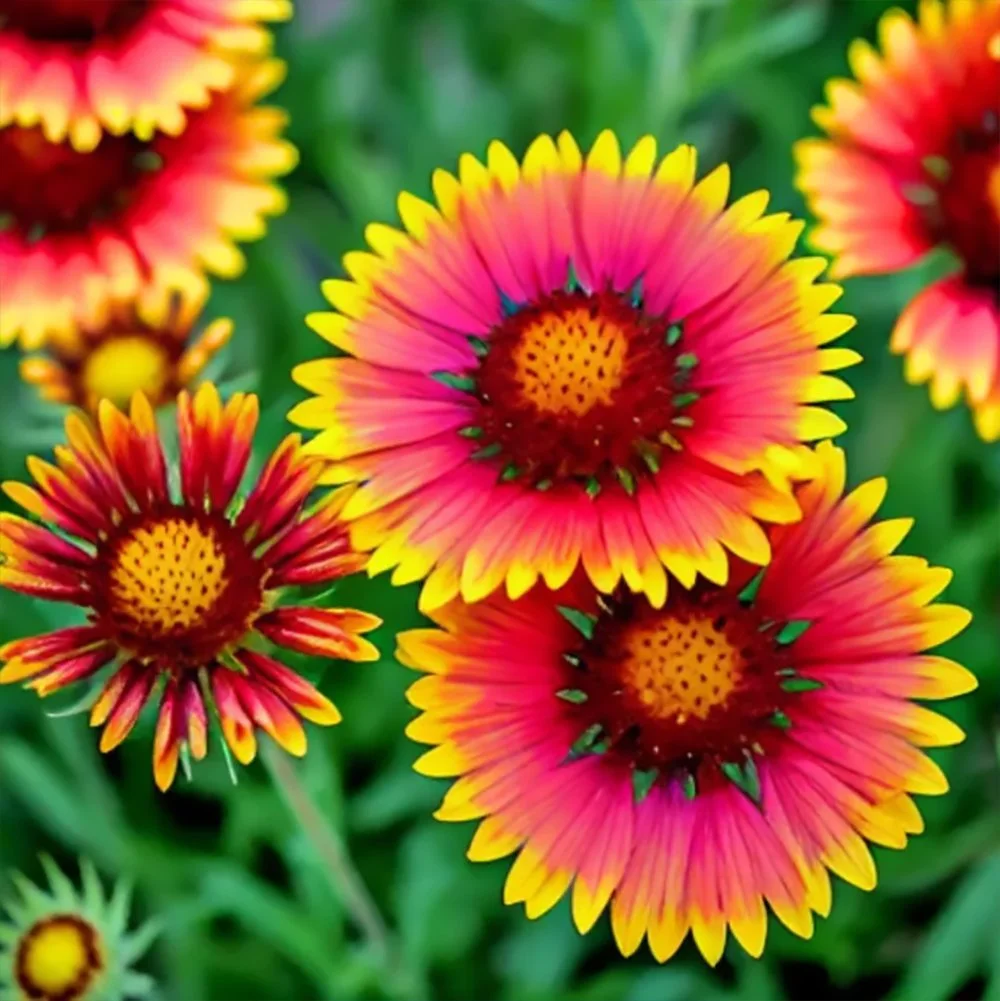
  1. Blanket Flower (Gaillardia aristata) — A rugged western perennial with striking red-and-yellow daisy-like flowers that provides a long season of color and thrives in sunny, relatively dry high-desert conditions.

  2. Blue Flax (Linum lewisii) — A graceful, cold-hardy western perennial with delicate sky-blue flowers that thrives in sunny, well-drained grasslands, foothills, and open woodland habitats.

  3. Firecracker Penstemon (Penstemon eatonii) — A striking native perennial with brilliant scarlet-red tubular flowers that attract hummingbirds and perform well in rocky foothills and pinyon-juniper country.

  4. Pale Evening Primrose (Oenothera pallida) — A graceful western perennial with large white to pale-pink flowers that open toward evening, adding light color while providing resources for moths and other nighttime pollinators.

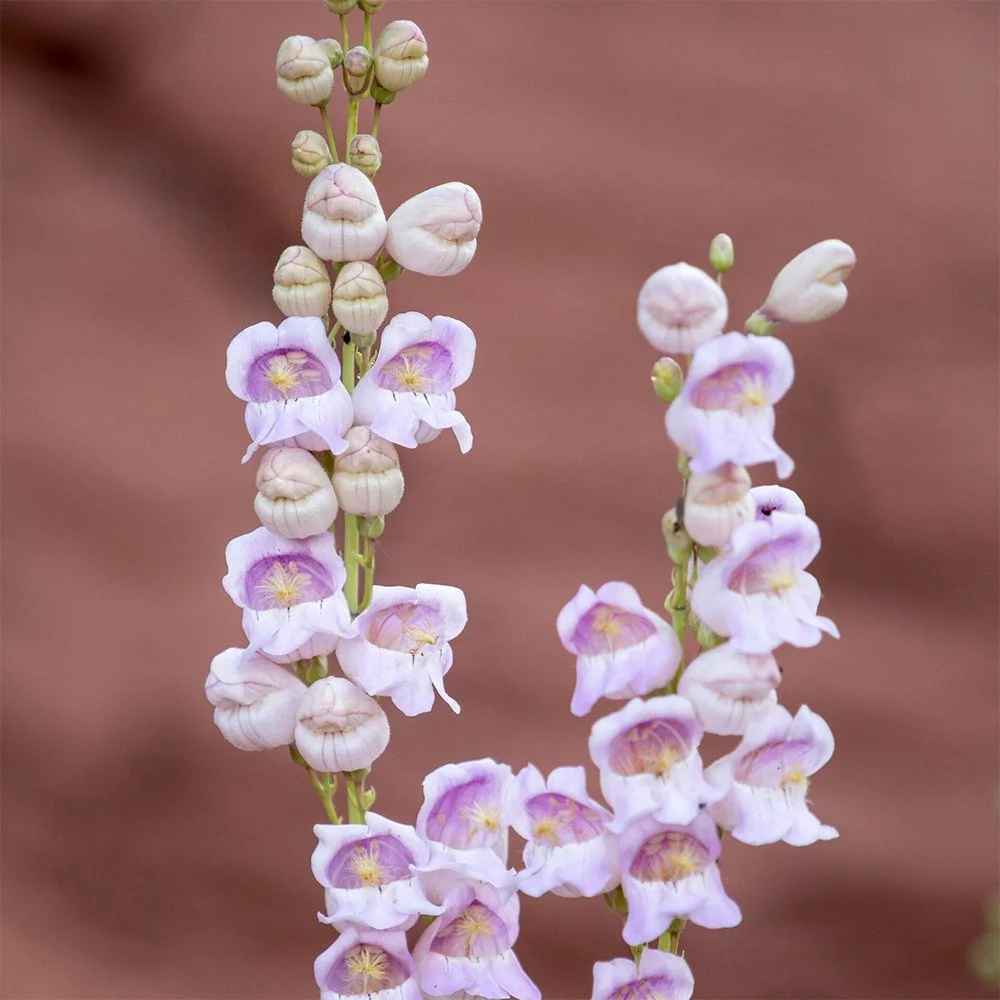
  5. Palmer’s Penstemon (Penstemon palmeri) — A tall, drought-tolerant western perennial with large, fragrant pale-pink flowers that performs especially well in rocky, gravelly foothill soils.

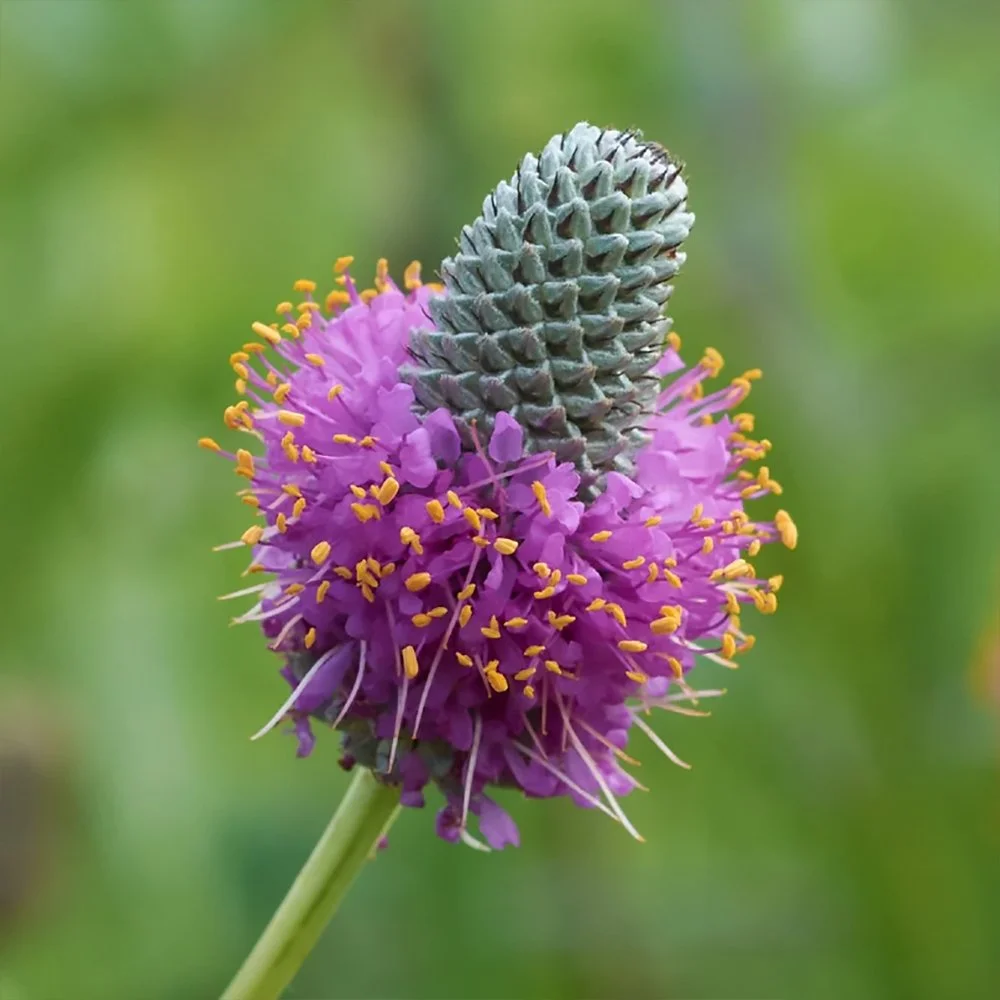
  6. Purple Prairie Clover (Dalea purpurea) — A drought-tolerant perennial with slender spikes of vivid purple flowers that attract native bees and butterflies and add a distinctive vertical form to the mix.

  7. Rocky Mountain Beeplant (Cleome serrulata, syn. Peritoma serrulata) — A fast-growing western annual with airy clusters of pink to purple flowers that attract bees, butterflies, and hummingbirds and thrive in sunny high-desert and foothill habitats.

  8. Western Yarrow (Achillea millefolium var. occidentalis) — A hardy western perennial with finely divided, fern-like foliage and broad clusters of small white to pale-pink flowers. It grows readily in sunny meadows, grasslands, open woodlands, and rocky soils and attracts a wide variety of beneficial pollinators.

Tips for Planting Wildflower Seeds in this Region:

  • Plant in late fall through winter: Sowing during the colder months allows seeds to experience natural temperature fluctuations, winter moisture, and, for some species, cold stratification.

  • Choose a sunny location: Most native wildflowers thrive with 6–8 hours of direct sunlight, although some woodland or riparian species prefer partial shade.

  • Work with your native soil: Avoid heavily enriching the soil. Many high-desert wildflowers are adapted to rocky, sandy, alkaline, or low-organic-matter soils.

  • Remove competing vegetation: Clear existing weeds and grasses before sowing so young seedlings have access to sunlight, moisture, and nutrients.

  • Scatter seeds evenly: Mix very small seeds with dry sand or fine soil to make them easier to distribute evenly across the planting area.

  • Press, don't bury: Gently press seeds into the soil for good seed-to-soil contact, but avoid deep planting—many native wildflower seeds need to remain near the surface.

  • Use natural winter moisture: Snow, rain, and seasonal precipitation can provide the moisture needed to initiate germination as temperatures begin to rise.

  • Expect variable germination: Native species have different dormancy requirements, so some may emerge quickly while others take several months or even more than one growing season.

  • Watch spring conditions: Spring can bring rapid shifts from cool, moist weather to hot, dry, windy conditions, so newly emerging seedlings should not be allowed to remain completely dry for extended periods.

  • Give plants room to establish: Avoid dense seeding or frequent disturbance; established native plants generally become more resilient to the region's heat and drought.

  • Match species to elevation: This is a broad transition region, so select wildflowers appropriate for your specific elevation, winter temperatures, soil type, and moisture conditions.

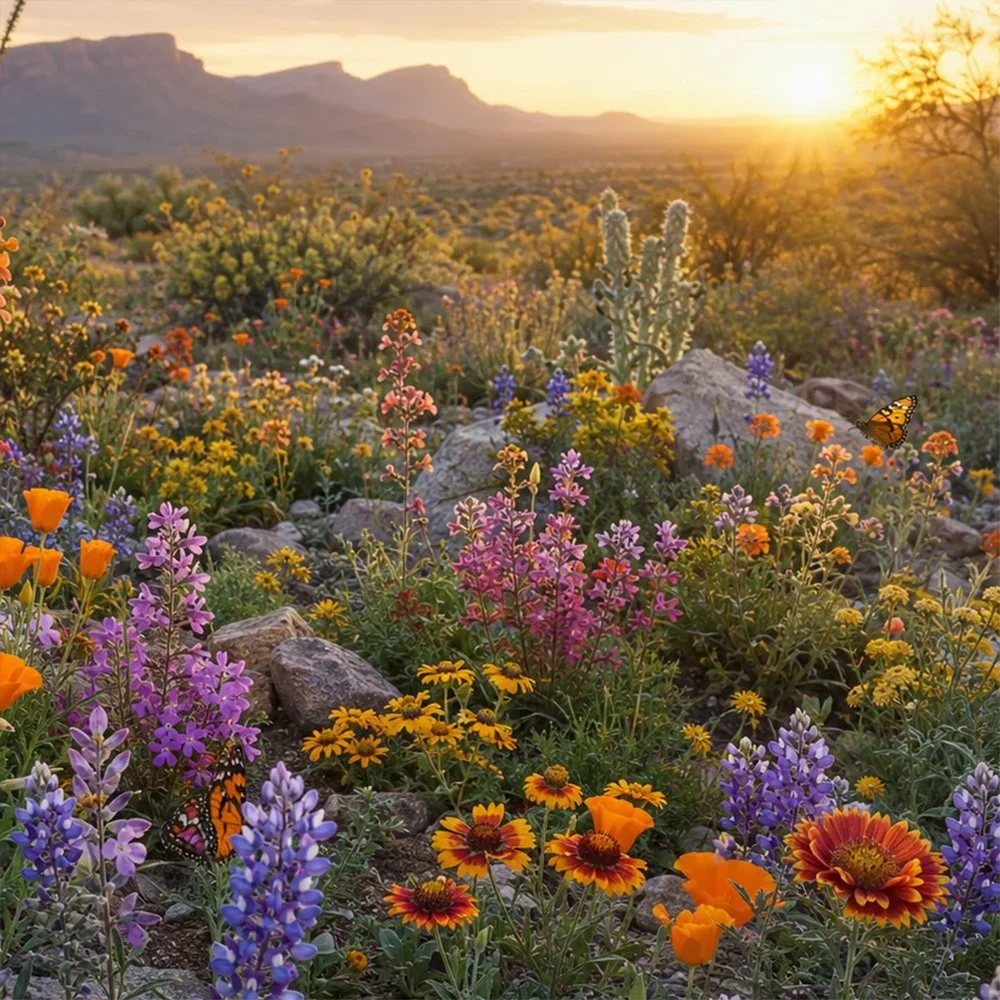
At Desert Roots Nursery, we’re here to help you choose plants and seeds that are suited to your corner of the Southwest—so you can spend less time fighting the climate and more time enjoying the blooms.

The climate in this region is characterized by hot, dry summers and cold winters with greater temperature swings, seasonal winter precipitation or snow, and a shorter growing season than the low desert.

This seed mix contains over 29,000 seeds (1/10 oz.) and includes the following wildflowers suited specifically to this region:

  1. Blanket Flower (Gaillardia aristata) — A rugged western perennial with striking red-and-yellow daisy-like flowers that provides a long season of color and thrives in sunny, relatively dry high-desert conditions.

  2. Blue Flax (Linum lewisii) — A graceful, cold-hardy western perennial with delicate sky-blue flowers that thrives in sunny, well-drained grasslands, foothills, and open woodland habitats.

  3. Firecracker Penstemon (Penstemon eatonii) — A striking native perennial with brilliant scarlet-red tubular flowers that attract hummingbirds and perform well in rocky foothills and pinyon-juniper country.

  4. Pale Evening Primrose (Oenothera pallida) — A graceful western perennial with large white to pale-pink flowers that open toward evening, adding light color while providing resources for moths and other nighttime pollinators.

  5. Palmer’s Penstemon (Penstemon palmeri) — A tall, drought-tolerant western perennial with large, fragrant pale-pink flowers that performs especially well in rocky, gravelly foothill soils.

  6. Purple Prairie Clover (Dalea purpurea) — A drought-tolerant perennial with slender spikes of vivid purple flowers that attract native bees and butterflies and add a distinctive vertical form to the mix.

  7. Rocky Mountain Beeplant (Cleome serrulata, syn. Peritoma serrulata) — A fast-growing western annual with airy clusters of pink to purple flowers that attract bees, butterflies, and hummingbirds and thrive in sunny high-desert and foothill habitats.

  8. Western Yarrow (Achillea millefolium var. occidentalis) — A hardy western perennial with finely divided, fern-like foliage and broad clusters of small white to pale-pink flowers. It grows readily in sunny meadows, grasslands, open woodlands, and rocky soils and attracts a wide variety of beneficial pollinators.

Tips for Planting Wildflower Seeds in this Region:

  • Plant in late fall through winter: Sowing during the colder months allows seeds to experience natural temperature fluctuations, winter moisture, and, for some species, cold stratification.

  • Choose a sunny location: Most native wildflowers thrive with 6–8 hours of direct sunlight, although some woodland or riparian species prefer partial shade.

  • Work with your native soil: Avoid heavily enriching the soil. Many high-desert wildflowers are adapted to rocky, sandy, alkaline, or low-organic-matter soils.

  • Remove competing vegetation: Clear existing weeds and grasses before sowing so young seedlings have access to sunlight, moisture, and nutrients.

  • Scatter seeds evenly: Mix very small seeds with dry sand or fine soil to make them easier to distribute evenly across the planting area.

  • Press, don't bury: Gently press seeds into the soil for good seed-to-soil contact, but avoid deep planting—many native wildflower seeds need to remain near the surface.

  • Use natural winter moisture: Snow, rain, and seasonal precipitation can provide the moisture needed to initiate germination as temperatures begin to rise.

  • Expect variable germination: Native species have different dormancy requirements, so some may emerge quickly while others take several months or even more than one growing season.

  • Watch spring conditions: Spring can bring rapid shifts from cool, moist weather to hot, dry, windy conditions, so newly emerging seedlings should not be allowed to remain completely dry for extended periods.

  • Give plants room to establish: Avoid dense seeding or frequent disturbance; established native plants generally become more resilient to the region's heat and drought.

  • Match species to elevation: This is a broad transition region, so select wildflowers appropriate for your specific elevation, winter temperatures, soil type, and moisture conditions.

At Desert Roots Nursery, we’re here to help you choose plants and seeds that are suited to your corner of the Southwest—so you can spend less time fighting the climate and more time enjoying the blooms.