Wildflower Seed Mix – Southwest Region 1: Low Desert Basins (USDA Zones 8b–11a)

$4.98

The climate in this region is characterized by extremely hot summers, mild winters with occasional frost, and two seasonal rainfall periods—winter rain and summer monsoons. Soils are often alkaline, sandy, or heavy caliche clay.

This seed mix contains over 28,000 seeds (1/10 oz.) and includes the following wildflowers suited specifically to this region:

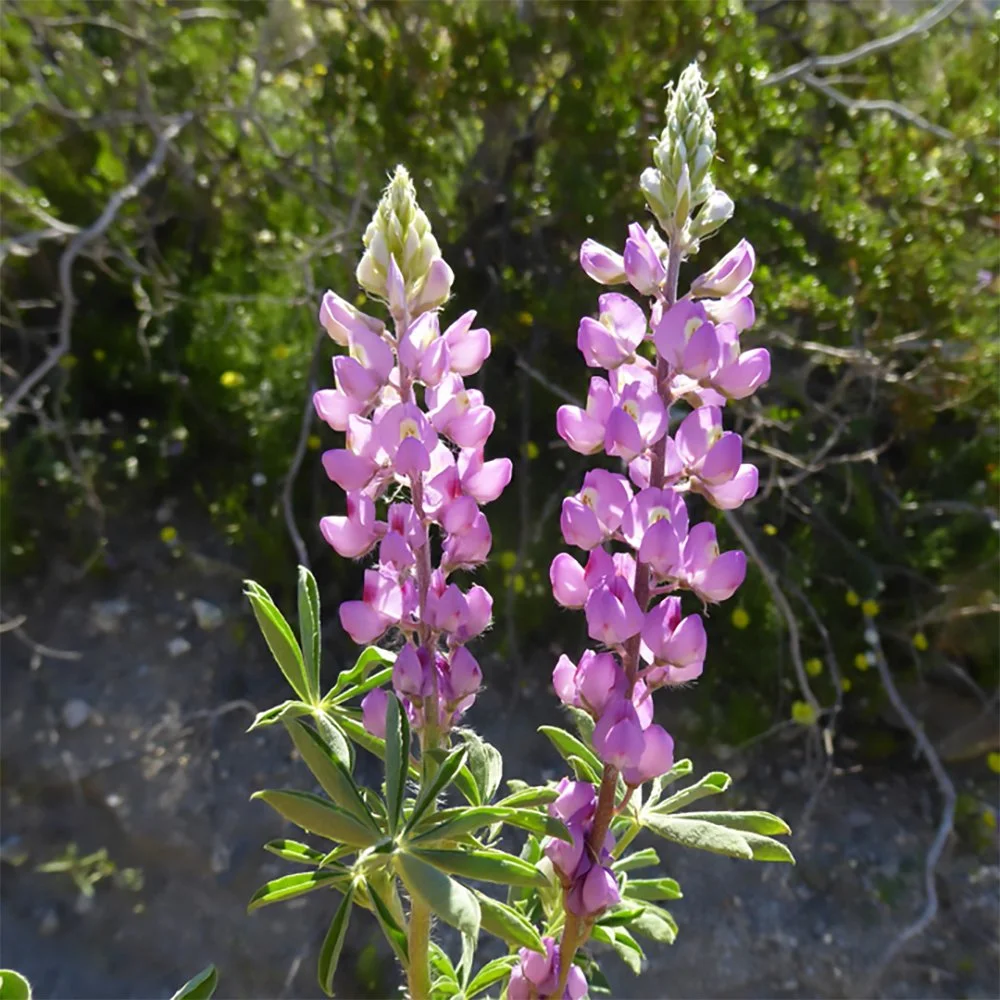
  1. Arizona Lupine (Lupinus arizonicus) — A classic Sonoran Desert annual with brilliant blue-purple flower spikes that can create spectacular displays following good winter rains.

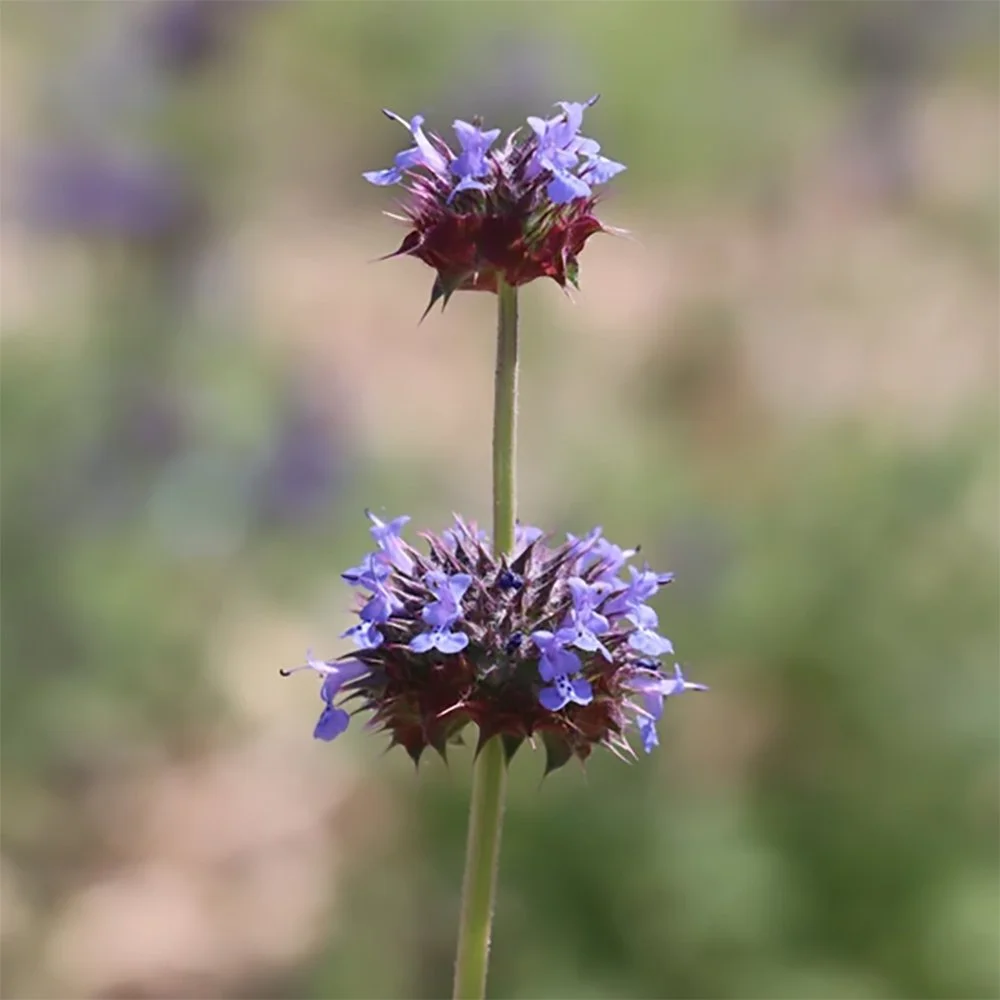
  2. Chia (Salvia columbariae) — A heat- and drought-adapted annual with distinctive rounded clusters of deep blue to purple flowers that provide valuable nectar for native pollinators.

  3. Desert Bluebells (Phacelia campanularia) — A compact desert annual with intensely blue, bell-shaped flowers that create brilliant spring color and attract bees and other pollinators.

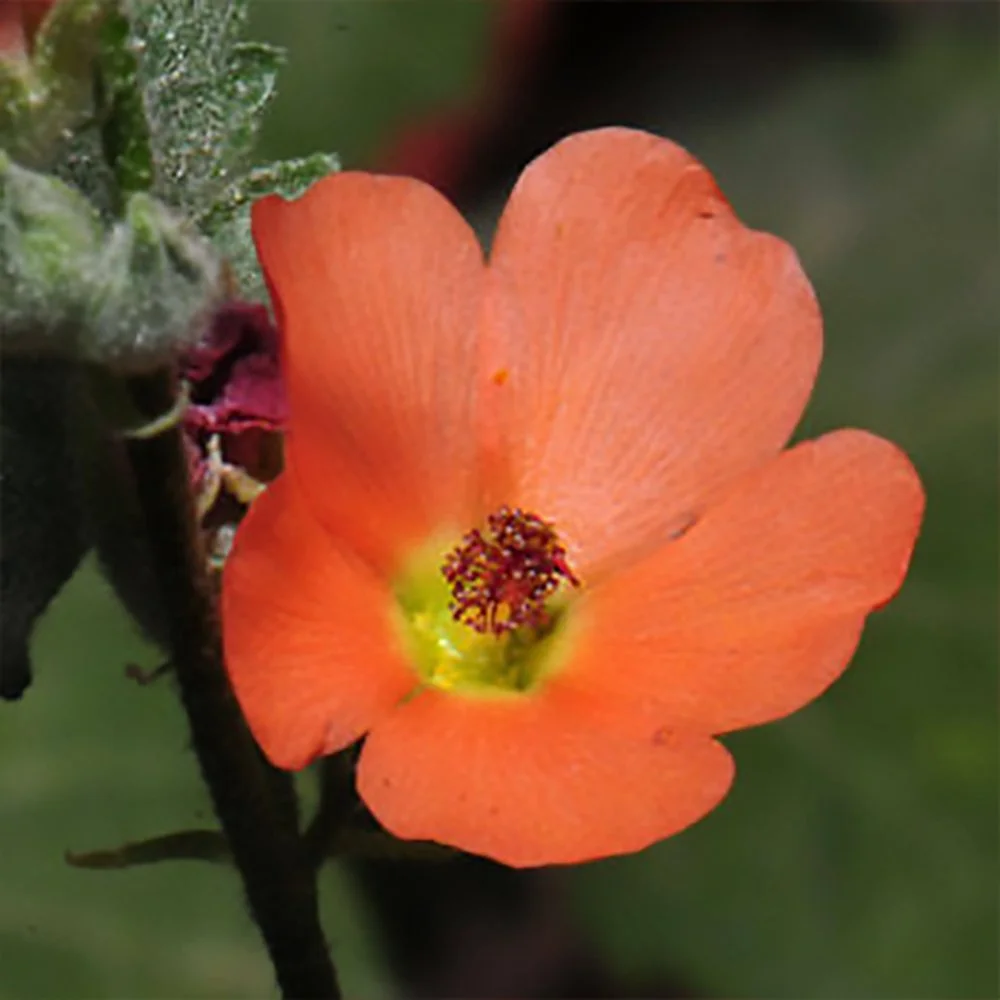
  4. Desert Globemallow (Sphaeralcea ambigua) — A long-lived, drought-tolerant perennial with silvery foliage and apricot-orange flowers that can bloom repeatedly during favorable weather.

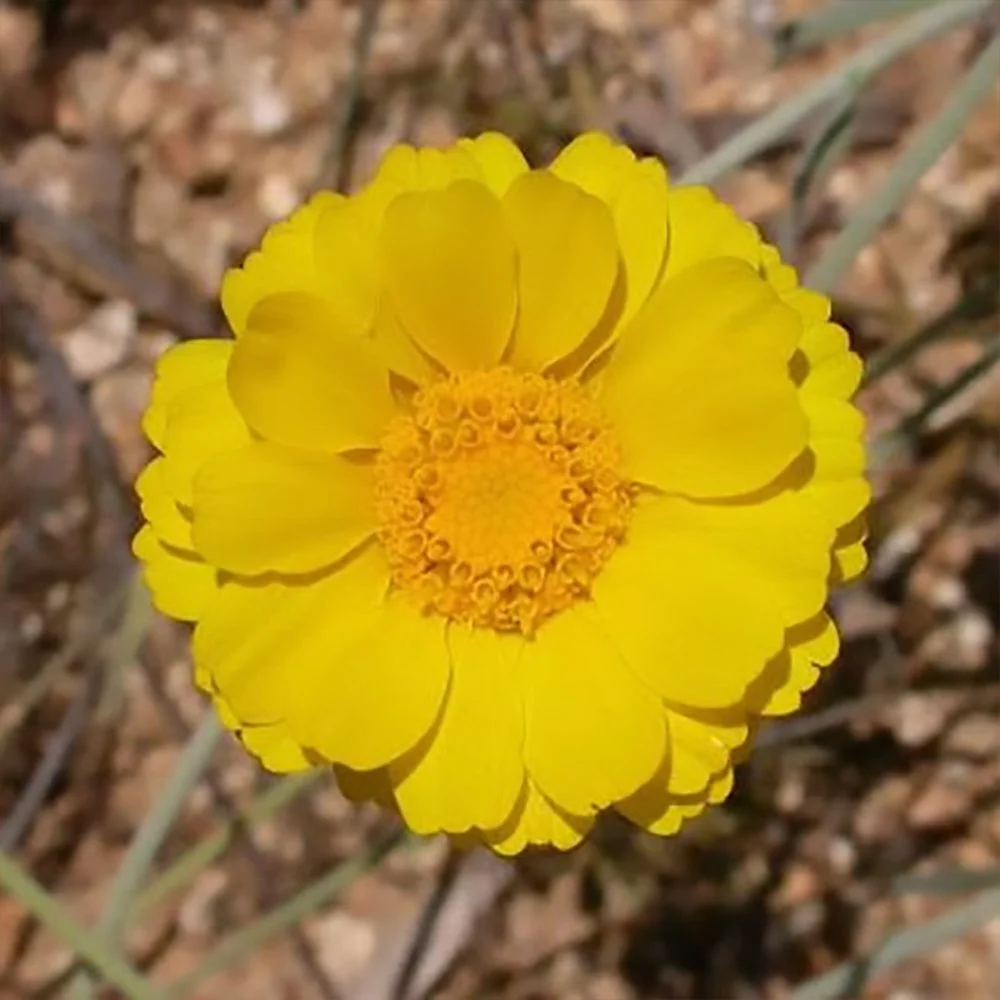
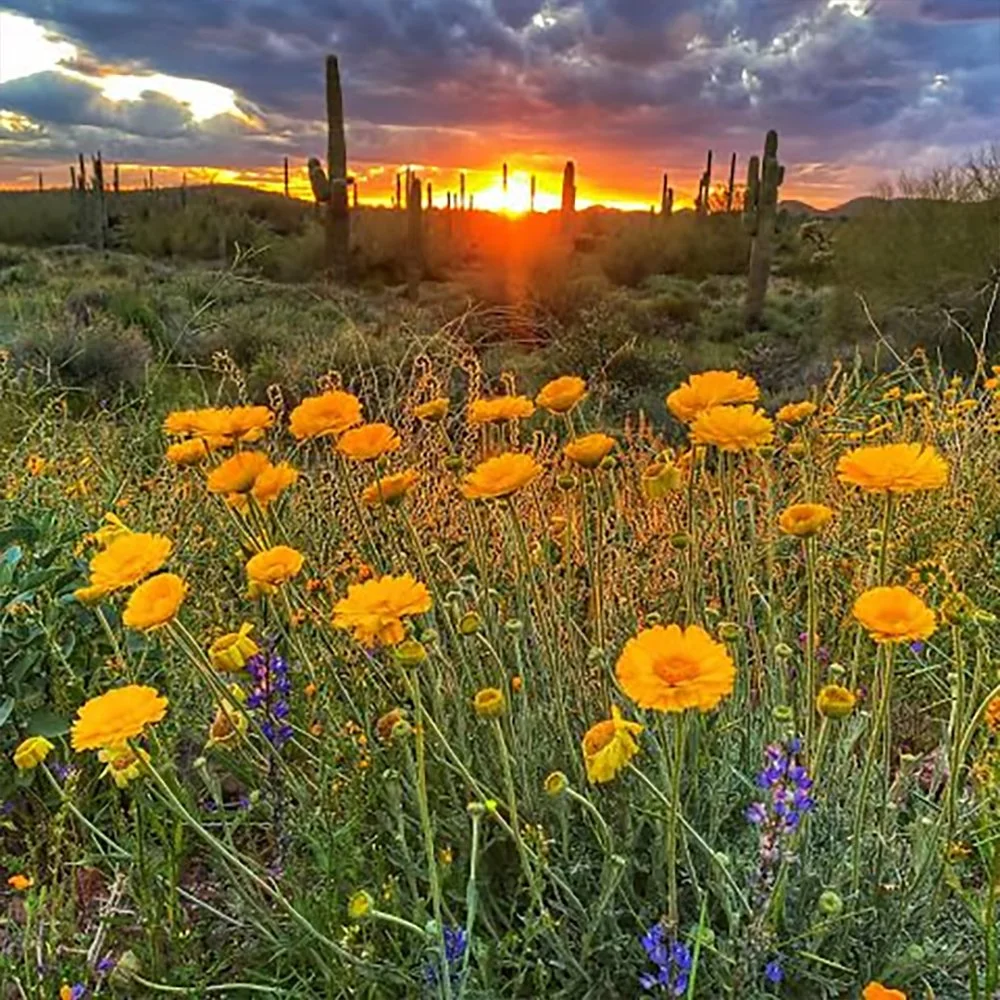
  5. Desert Marigold (Baileya multiradiata) — A tough desert perennial with silvery foliage and bright yellow, daisy-like flowers that tolerates intense heat, drought, and poor soils.

  6. Firewheel / Indian Blanket (Gaillardia pulchella) — A colorful native wildflower with striking red-and-yellow daisy-like blooms that thrives in full sun and attracts bees, butterflies, and other pollinators.

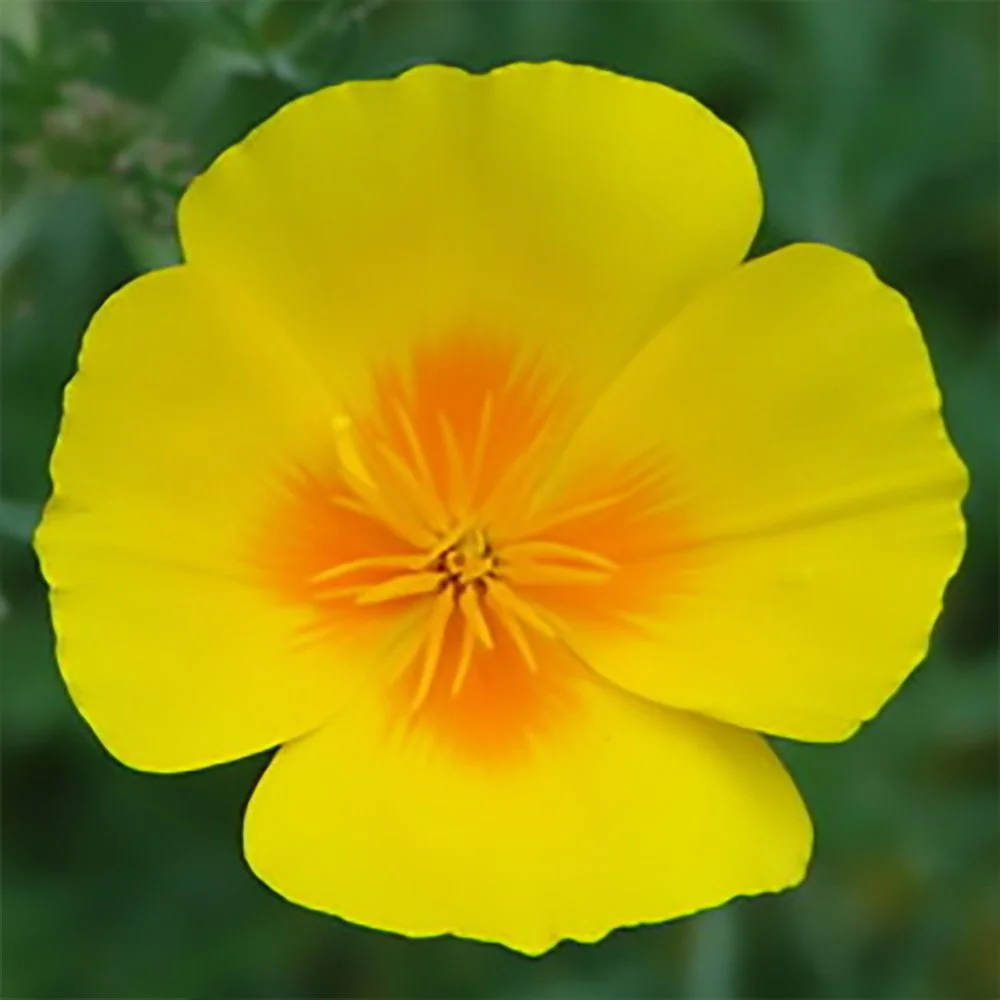
  7. Mexican Gold Poppy (Eschscholzia californica ssp. mexicana) — One of the Southwest’s signature spring wildflowers, producing brilliant golden-orange blooms that can blanket desert landscapes following favorable winter rainfall.

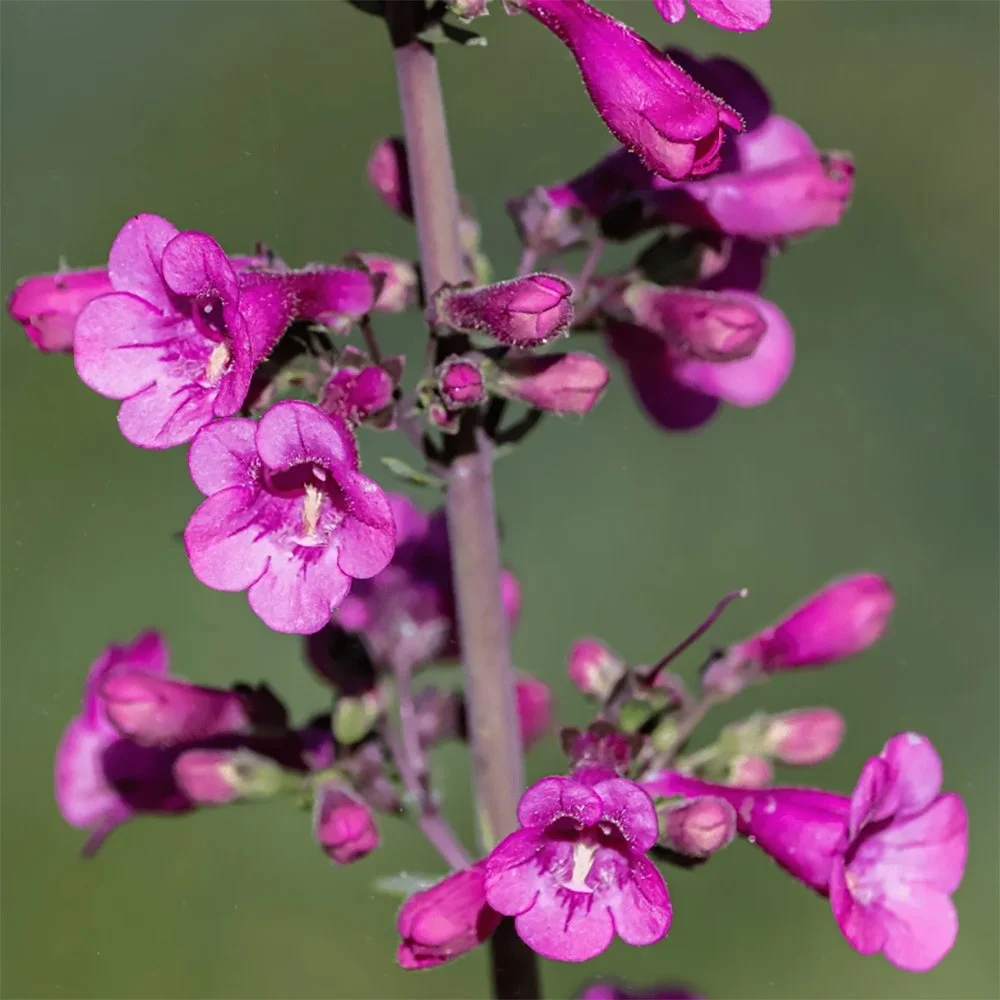
  8. Parry’s Penstemon (Penstemon parryi) — A striking Sonoran Desert perennial with tall spikes of vivid pink flowers that provide an important early-season nectar source for hummingbirds.

Tips for Planting Wildflower Seeds in this Region:

  • Plant in fall: Late fall is generally the ideal season for desert wildflowers, allowing seeds to take advantage of cooler temperatures and winter moisture before the intense summer heat arrives.

  • Choose full sun: Select an area receiving 6–8 hours of direct sunlight. Desert wildflowers are generally adapted to strong sunlight and can struggle in heavily shaded locations.

  • Prepare the soil lightly: Remove weeds and loosen the surface without heavily amending the soil. Many desert natives are adapted to sandy, rocky, alkaline, or caliche soils and do not require rich garden soil.

  • Clear competing vegetation: Remove existing weeds and grasses before sowing, particularly aggressive annuals that can compete with seedlings for limited moisture and nutrients.

  • Scatter seeds over the surface: Mix small seeds with sand or fine soil to help distribute them evenly over the planting area.

  • Do not bury seeds deeply: Most desert wildflower seeds should remain close to the soil surface. Gently press or rake them into the soil to provide good seed-to-soil contact without covering them deeply.

  • Take advantage of winter conditions: Cool temperatures, winter rainfall, and natural fluctuations between wet and dry conditions help many desert-adapted species germinate and establish.

  • Protect the seedbed: Avoid heavy foot traffic or disturbing the soil after sowing, particularly once seedlings begin emerging.

  • Watch for rapid warming: Low-desert temperatures can rise quickly in late winter and spring. Young seedlings may have only a short window to develop before extreme heat and increasing evaporation arrive.

  • Expect different germination rates: Native wildflowers do not necessarily emerge at the same time. Some species may germinate quickly, while others remain dormant until environmental conditions are favorable.

  • Avoid overwatering: Desert wildflowers are adapted to seasonal moisture followed by drying conditions. Excessive irrigation can encourage weak, overly lush growth and increase the risk of disease or root problems.

  • Choose locally adapted species: Whenever possible, select wildflowers native to your specific desert, elevation, soil type, and rainfall pattern. A species that performs well in one low-desert location may not be equally suited to another.

At Desert Roots Nursery, we’re here to help you choose plants and seeds that are suited to your corner of the Southwest—so you can spend less time fighting the climate and more time enjoying the blooms.

The climate in this region is characterized by extremely hot summers, mild winters with occasional frost, and two seasonal rainfall periods—winter rain and summer monsoons. Soils are often alkaline, sandy, or heavy caliche clay.

This seed mix contains over 28,000 seeds (1/10 oz.) and includes the following wildflowers suited specifically to this region:

  1. Arizona Lupine (Lupinus arizonicus) — A classic Sonoran Desert annual with brilliant blue-purple flower spikes that can create spectacular displays following good winter rains.

  2. Chia (Salvia columbariae) — A heat- and drought-adapted annual with distinctive rounded clusters of deep blue to purple flowers that provide valuable nectar for native pollinators.

  3. Desert Bluebells (Phacelia campanularia) — A compact desert annual with intensely blue, bell-shaped flowers that create brilliant spring color and attract bees and other pollinators.

  4. Desert Globemallow (Sphaeralcea ambigua) — A long-lived, drought-tolerant perennial with silvery foliage and apricot-orange flowers that can bloom repeatedly during favorable weather.

  5. Desert Marigold (Baileya multiradiata) — A tough desert perennial with silvery foliage and bright yellow, daisy-like flowers that tolerates intense heat, drought, and poor soils.

  6. Firewheel / Indian Blanket (Gaillardia pulchella) — A colorful native wildflower with striking red-and-yellow daisy-like blooms that thrives in full sun and attracts bees, butterflies, and other pollinators.

  7. Mexican Gold Poppy (Eschscholzia californica ssp. mexicana) — One of the Southwest’s signature spring wildflowers, producing brilliant golden-orange blooms that can blanket desert landscapes following favorable winter rainfall.

  8. Parry’s Penstemon (Penstemon parryi) — A striking Sonoran Desert perennial with tall spikes of vivid pink flowers that provide an important early-season nectar source for hummingbirds.

Tips for Planting Wildflower Seeds in this Region:

  • Plant in fall: Late fall is generally the ideal season for desert wildflowers, allowing seeds to take advantage of cooler temperatures and winter moisture before the intense summer heat arrives.

  • Choose full sun: Select an area receiving 6–8 hours of direct sunlight. Desert wildflowers are generally adapted to strong sunlight and can struggle in heavily shaded locations.

  • Prepare the soil lightly: Remove weeds and loosen the surface without heavily amending the soil. Many desert natives are adapted to sandy, rocky, alkaline, or caliche soils and do not require rich garden soil.

  • Clear competing vegetation: Remove existing weeds and grasses before sowing, particularly aggressive annuals that can compete with seedlings for limited moisture and nutrients.

  • Scatter seeds over the surface: Mix small seeds with sand or fine soil to help distribute them evenly over the planting area.

  • Do not bury seeds deeply: Most desert wildflower seeds should remain close to the soil surface. Gently press or rake them into the soil to provide good seed-to-soil contact without covering them deeply.

  • Take advantage of winter conditions: Cool temperatures, winter rainfall, and natural fluctuations between wet and dry conditions help many desert-adapted species germinate and establish.

  • Protect the seedbed: Avoid heavy foot traffic or disturbing the soil after sowing, particularly once seedlings begin emerging.

  • Watch for rapid warming: Low-desert temperatures can rise quickly in late winter and spring. Young seedlings may have only a short window to develop before extreme heat and increasing evaporation arrive.

  • Expect different germination rates: Native wildflowers do not necessarily emerge at the same time. Some species may germinate quickly, while others remain dormant until environmental conditions are favorable.

  • Avoid overwatering: Desert wildflowers are adapted to seasonal moisture followed by drying conditions. Excessive irrigation can encourage weak, overly lush growth and increase the risk of disease or root problems.

  • Choose locally adapted species: Whenever possible, select wildflowers native to your specific desert, elevation, soil type, and rainfall pattern. A species that performs well in one low-desert location may not be equally suited to another.

At Desert Roots Nursery, we’re here to help you choose plants and seeds that are suited to your corner of the Southwest—so you can spend less time fighting the climate and more time enjoying the blooms.