
 Image 1 of 2
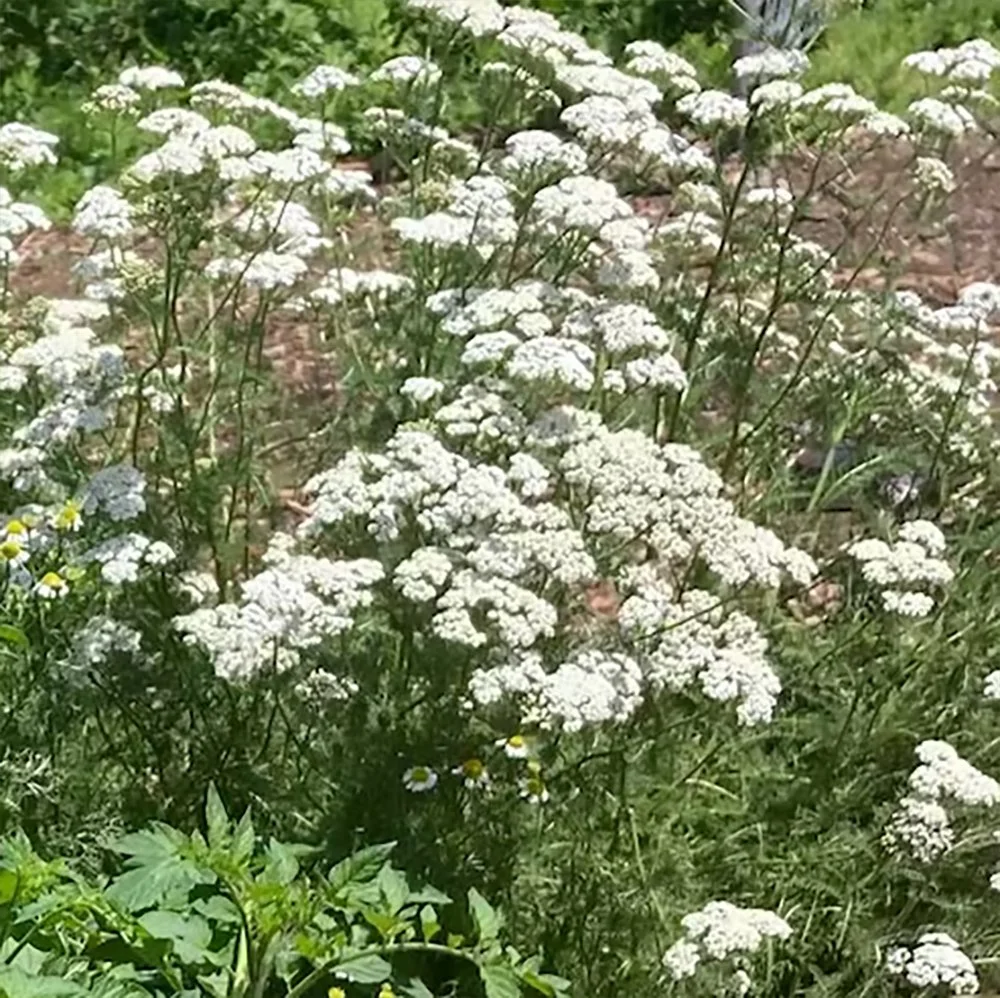 Image 2 of 2
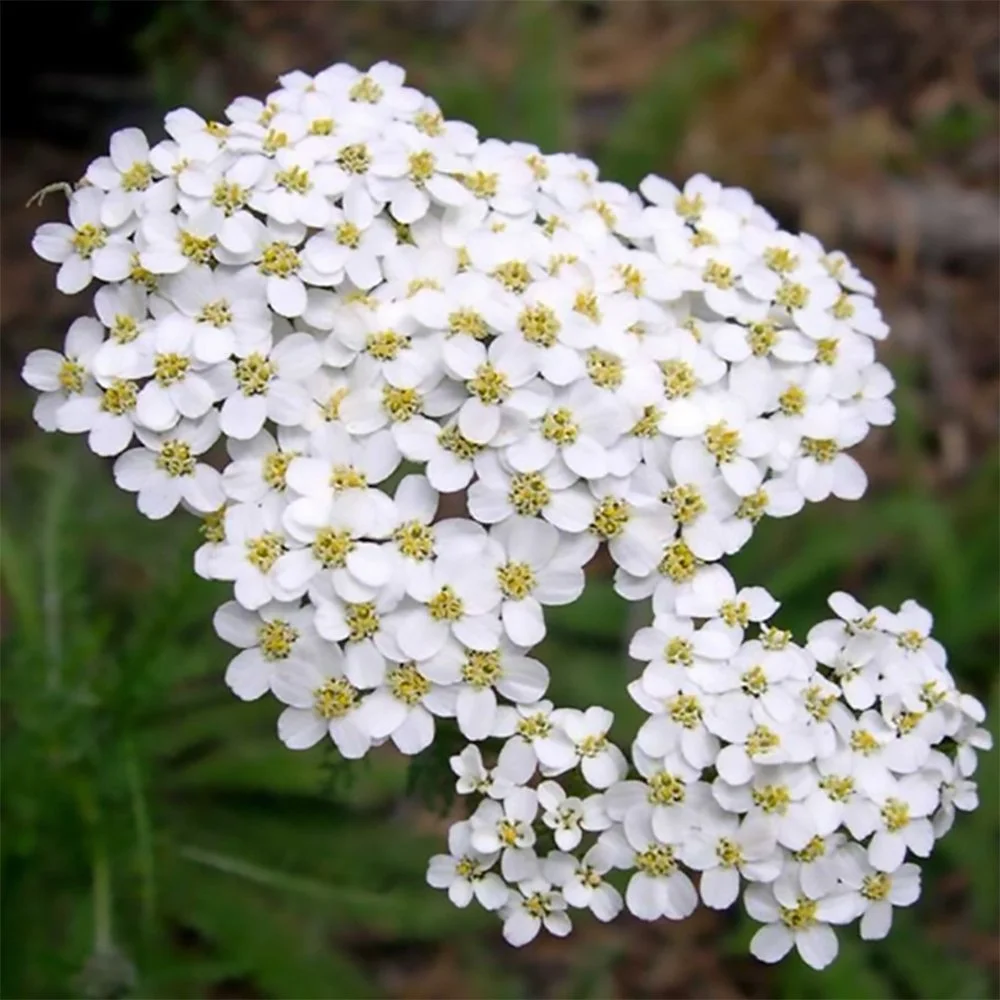
Achillea millefolium var. occidentalis, commonly known as Western Yarrow or Western Common Yarrow, is a hardy perennial wildflower native to much of western North America. It forms spreading clumps of finely divided, aromatic, fern-like gray-green foliage, typically reaching 12–36 inches tall and 12–24 inches wide. Flat-topped clusters of small white to creamy-white flowers bloom from late spring through summer, attracting native bees, butterflies, hoverflies, and other beneficial insects. Its long blooming season and naturalistic appearance make it an excellent addition to pollinator gardens, wildflower meadows, and water-wise landscapes.
Western Yarrow thrives in full sun to light shade and well-draining soil. Once established, it tolerates drought, poor soils, and summer temperatures around 90–100°F, although supplemental water and afternoon shade can be beneficial during prolonged extreme heat. Generally suitable for USDA Zones 3–9, it tolerates winter temperatures near −30°F when established in well-drained soil. Avoid excessive fertilizer and consistently wet conditions. Plants spread gradually by rhizomes and may self-seed, forming attractive naturalized colonies.
Sow seeds outdoors in fall or spring, pressing them gently onto prepared soil without burying them deeply, as light can improve germination. Keep the seedbed consistently moist but not waterlogged until seedlings establish. Fall sowing allows seeds to experience natural seasonal conditions, while spring sowing can also be successful. Germination may be improved by a short period of cold, moist stratification, depending on seed source.
THIS LISTING IS FOR A PACK OF APPROX. 17,500 SEEDS (1/10 OZ.)
Achillea millefolium var. occidentalis, commonly known as Western Yarrow or Western Common Yarrow, is a hardy perennial wildflower native to much of western North America. It forms spreading clumps of finely divided, aromatic, fern-like gray-green foliage, typically reaching 12–36 inches tall and 12–24 inches wide. Flat-topped clusters of small white to creamy-white flowers bloom from late spring through summer, attracting native bees, butterflies, hoverflies, and other beneficial insects. Its long blooming season and naturalistic appearance make it an excellent addition to pollinator gardens, wildflower meadows, and water-wise landscapes.
Western Yarrow thrives in full sun to light shade and well-draining soil. Once established, it tolerates drought, poor soils, and summer temperatures around 90–100°F, although supplemental water and afternoon shade can be beneficial during prolonged extreme heat. Generally suitable for USDA Zones 3–9, it tolerates winter temperatures near −30°F when established in well-drained soil. Avoid excessive fertilizer and consistently wet conditions. Plants spread gradually by rhizomes and may self-seed, forming attractive naturalized colonies.
Sow seeds outdoors in fall or spring, pressing them gently onto prepared soil without burying them deeply, as light can improve germination. Keep the seedbed consistently moist but not waterlogged until seedlings establish. Fall sowing allows seeds to experience natural seasonal conditions, while spring sowing can also be successful. Germination may be improved by a short period of cold, moist stratification, depending on seed source.
THIS LISTING IS FOR A PACK OF APPROX. 17,500 SEEDS (1/10 OZ.)