Montane & High Plateau Wildflower Seed Mix – Region 3
Bring the natural beauty of mountain meadows to your garden with our Montane & High Plateau Wildflower Seed Mix. Specially selected for the colder, higher-elevation landscapes of the American Southwest, this collection features eight colorful wildflower species adapted to cold winters, short growing seasons, and seasonal mountain moisture. Ideal for USDA Zones 4b–5b, the mix offers a succession of blooms that attract native bees, butterflies, hummingbirds, and other beneficial pollinators.
The climate in this region is characterized by cold, snowy winters, cool summers, late spring frosts, large day-to-night temperature swings, and a relatively short growing season. Fall sowing allows seeds to experience natural winter conditions, encouraging germination when temperatures warm in spring.
Each 1/10 oz. packet contains an estimated 39,000+ seeds, featuring the following eight wildflowers:
Arrowleaf Balsamroot (Balsamorhiza sagittata) — A hardy mountain perennial with large, golden-yellow sunflower-like blooms and silvery-green, arrow-shaped leaves. Thrives on sunny slopes and well-drained upland soils.
Aspen Fleabane / Showy Fleabane (Erigeron speciosus) — A colorful perennial producing lavender-blue, yellow-centered flowers that attract native bees, butterflies, and other pollinators.
Black-Eyed Susan (Rudbeckia hirta) — A cheerful wildflower with golden-yellow petals and prominent dark centers. Its summer blooms attract bees, butterflies, and beneficial insects.
Colorado Blue Columbine (Aquilegia coerulea) — A Rocky Mountain perennial with distinctive blue-violet and white flowers that provide nectar for hummingbirds and native pollinators. Prefers cooler sites with some moisture.
Rocky Mountain Penstemon (Penstemon strictus) — A western mountain perennial with upright spikes of deep blue to violet-purple tubular flowers that attract hummingbirds and native bees.
Silvery Lupine (Lupinus argenteus) — A hardy perennial with silvery-green foliage and upright spikes of blue to violet flowers. Well suited to open mountain meadows and rocky slopes.
Smooth Blue Aster (Symphyotrichum laeve) — A perennial producing lavender-blue flowers with golden centers. Its late-season blooms provide valuable nectar for pollinators.
Wild Bergamot (Monarda fistulosa) — An aromatic perennial with lavender-pink flower clusters that attract bees, butterflies, and hummingbirds.
Planting Your Mountain Wildflower Seeds
For best results, sow in late fall shortly before the ground freezes. Remove weeds and competing vegetation, then scatter seeds over lightly prepared soil. Press seeds into firm contact with the soil and cover only as needed for the individual species. Winter snow and natural freeze-thaw cycles help provide the cold, moist conditions required by some native wildflowers.
Choose a location with full sun to partial shade and soil that drains well. During spring germination, monitor moisture and provide supplemental water during unusually dry periods. Some species germinate slowly or may not flower until their second or later growing season.
Plant a mountain meadow of your own! This thoughtfully selected seed mix brings colorful native wildflowers, seasonal beauty, and valuable pollinator habitat to cooler, high-elevation gardens.
Montane & High Plateau Wildflower Seed Mix – Region 3
Bring the natural beauty of mountain meadows to your garden with our Montane & High Plateau Wildflower Seed Mix. Specially selected for the colder, higher-elevation landscapes of the American Southwest, this collection features eight colorful wildflower species adapted to cold winters, short growing seasons, and seasonal mountain moisture. Ideal for USDA Zones 4b–5b, the mix offers a succession of blooms that attract native bees, butterflies, hummingbirds, and other beneficial pollinators.
The climate in this region is characterized by cold, snowy winters, cool summers, late spring frosts, large day-to-night temperature swings, and a relatively short growing season. Fall sowing allows seeds to experience natural winter conditions, encouraging germination when temperatures warm in spring.
Each 1/10 oz. packet contains an estimated 39,000+ seeds, featuring the following eight wildflowers:
Arrowleaf Balsamroot (Balsamorhiza sagittata) — A hardy mountain perennial with large, golden-yellow sunflower-like blooms and silvery-green, arrow-shaped leaves. Thrives on sunny slopes and well-drained upland soils.
Aspen Fleabane / Showy Fleabane (Erigeron speciosus) — A colorful perennial producing lavender-blue, yellow-centered flowers that attract native bees, butterflies, and other pollinators.
Black-Eyed Susan (Rudbeckia hirta) — A cheerful wildflower with golden-yellow petals and prominent dark centers. Its summer blooms attract bees, butterflies, and beneficial insects.
Colorado Blue Columbine (Aquilegia coerulea) — A Rocky Mountain perennial with distinctive blue-violet and white flowers that provide nectar for hummingbirds and native pollinators. Prefers cooler sites with some moisture.
Rocky Mountain Penstemon (Penstemon strictus) — A western mountain perennial with upright spikes of deep blue to violet-purple tubular flowers that attract hummingbirds and native bees.
Silvery Lupine (Lupinus argenteus) — A hardy perennial with silvery-green foliage and upright spikes of blue to violet flowers. Well suited to open mountain meadows and rocky slopes.
Smooth Blue Aster (Symphyotrichum laeve) — A perennial producing lavender-blue flowers with golden centers. Its late-season blooms provide valuable nectar for pollinators.
Wild Bergamot (Monarda fistulosa) — An aromatic perennial with lavender-pink flower clusters that attract bees, butterflies, and hummingbirds.
Planting Your Mountain Wildflower Seeds
For best results, sow in late fall shortly before the ground freezes. Remove weeds and competing vegetation, then scatter seeds over lightly prepared soil. Press seeds into firm contact with the soil and cover only as needed for the individual species. Winter snow and natural freeze-thaw cycles help provide the cold, moist conditions required by some native wildflowers.
Choose a location with full sun to partial shade and soil that drains well. During spring germination, monitor moisture and provide supplemental water during unusually dry periods. Some species germinate slowly or may not flower until their second or later growing season.
Plant a mountain meadow of your own! This thoughtfully selected seed mix brings colorful native wildflowers, seasonal beauty, and valuable pollinator habitat to cooler, high-elevation gardens.

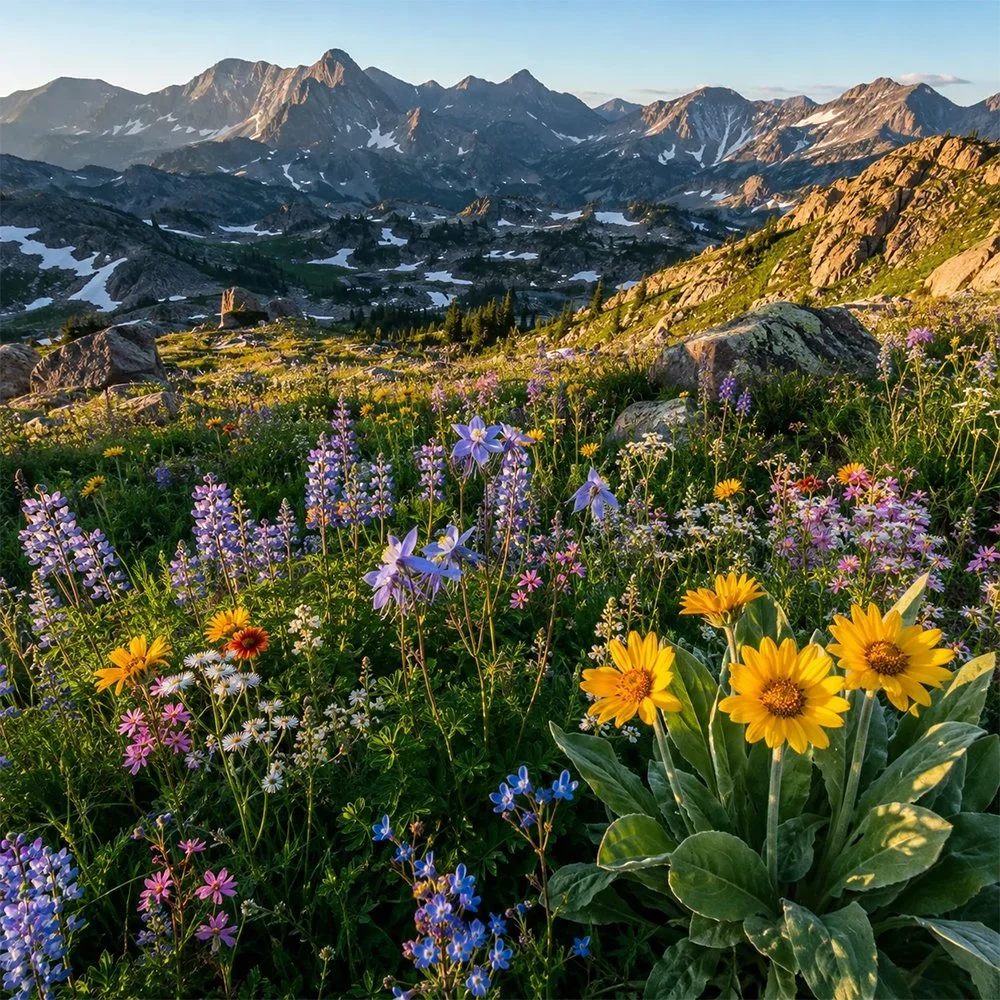 Image 1 of 8
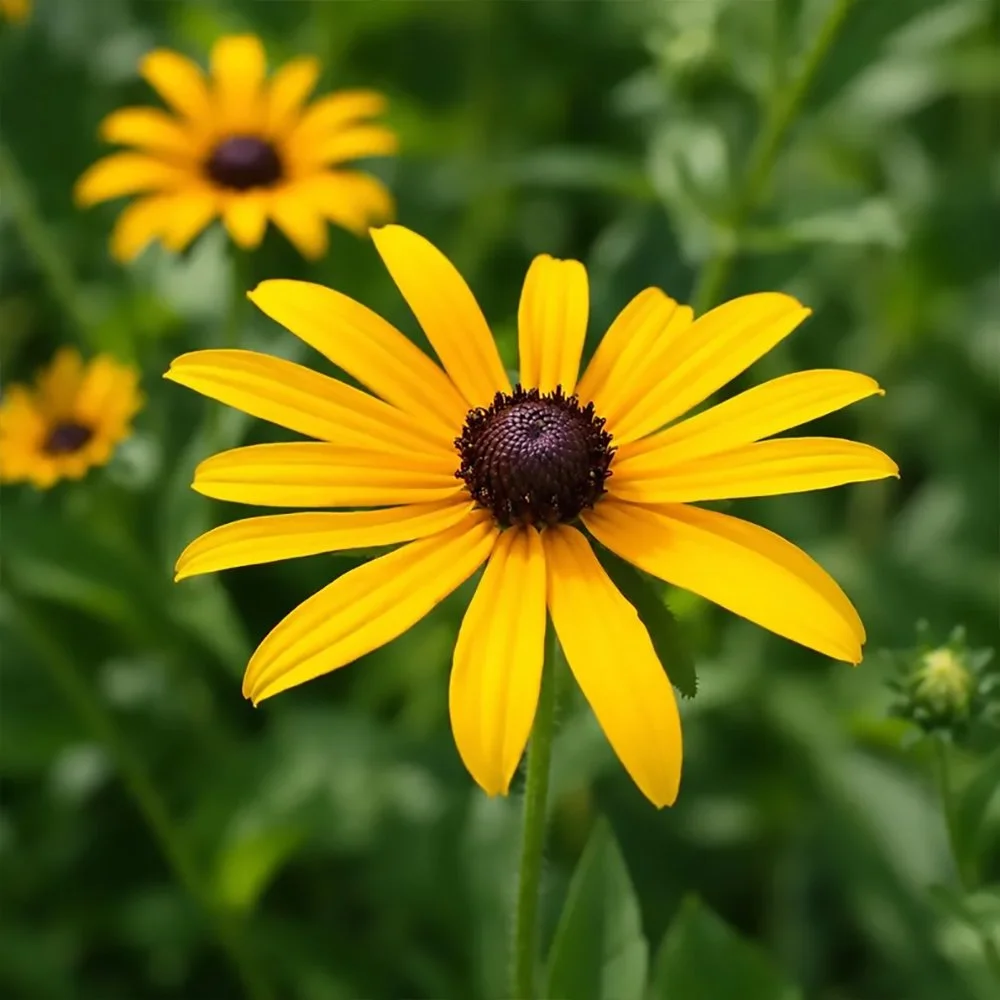 Image 2 of 8
 Image 3 of 8
 Image 4 of 8
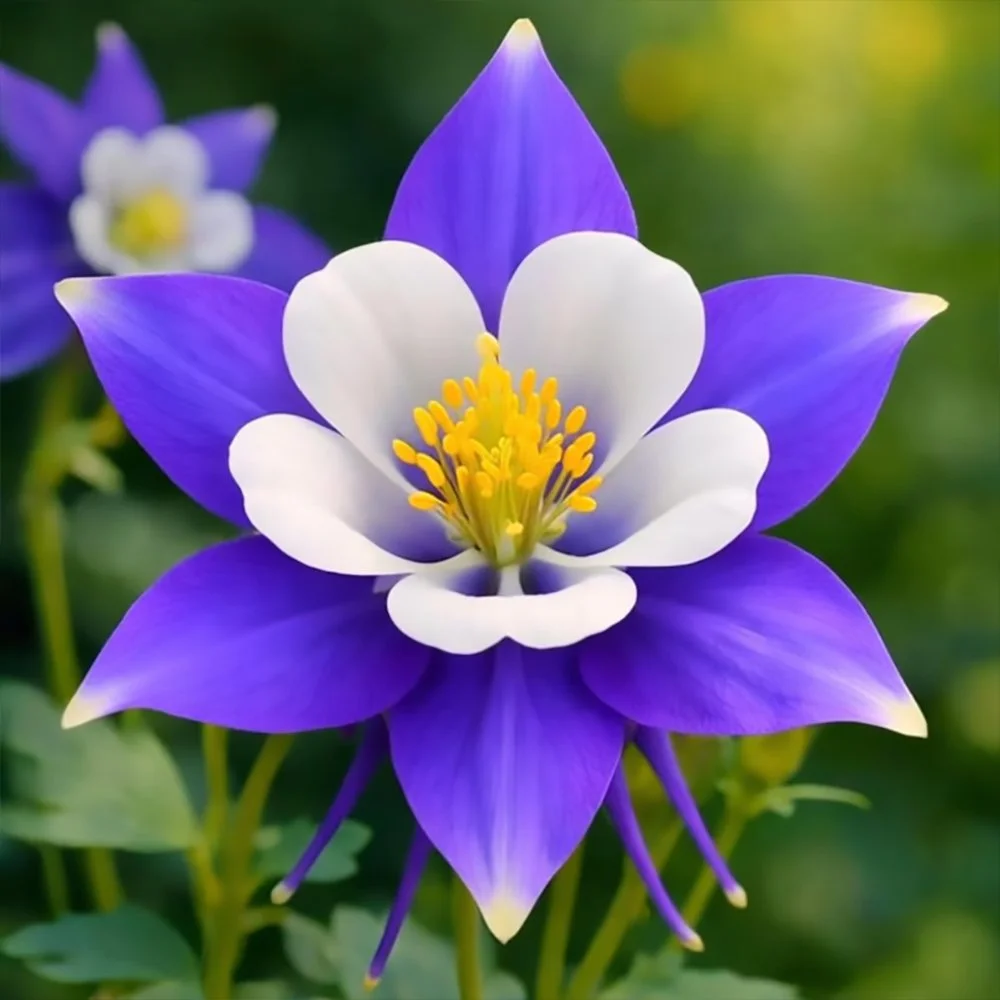 Image 5 of 8
 Image 6 of 8
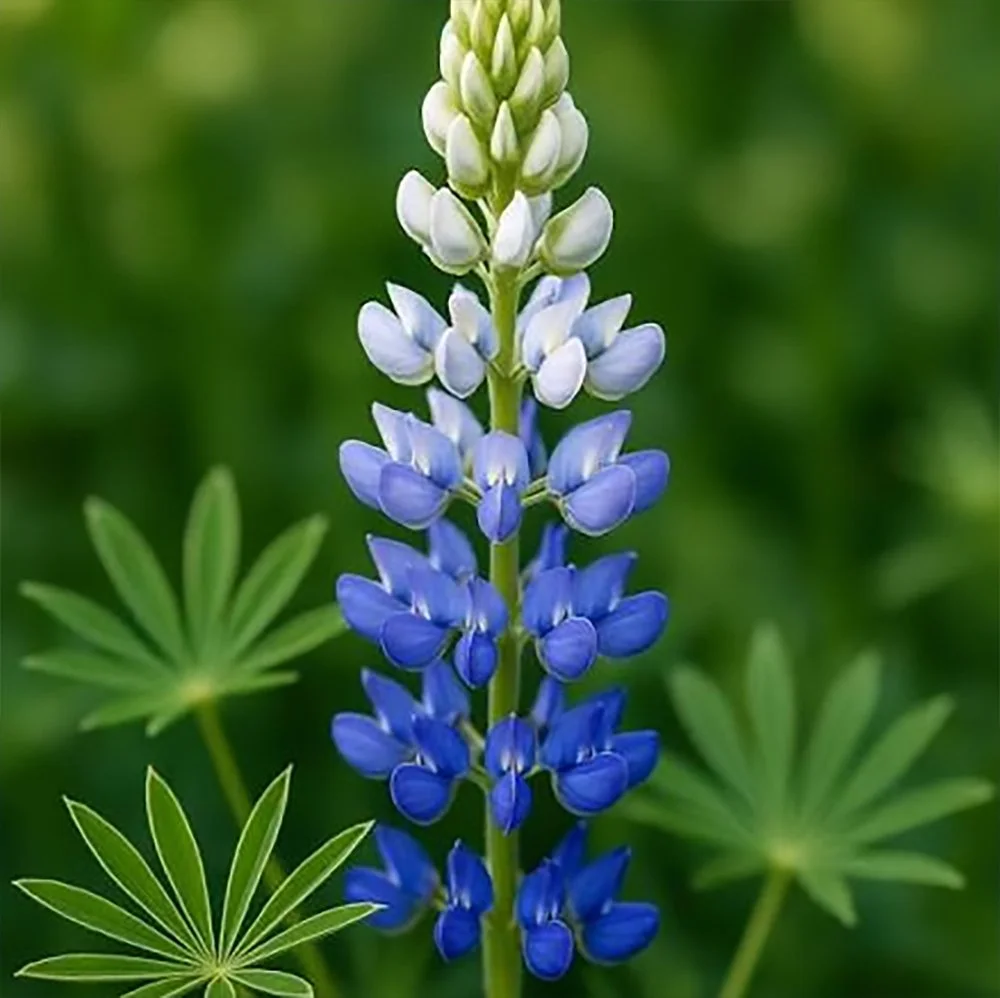 Image 7 of 8
 Image 8 of 8