
 Image 1 of 4
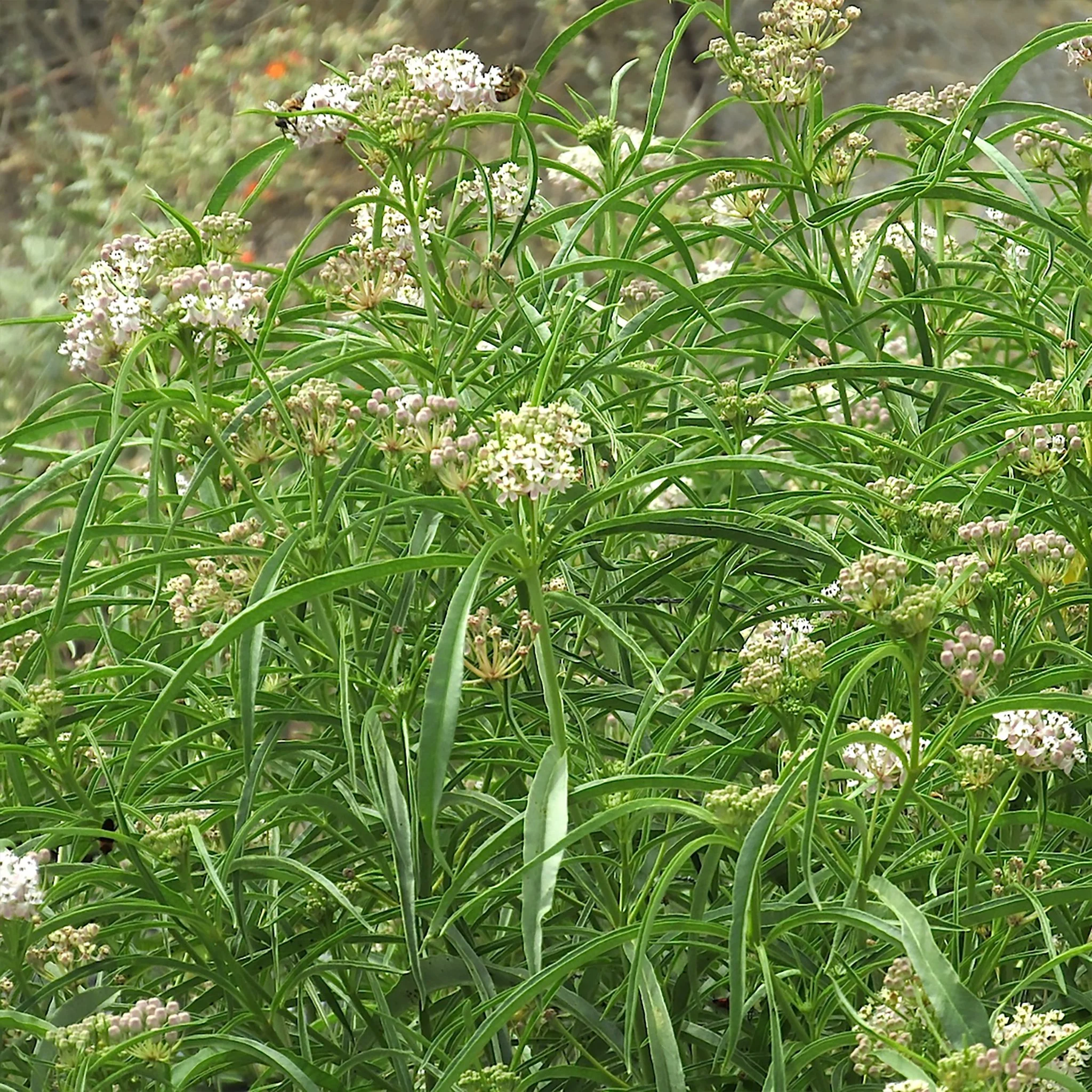 Image 2 of 4
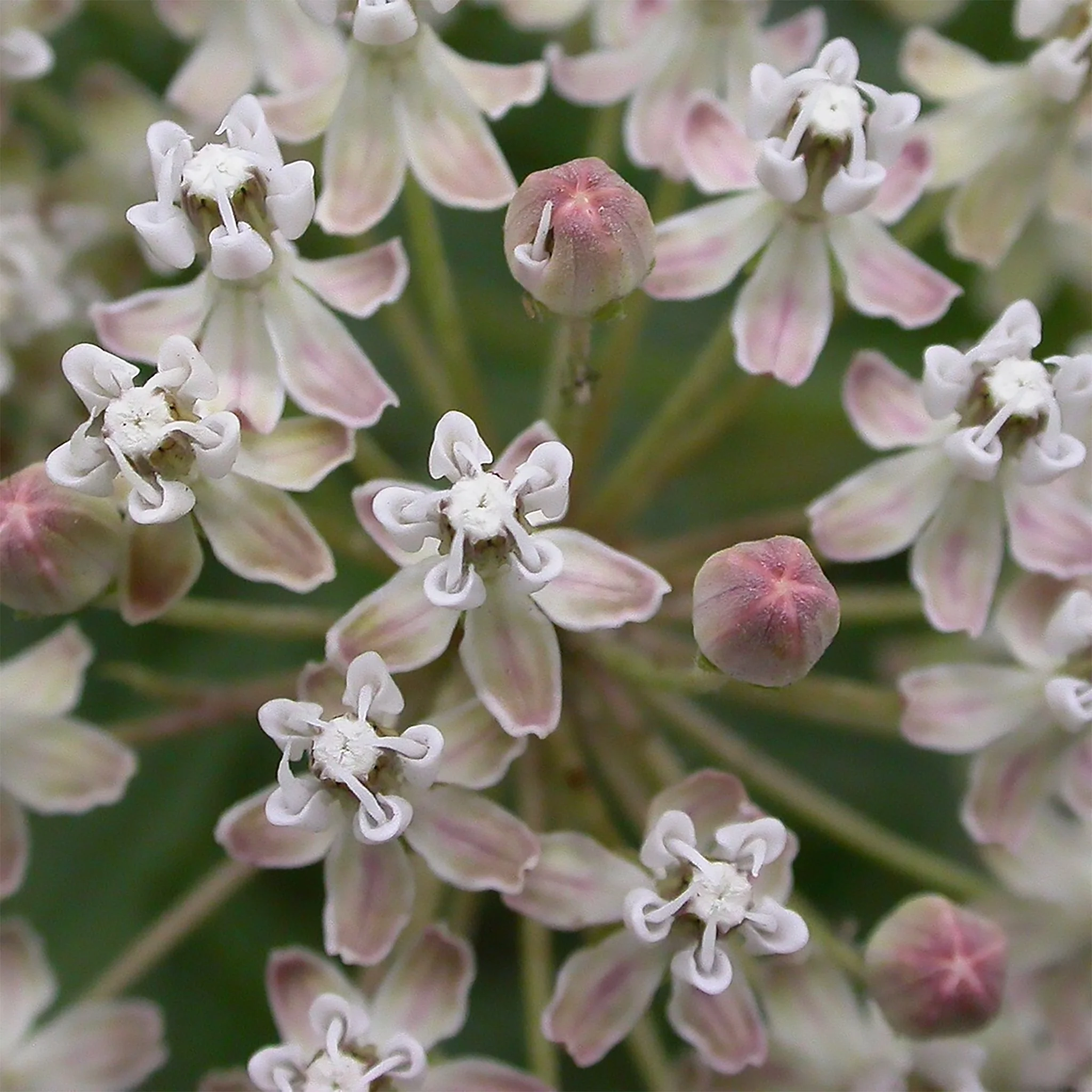 Image 3 of 4
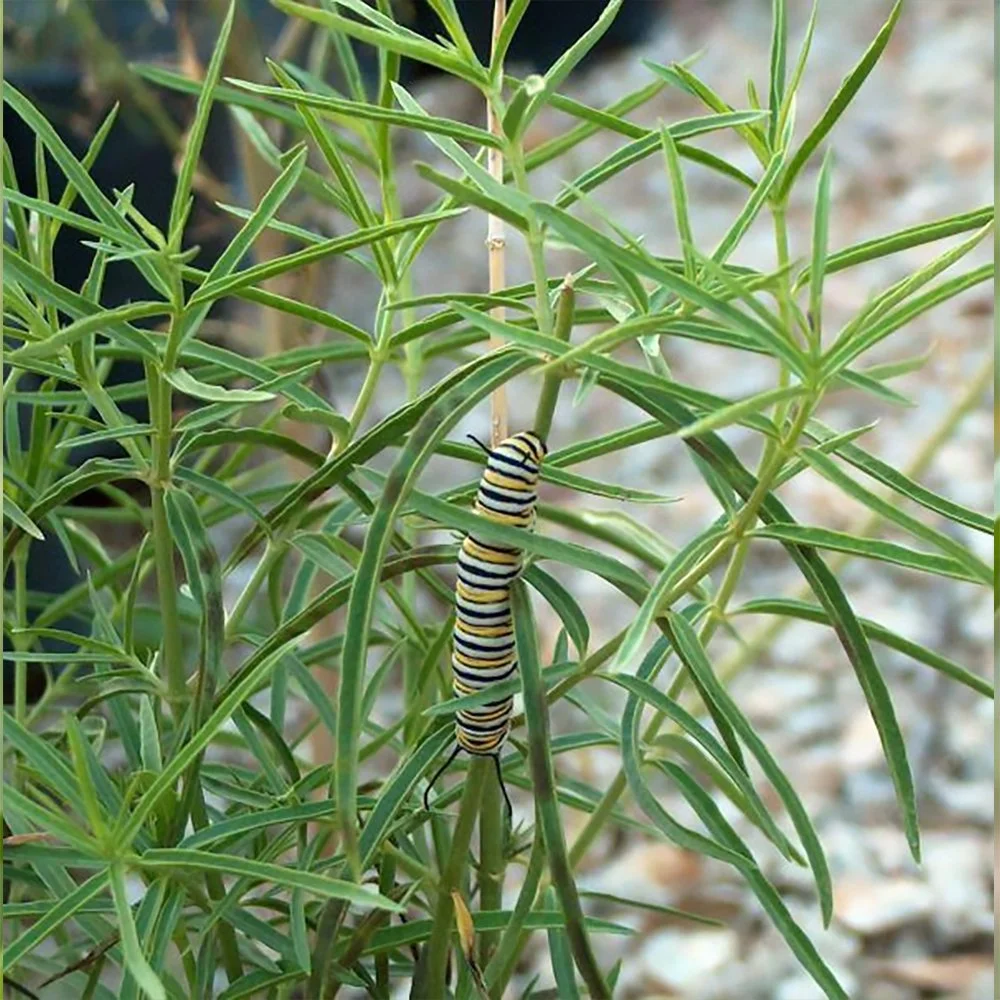 Image 4 of 4
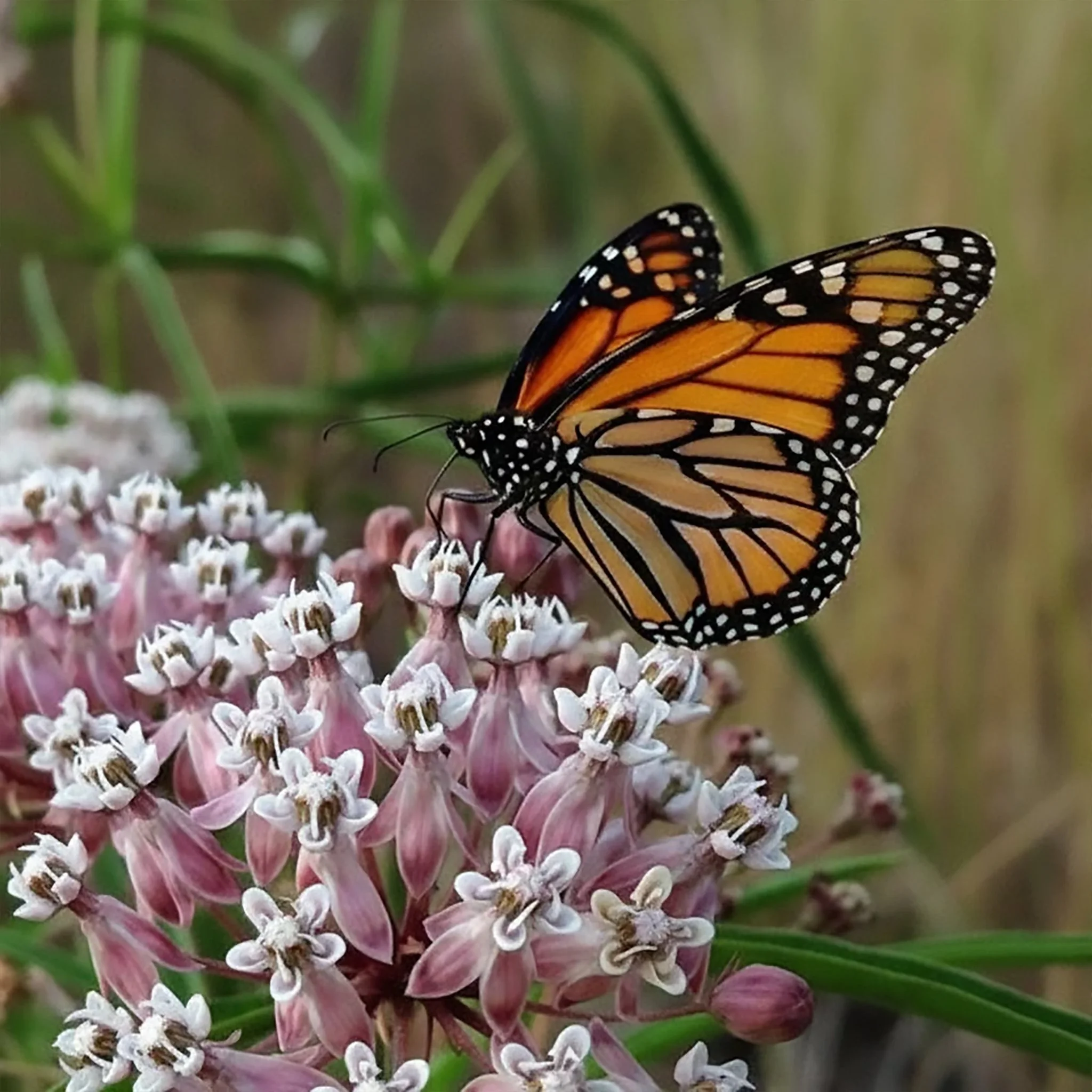
Asclepias fascicularis, commonly known as Narrowleaf Milkweed or Mexican Whorled Milkweed, is a graceful perennial wildflower native to western North America, particularly California and portions of Oregon, Nevada, Utah, and neighboring western states. Although well adapted to many western landscapes, it is not native throughout the entire American Southwest. Growing approximately 2–4 feet tall and 1–2 feet wide, it features slender, narrow leaves arranged along upright stems and delicate clusters of white to pale pink flowers, often tinged with lavender, that bloom from summer into early fall. Hardy in approximately USDA Zones 6–10, Narrowleaf Milkweed tolerates winter temperatures around -10 to 0°F in suitable conditions and summer heat exceeding 100°F when adequate moisture is available. It thrives in full sun and well-drained soil, becoming increasingly drought-tolerant as its root system develops. An important host plant for monarch butterflies, its foliage provides food for developing caterpillars, while its nectar-rich flowers attract native bees, butterflies, and other beneficial pollinators. Narrowleaf Milkweed is an excellent choice for native landscapes, wildlife gardens, and naturalized wildflower plantings within its appropriate growing region.
Southwest Growing Tips: Narrowleaf Milkweed performs best in sunny locations with well-drained soil and seasonal moisture. Although established plants tolerate dry conditions, occasional deep watering during extended drought can improve growth and flowering. In extremely hot, low-desert gardens, provide supplemental irrigation and consider afternoon shade, especially while plants are establishing. Avoid consistently wet soil, particularly during winter dormancy. Plants may die back to the ground in colder weather and regrow when temperatures warm. Allow room for underground rhizomes to spread, as mature plants can gradually form colonies. For monarch habitat restoration and wildlife-friendly landscaping, choose milkweed species native to your specific area and locally or regionally sourced seed whenever possible. Matching milkweed to its natural geographic range helps support locally adapted plant communities and appropriate monarch habitat.
Stratification & Germination: Narrowleaf Milkweed seeds may benefit from cold, moist stratification to improve germination. For spring planting, place seeds in a lightly moistened medium and refrigerate for approximately 30 days, or sow outdoors in fall where natural winter conditions provide suitable chilling. After stratification, sow seeds approximately 1/8 inch deep in a well-draining seed-starting mix. Keep the medium consistently moist but not waterlogged, and provide bright light and warm temperatures around 70–80°F. Germination commonly occurs within 1–3 weeks under favorable conditions but may be uneven or take longer. Transplant seedlings carefully once they develop several sets of true leaves, avoiding damage to their developing root systems.
Toxicity: Narrowleaf Milkweed contains toxic cardiac glycosides in its leaves, stems, and milky sap. All parts of the plant are potentially poisonous to humans, pets, and livestock if ingested. The sap may also cause skin irritation in sensitive individuals. Wear gloves when handling damaged plants, avoid contact with eyes, and keep plants away from grazing animals and pets that may chew on foliage.
Grow Narrowleaf Milkweed from seed and bring delicate native flowers to your garden while supporting monarch butterflies and other essential pollinators!
THIS LISTING IS FOR ONE PACKET OF 25 SEEDS.
Asclepias fascicularis, commonly known as Narrowleaf Milkweed or Mexican Whorled Milkweed, is a graceful perennial wildflower native to western North America, particularly California and portions of Oregon, Nevada, Utah, and neighboring western states. Although well adapted to many western landscapes, it is not native throughout the entire American Southwest. Growing approximately 2–4 feet tall and 1–2 feet wide, it features slender, narrow leaves arranged along upright stems and delicate clusters of white to pale pink flowers, often tinged with lavender, that bloom from summer into early fall. Hardy in approximately USDA Zones 6–10, Narrowleaf Milkweed tolerates winter temperatures around -10 to 0°F in suitable conditions and summer heat exceeding 100°F when adequate moisture is available. It thrives in full sun and well-drained soil, becoming increasingly drought-tolerant as its root system develops. An important host plant for monarch butterflies, its foliage provides food for developing caterpillars, while its nectar-rich flowers attract native bees, butterflies, and other beneficial pollinators. Narrowleaf Milkweed is an excellent choice for native landscapes, wildlife gardens, and naturalized wildflower plantings within its appropriate growing region.
Southwest Growing Tips: Narrowleaf Milkweed performs best in sunny locations with well-drained soil and seasonal moisture. Although established plants tolerate dry conditions, occasional deep watering during extended drought can improve growth and flowering. In extremely hot, low-desert gardens, provide supplemental irrigation and consider afternoon shade, especially while plants are establishing. Avoid consistently wet soil, particularly during winter dormancy. Plants may die back to the ground in colder weather and regrow when temperatures warm. Allow room for underground rhizomes to spread, as mature plants can gradually form colonies. For monarch habitat restoration and wildlife-friendly landscaping, choose milkweed species native to your specific area and locally or regionally sourced seed whenever possible. Matching milkweed to its natural geographic range helps support locally adapted plant communities and appropriate monarch habitat.
Stratification & Germination: Narrowleaf Milkweed seeds may benefit from cold, moist stratification to improve germination. For spring planting, place seeds in a lightly moistened medium and refrigerate for approximately 30 days, or sow outdoors in fall where natural winter conditions provide suitable chilling. After stratification, sow seeds approximately 1/8 inch deep in a well-draining seed-starting mix. Keep the medium consistently moist but not waterlogged, and provide bright light and warm temperatures around 70–80°F. Germination commonly occurs within 1–3 weeks under favorable conditions but may be uneven or take longer. Transplant seedlings carefully once they develop several sets of true leaves, avoiding damage to their developing root systems.
Toxicity: Narrowleaf Milkweed contains toxic cardiac glycosides in its leaves, stems, and milky sap. All parts of the plant are potentially poisonous to humans, pets, and livestock if ingested. The sap may also cause skin irritation in sensitive individuals. Wear gloves when handling damaged plants, avoid contact with eyes, and keep plants away from grazing animals and pets that may chew on foliage.
Grow Narrowleaf Milkweed from seed and bring delicate native flowers to your garden while supporting monarch butterflies and other essential pollinators!
THIS LISTING IS FOR ONE PACKET OF 25 SEEDS.