Image 1 of 9
Image 2 of 9
Image 3 of 9
Image 4 of 9
Image 5 of 9
Image 6 of 9
Image 7 of 9
Image 8 of 9
Image 9 of 9
High Desert & Transition Foothills Wildflower Seed Mix – Region 2
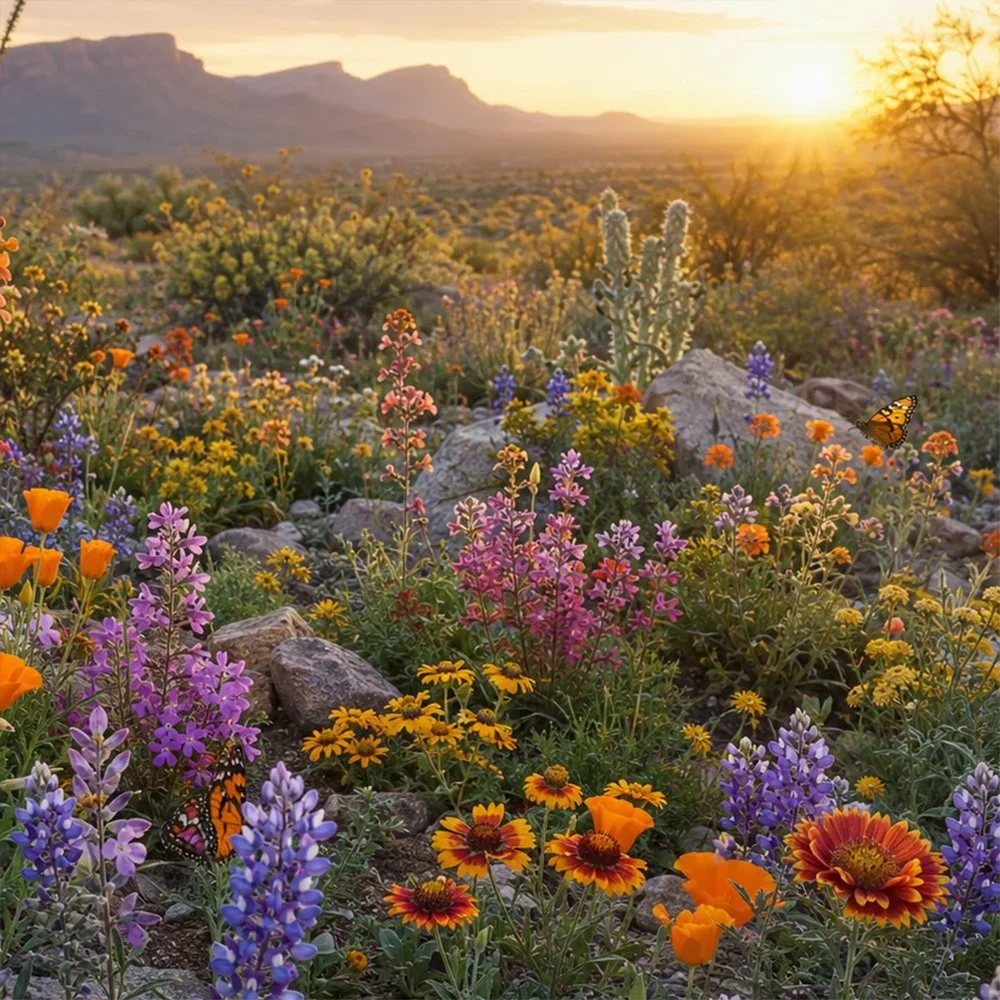
Bring the natural beauty of the Southwestern high desert to your garden with our High Desert & Transition Foothills Wildflower Seed Mix. Specially selected for the foothills and higher-elevation desert landscapes of the American Southwest, this collection features eight colorful wildflower species adapted to hot summers, cold winters, and seasonal moisture. Ideal for USDA Zones 6a–8a, the mix offers a succession of blooms that attract native bees, butterflies, hummingbirds, and other beneficial pollinators.
The climate in this region is characterized by hot, dry summers, cold winters, occasional snowfall, large day-to-night temperature swings, and a shorter growing season than the low desert. Fall sowing allows seeds to benefit from natural winter moisture and seasonal temperature changes, encouraging germination when conditions become favorable in spring.
Each 1/10 oz. packet contains an estimated 30,000+ seeds, featuring the following eight wildflowers:
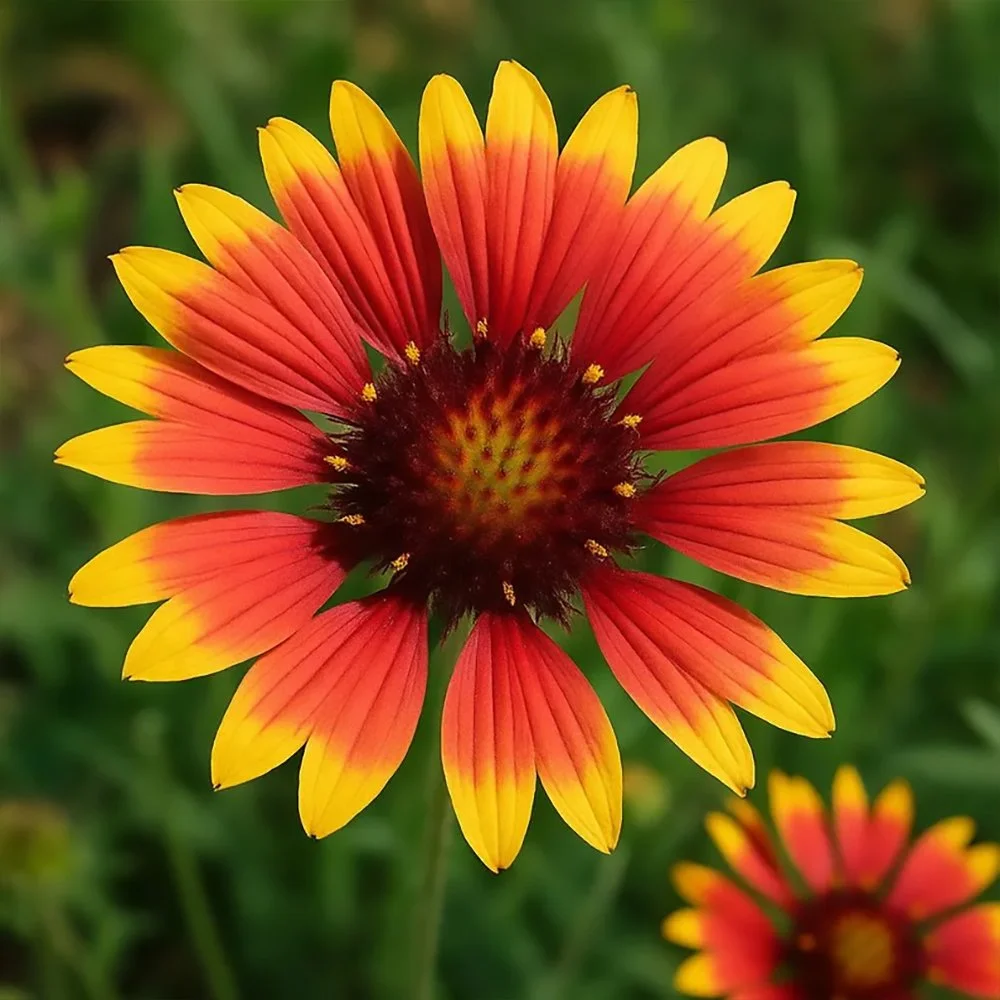
Blanket Flower (Gaillardia aristata) — A colorful perennial with golden-yellow, daisy-like flowers, often accented by reddish centers. Its long-lasting summer blooms attract native bees, butterflies, and other beneficial pollinators.
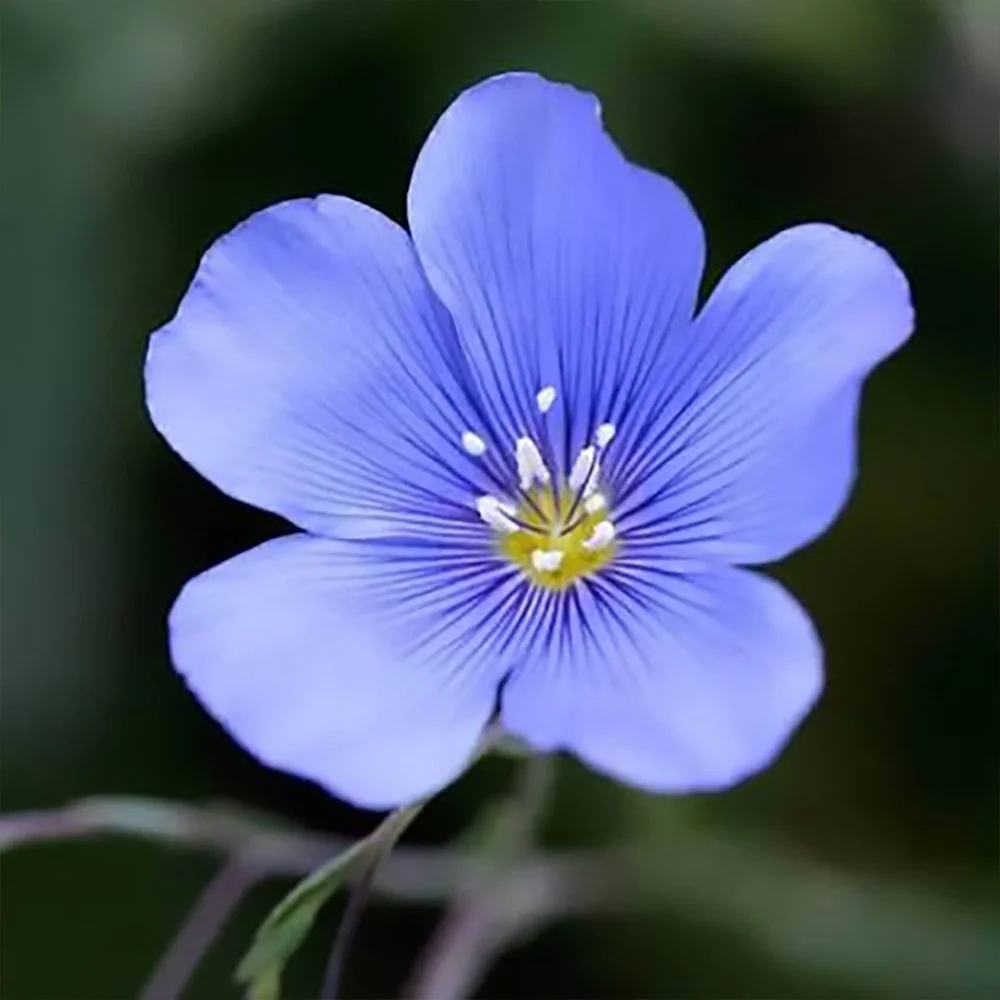
Blue Flax (Linum lewisii) — A graceful perennial producing delicate sky-blue flowers above slender stems and fine foliage. Adds soft color and natural movement to sunny foothill gardens.
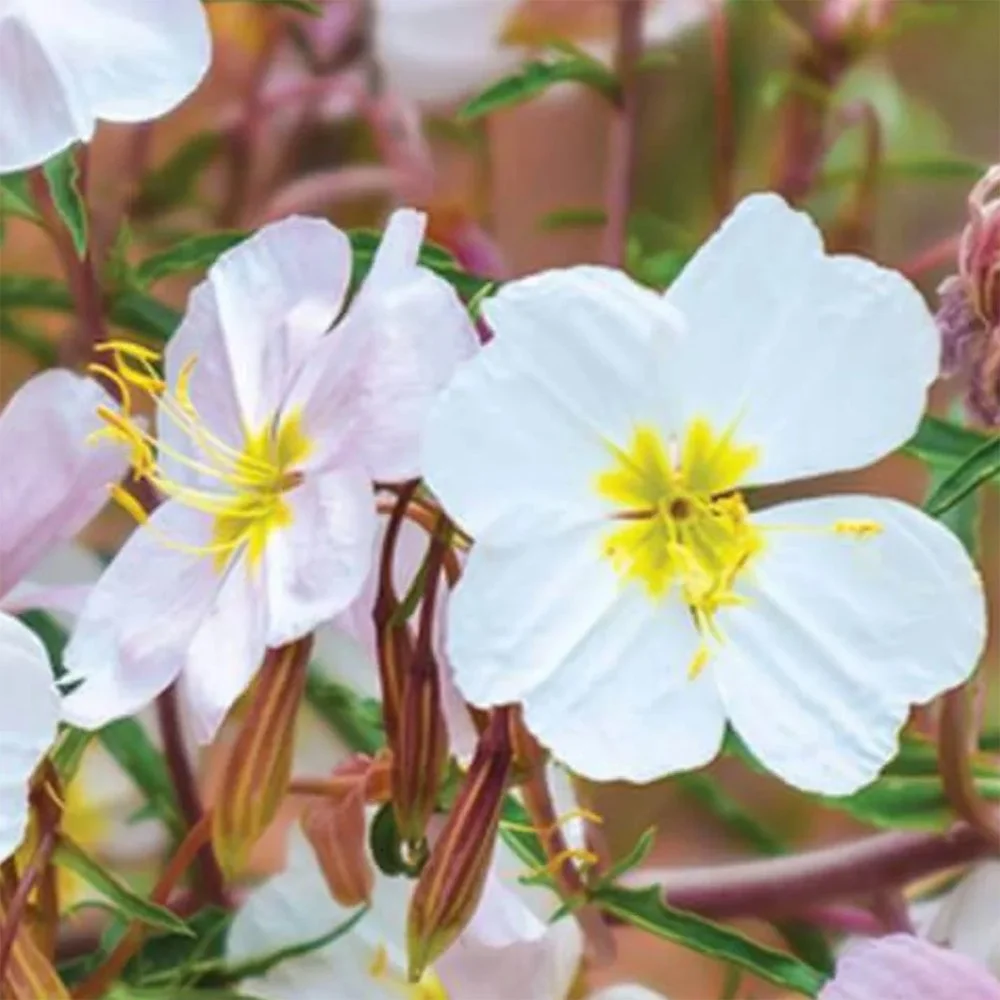
Pale Evening Primrose (Oenothera pallida) — A drought-tolerant perennial with large, fragrant white flowers that may develop a soft pink blush. Its evening-opening blooms attract moths and other nighttime pollinators.
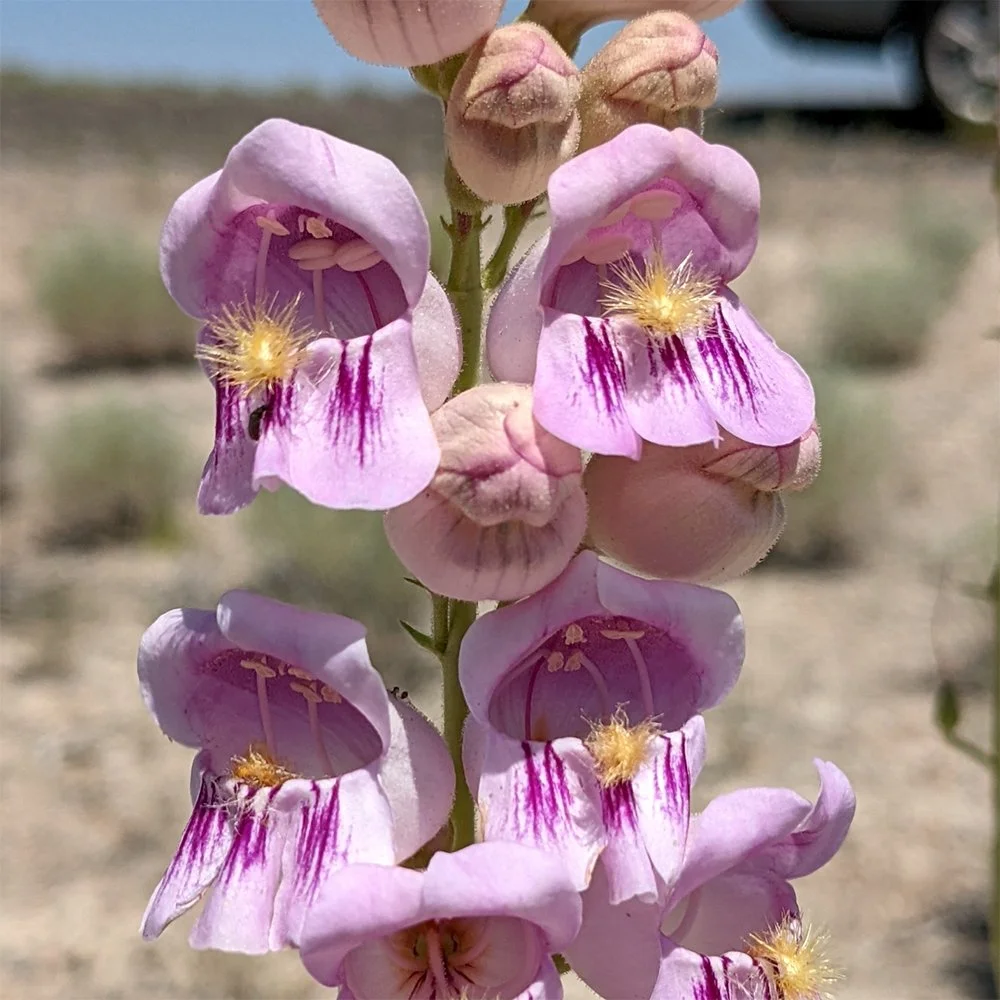
Palmer’s Penstemon (Penstemon palmeri) — A striking Southwestern perennial with tall spikes of fragrant, pale pink to lavender tubular flowers that attract hummingbirds and native bees. Thrives in sunny locations with well-drained soils.
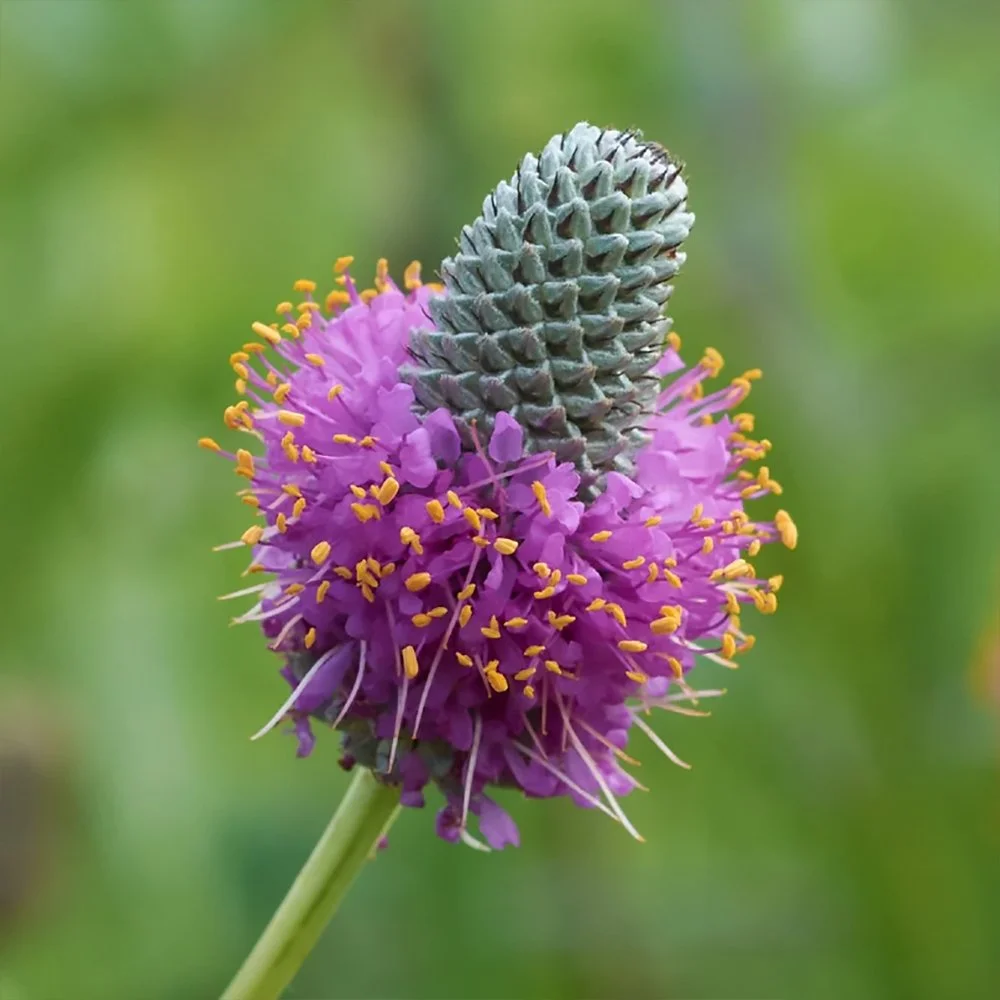
Purple Prairie Clover (Dalea purpurea) — A hardy perennial with distinctive cylindrical flower heads covered in tiny rosy-purple blossoms. Its deep roots provide drought tolerance, while its flowers attract native bees and butterflies.
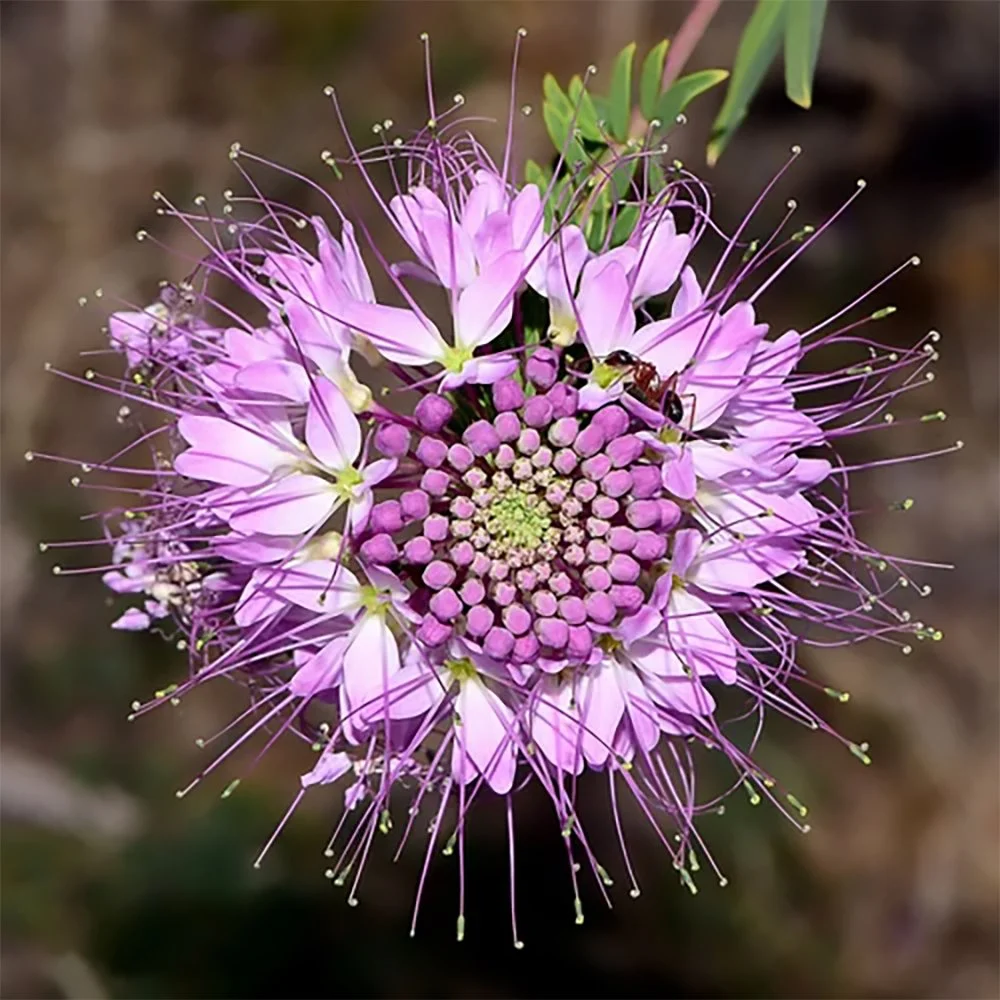
Rocky Mountain Beeplant (Cleome serrulata, syn. Peritoma serrulata) — A fast-growing annual producing airy clusters of pink to lavender-purple flowers with prominent stamens. Its nectar-rich blooms attract bees, butterflies, and hummingbirds.
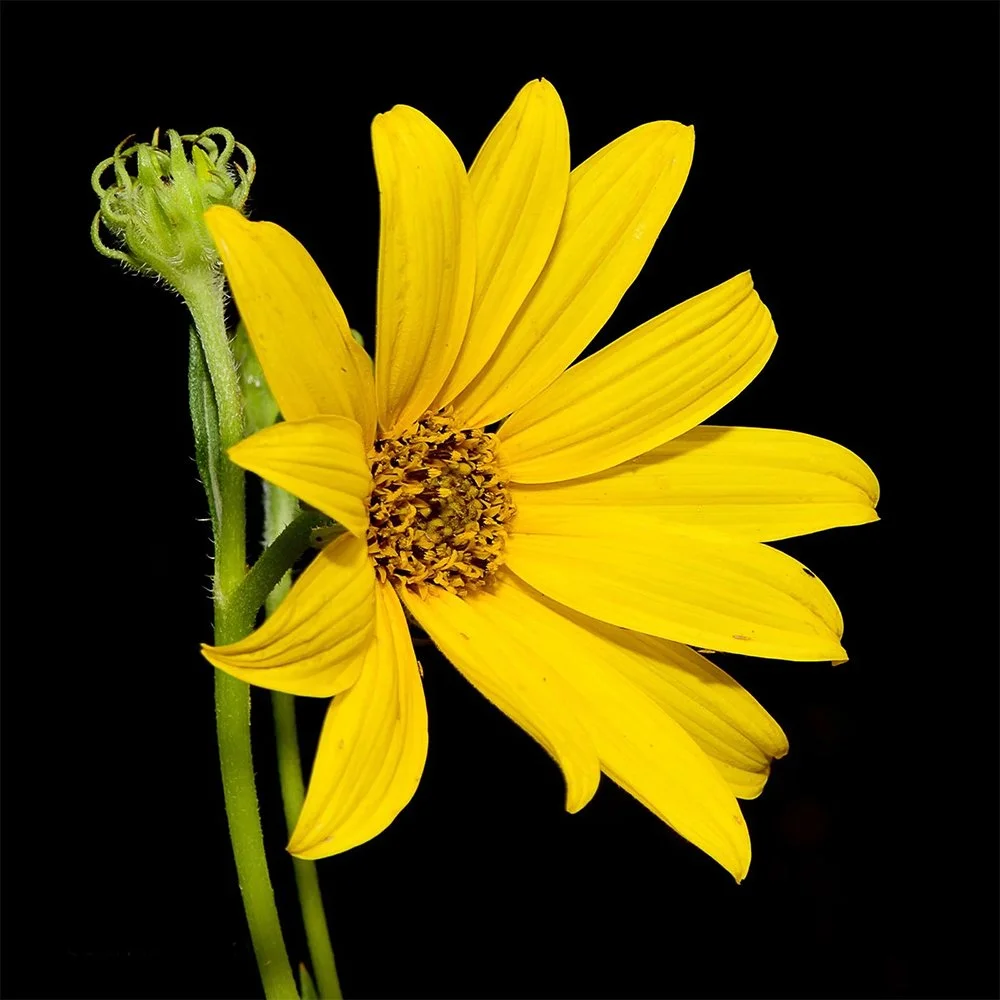
Showy Goldeneye (Heliomeris multiflora) — A hardy Southwestern perennial with abundant golden-yellow, sunflower-like flowers on branching stems. Thrives in sunny foothill habitats and attracts native bees, butterflies, and other beneficial insects.
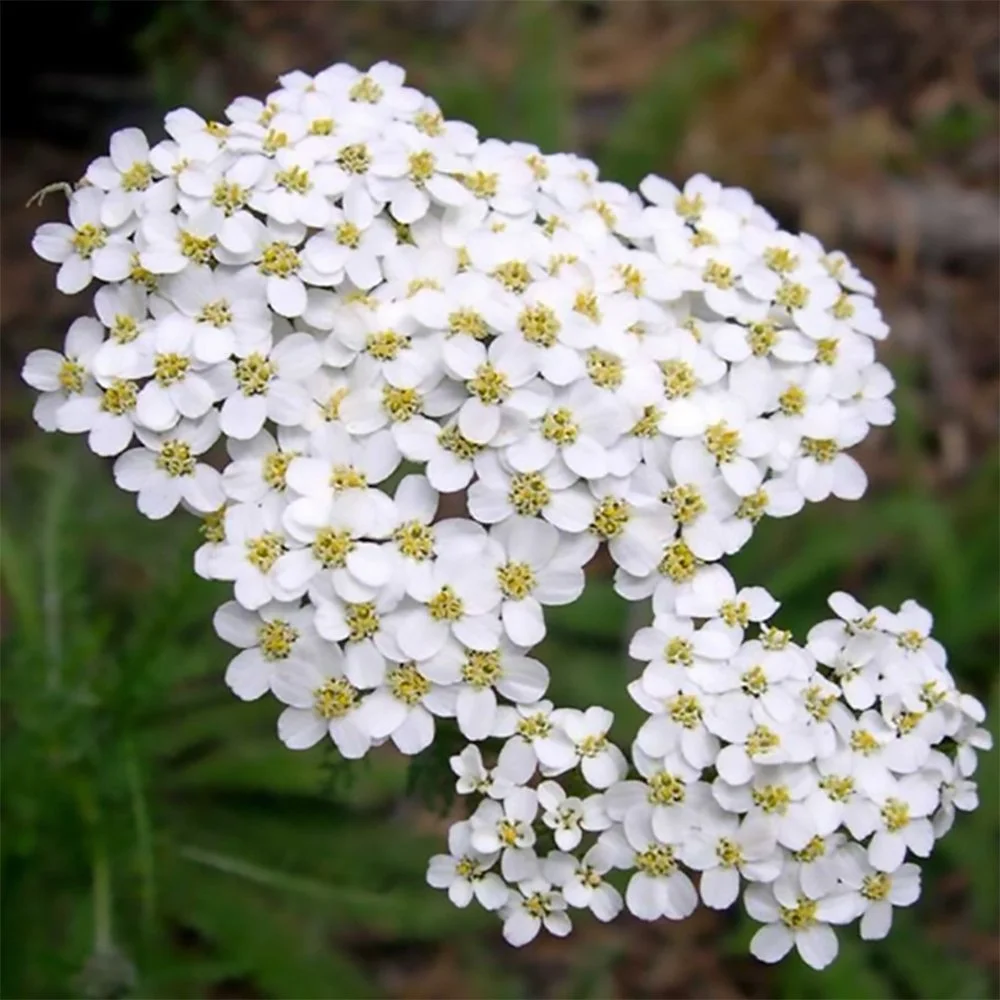
Western Yarrow (Achillea millefolium var. occidentalis) — A resilient native perennial with finely divided, fernlike foliage and broad clusters of tiny white to cream flowers. Attracts native bees, butterflies, and beneficial insects.
Planting Your High Desert & Foothill Wildflower Seeds
For best results, sow in late fall through winter, allowing seeds to benefit from natural seasonal moisture and cool temperatures. Remove weeds and competing vegetation, then scatter seeds evenly over lightly prepared soil. Press seeds into firm contact with the soil and cover only as needed for the individual species. Winter rain, occasional snow, and natural temperature fluctuations can help prepare seeds for spring germination.
Choose a location with full sun and well-drained soil. During germination and early establishment, monitor moisture and provide supplemental water during extended dry periods. Some species germinate slowly or may not flower until their second or later growing season.
Bring the colors of the high desert home! This thoughtfully selected seed mix combines colorful native wildflowers, seasonal beauty, and valuable pollinator habitat for gardens throughout the Southwestern high desert and transition foothills.
High Desert & Transition Foothills Wildflower Seed Mix – Region 2
Bring the natural beauty of the Southwestern high desert to your garden with our High Desert & Transition Foothills Wildflower Seed Mix. Specially selected for the foothills and higher-elevation desert landscapes of the American Southwest, this collection features eight colorful wildflower species adapted to hot summers, cold winters, and seasonal moisture. Ideal for USDA Zones 6a–8a, the mix offers a succession of blooms that attract native bees, butterflies, hummingbirds, and other beneficial pollinators.
The climate in this region is characterized by hot, dry summers, cold winters, occasional snowfall, large day-to-night temperature swings, and a shorter growing season than the low desert. Fall sowing allows seeds to benefit from natural winter moisture and seasonal temperature changes, encouraging germination when conditions become favorable in spring.
Each 1/10 oz. packet contains an estimated 30,000+ seeds, featuring the following eight wildflowers:
Blanket Flower (Gaillardia aristata) — A colorful perennial with golden-yellow, daisy-like flowers, often accented by reddish centers. Its long-lasting summer blooms attract native bees, butterflies, and other beneficial pollinators.
Blue Flax (Linum lewisii) — A graceful perennial producing delicate sky-blue flowers above slender stems and fine foliage. Adds soft color and natural movement to sunny foothill gardens.
Pale Evening Primrose (Oenothera pallida) — A drought-tolerant perennial with large, fragrant white flowers that may develop a soft pink blush. Its evening-opening blooms attract moths and other nighttime pollinators.
Palmer’s Penstemon (Penstemon palmeri) — A striking Southwestern perennial with tall spikes of fragrant, pale pink to lavender tubular flowers that attract hummingbirds and native bees. Thrives in sunny locations with well-drained soils.
Purple Prairie Clover (Dalea purpurea) — A hardy perennial with distinctive cylindrical flower heads covered in tiny rosy-purple blossoms. Its deep roots provide drought tolerance, while its flowers attract native bees and butterflies.
Rocky Mountain Beeplant (Cleome serrulata, syn. Peritoma serrulata) — A fast-growing annual producing airy clusters of pink to lavender-purple flowers with prominent stamens. Its nectar-rich blooms attract bees, butterflies, and hummingbirds.
Showy Goldeneye (Heliomeris multiflora) — A hardy Southwestern perennial with abundant golden-yellow, sunflower-like flowers on branching stems. Thrives in sunny foothill habitats and attracts native bees, butterflies, and other beneficial insects.
Western Yarrow (Achillea millefolium var. occidentalis) — A resilient native perennial with finely divided, fernlike foliage and broad clusters of tiny white to cream flowers. Attracts native bees, butterflies, and beneficial insects.
Planting Your High Desert & Foothill Wildflower Seeds
For best results, sow in late fall through winter, allowing seeds to benefit from natural seasonal moisture and cool temperatures. Remove weeds and competing vegetation, then scatter seeds evenly over lightly prepared soil. Press seeds into firm contact with the soil and cover only as needed for the individual species. Winter rain, occasional snow, and natural temperature fluctuations can help prepare seeds for spring germination.
Choose a location with full sun and well-drained soil. During germination and early establishment, monitor moisture and provide supplemental water during extended dry periods. Some species germinate slowly or may not flower until their second or later growing season.
Bring the colors of the high desert home! This thoughtfully selected seed mix combines colorful native wildflowers, seasonal beauty, and valuable pollinator habitat for gardens throughout the Southwestern high desert and transition foothills.