
Cacti, Succulents & Water-Wise Plants
Where Desert Beauty Comes Home
At Desert Cottage Nursery, we believe plants and gardens should bring beauty and inspiration to everyday life. Explore our thoughtfully curated collection of cacti, succulents, drought-tolerant plants, and Southwest wildflower seeds, along with distinctive planters, garden décor, and unique gifts.
From petite succulents for sunny windowsills to unusual, collectible cacti, we choose our plants for their fascinating shapes, colors, and character. We celebrate the beauty of water-wise gardening, helping you discover plants that add lasting interest to your home and garden while encouraging thoughtful water use.
Whether you’re building a succulent colleciton, creating a low-water landscape, or searching for a thoughtful gift, Desert Cottage Nursery offers something special to grow, enjoy, and share. We ship plants and garden favorites throughout the United States.ti
Plants to Grow. Gifts to Love.
Shop Cacti, Succulents & Southwest Wildflower Seeds
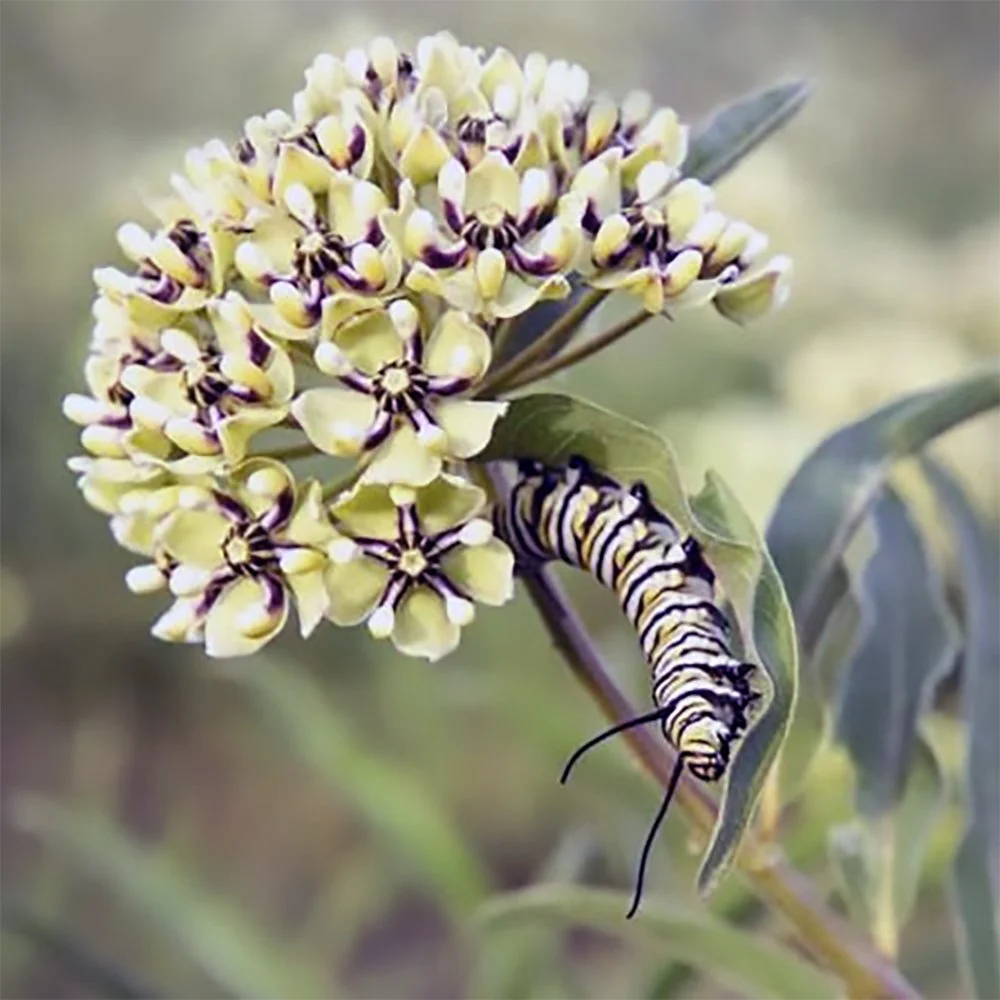
A Showstopper in the Native Garden
Antelope Horns Milkweed (Asclepias asperula) is a distinctive Southwestern native prized for its narrow, upright foliage and unusual clusters of greenish-yellow flowers accented with maroon to purple tones. Native across much of the central and southwestern United States, it is an excellent choice for dry Western landscapes, native plant gardens, pollinator gardens, xeriscapes, and wildlife habitats within its natural range. The plant gets its common name from its long, curved seed pods, which resemble the horns of an antelope. Mature plants typically reach 1–3 feet tall and 1–2 feet wide, forming an attractive, spreading to upright clump. Best suited to USDA Zones 6–10, it thrives in full sun and well-draining soil and is highly adapted to hot, dry conditions once established. Established plants can tolerate summer temperatures around 95–110°F and cold temperatures near -10 to 0°F, depending on conditions and local ecotype. In colder climates, the plant may die back to the ground during winter and regrow from its root system in spring. Water regularly while establishing, then gradually reduce watering as plants become established.
Stratification & Germination: Asclepias asperula seeds can benefit from cold, moist stratification, which helps overcome dormancy and may improve germination. For best results, place seeds in a lightly moistened medium and refrigerate them for approximately 30 days before sowing. After stratification, sow the seeds on the surface of a well-draining seed-starting mix and press them gently into the soil rather than covering them deeply, as milkweed seeds need light to germinate. Keep the medium evenly moist but not saturated and provide warmth and bright light. Germination may be somewhat irregular, so allow several weeks for seedlings to emerge and avoid discarding seed trays too early. Fresh seed generally provides the best germination, and seedlings should be transplanted carefully once they are well established.
Milkweed contains toxic cardiac glycosides and should be kept away from pets, livestock, and children.
THIS LISTING IS FOR A PACKET OF 25 SEEDS.
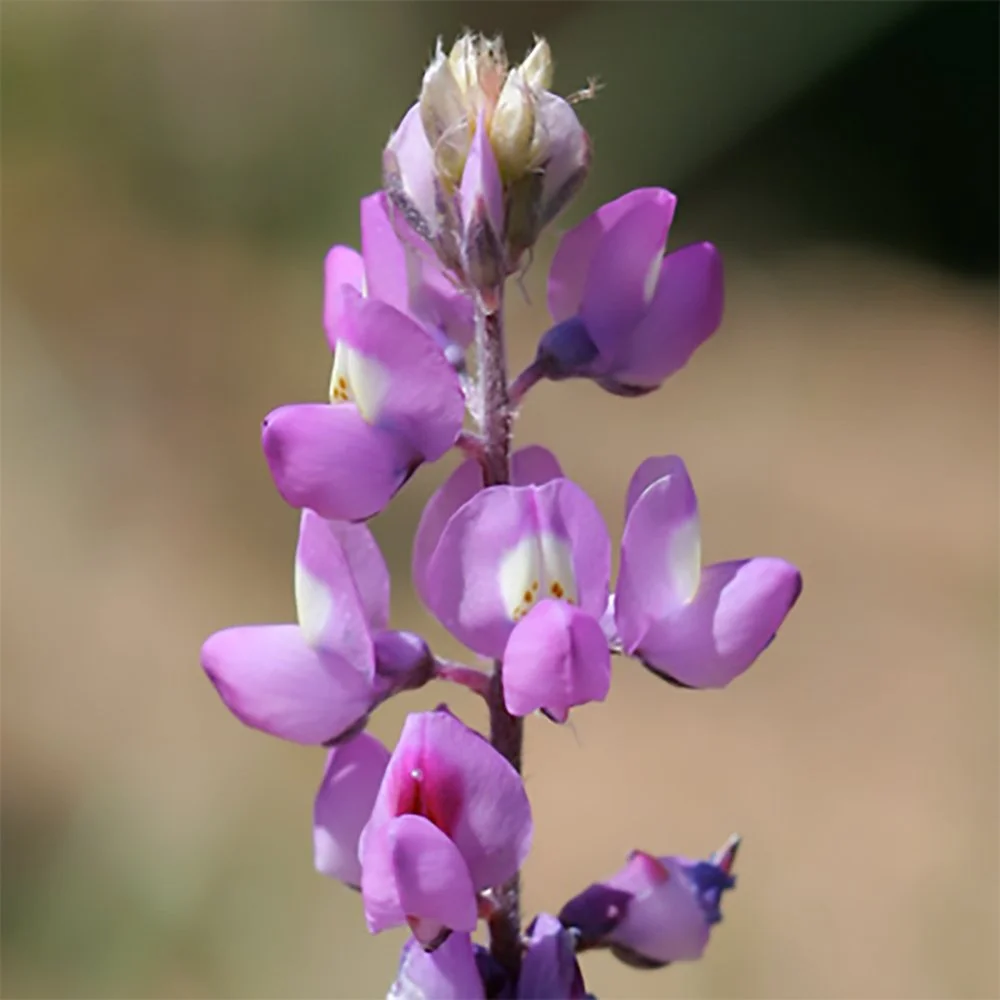
Desert Spring Favorite
Lupinus arizonicus, commonly known as Arizona Lupine, is a beautiful annual wildflower native to the deserts of the southwestern United States and northern Mexico. Growing approximately 6–18 inches tall, it produces showy spikes of pink, lavender, purple, and blue-violet flowers above silvery-green foliage in late winter and spring. Arizona Lupine thrives in full sun, well-draining sandy or gravelly soil, and low-water conditions, making it an excellent choice for desert wildflower gardens, xeriscapes, pollinator plantings, and naturalized areas. Best suited to USDA Zones 8–11, it grows in the cooler months, performs well around 50–75°F, and tolerates brief light frosts once established. Sow seeds in fall in warm desert climates for a colorful spring display. The flowers attract native bees, butterflies, and other pollinators. Easy to grow from seed and especially beautiful planted in groups, Arizona Lupine brings authentic desert color to the garden—order seeds now and create your own spring wildflower display.
THIS LISTING IS FOR A PACK OF APPROX. 840 SEEDS (1/10 OZ.)
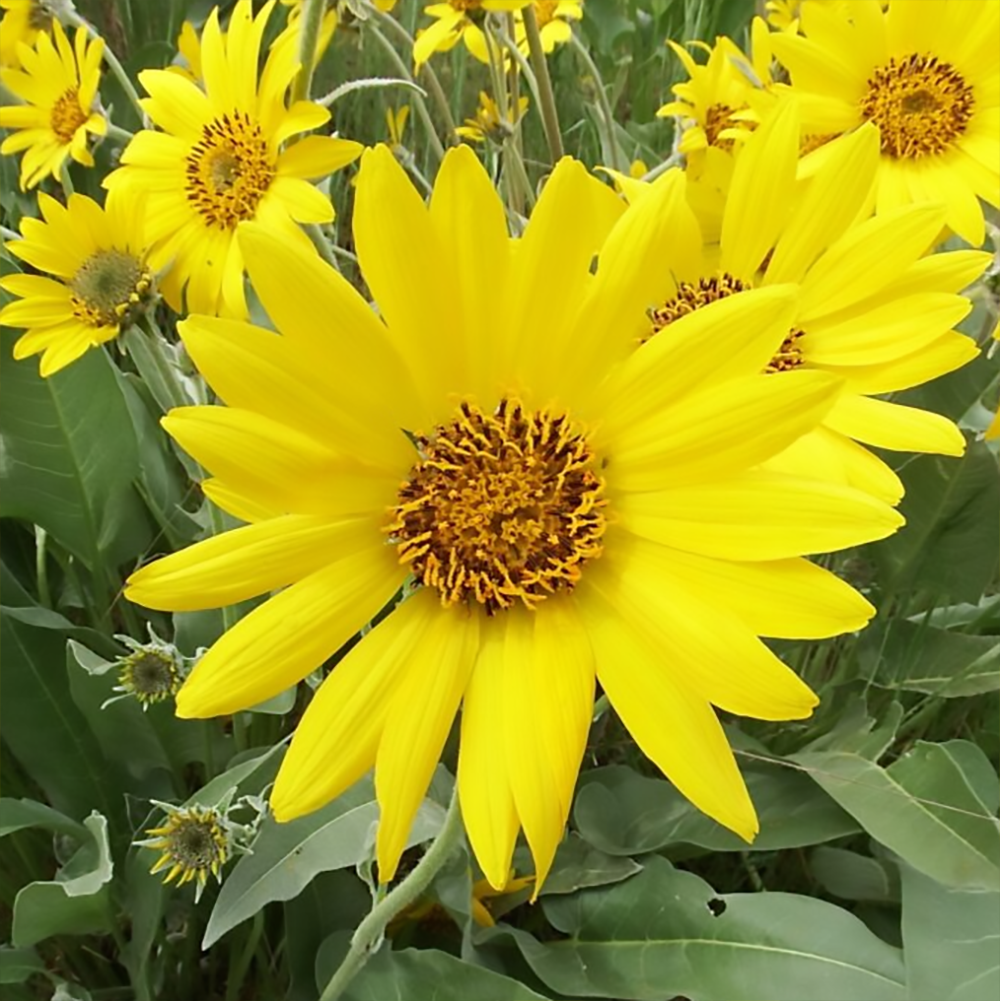
Golden Blooms for Native Bees
Balsamorhiza sagittata, commonly known as Arrowleaf Balsamroot or Oregon Sunflower, is a long-lived perennial wildflower native to western North America, from western Canada through much of the western United States. Its large, arrow-shaped, silvery-green leaves form an attractive basal clump, topped by bright golden-yellow, sunflower-like flowers in spring to early summer. Mature plants typically reach approximately 1–2 feet tall and wide. The cheerful blooms attract native bees, while the seeds provide food for birds.
Arrowleaf Balsamroot thrives in full sun to light shade and deep, well-draining soil. Its substantial taproot provides excellent drought tolerance once established. Best suited to cooler high-desert, foothill, and mountain gardens, it generally grows in approximately USDA Zones 4–8. Dormant, established plants tolerate cold winters, including temperatures around −20°F, depending on seed origin and growing conditions. Plants often become dormant during hot, dry summer weather; avoid frequent watering during dormancy. It is better suited to the Southwest’s cooler elevations than to intensely hot low-desert gardens.
Sow seeds outdoors in late fall where winter conditions provide prolonged cold, moist exposure, or provide approximately 8–12 weeks of cold, moist stratification before sowing. Germination and early growth can be slow, and plants may take several years to flower as they develop their deep roots. Sow in a permanent location whenever possible, as established plants are difficult to transplant.
THIS LISTING IS FOR A PACK OF APPROX. 340 SEEDS (1/10 OZ.)
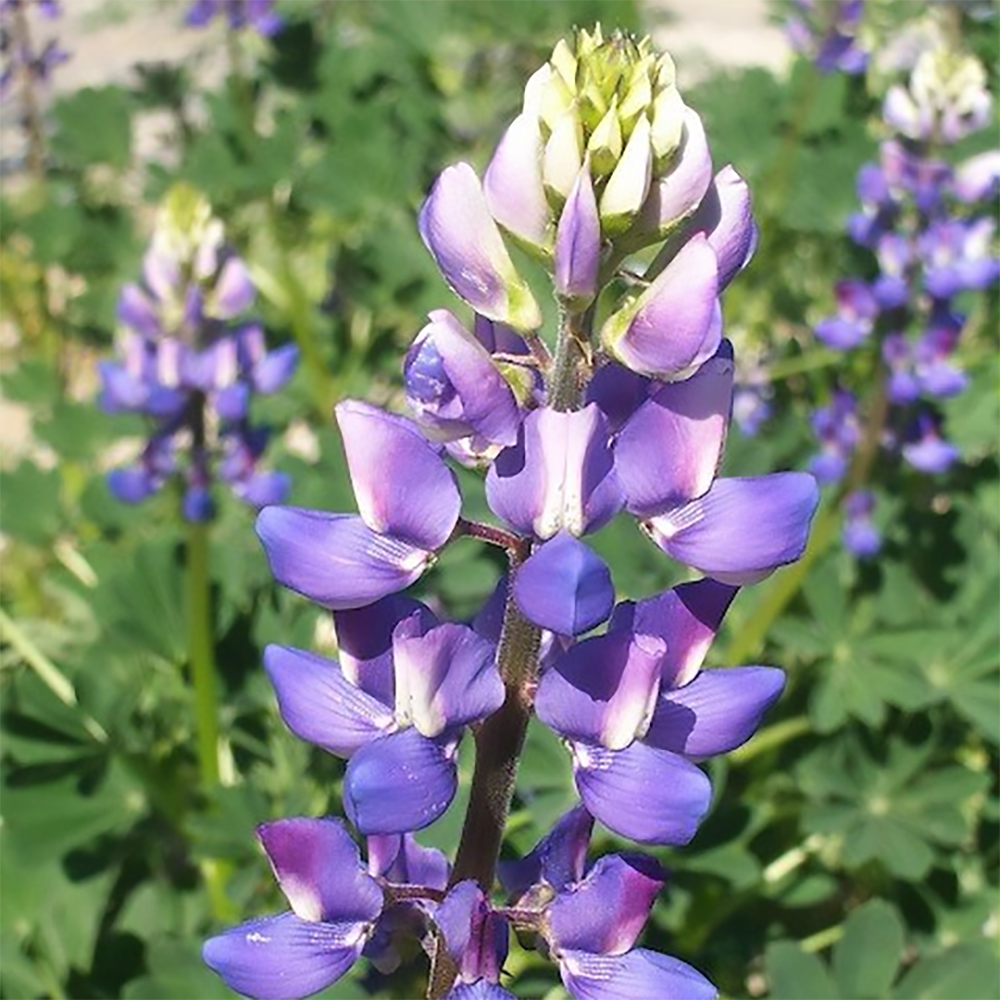
Bold Color for Pollinator Gardens
Lupinus succulentus, commonly known as Arroyo Lupine, is a showy annual wildflower native to California and parts of the Southwest. Growing approximately 1–3 feet tall, it produces striking spikes of rich blue to violet, pea-like flowers above lush green foliage in spring. A favorite of native bees, butterflies, and other pollinators, Arroyo Lupine is beautiful in wildflower gardens, pollinator plantings, cottage gardens, and naturalized areas. It prefers full sun, well-draining soil, and low to moderate water and is generally suited to USDA Zones 7–10. Plants thrive in cool-season conditions, with temperatures around 50–75°F, and established plants can tolerate brief light freezes to approximately 25°F. Sow seeds in fall in mild-winter and Southwestern climates or in early spring in colder areas. Easy to grow from seed and spectacular when planted in groups, Arroyo Lupine brings bold spring color and valuable pollinator habitat to the garden—order seeds now for a beautiful seasonal display.
THIS LISTING IS FOR A PACK OF APPROX. 110 SEEDS (1/10 OZ.)
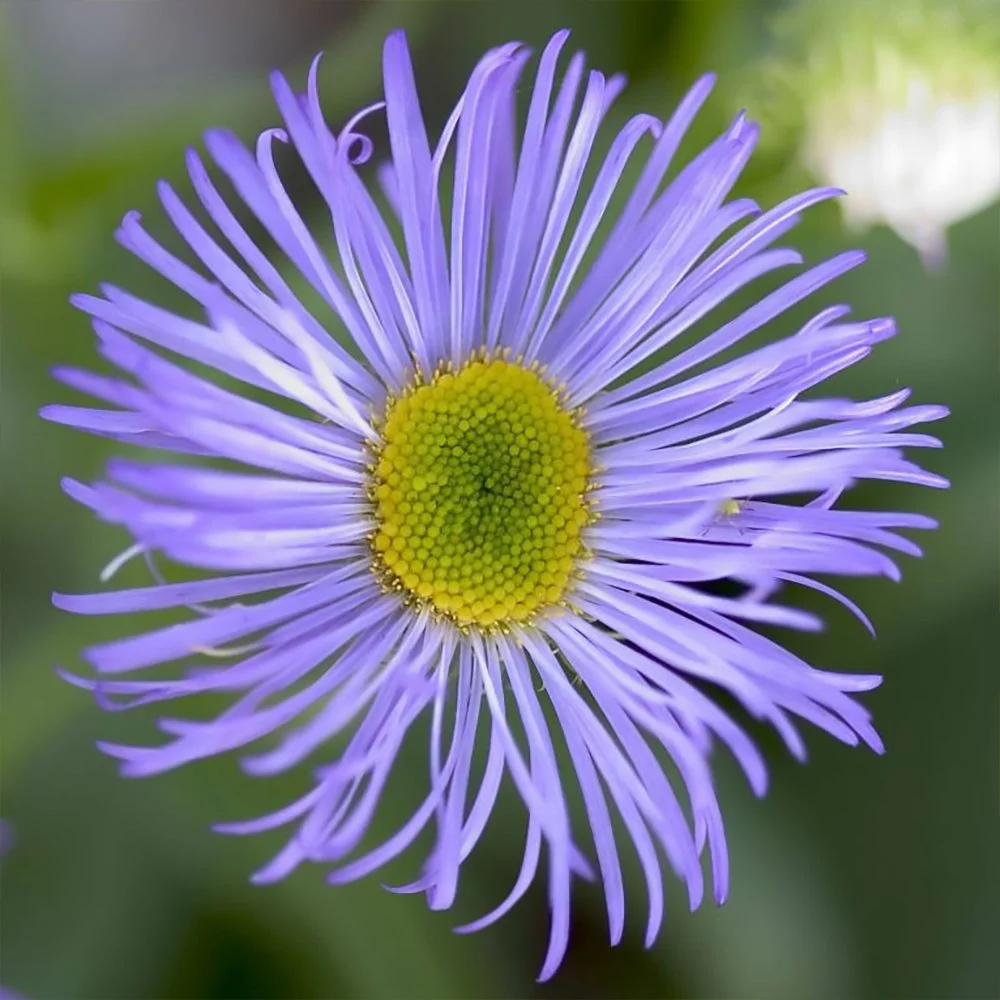
A Meadow Full of Lavender
Erigeron speciosus, commonly known as Aspen Fleabane or Showy Fleabane, is a clump-forming perennial wildflower native to western North America, from Canada through the western United States into Mexico. It produces abundant lavender-blue to violet, daisy-like flowers with golden-yellow centers in summer, sometimes continuing into fall. Mature plants typically reach approximately 1–2 feet tall and wide, with some growing taller under favorable conditions. Its colorful blooms attract native bees, butterflies, and other pollinators, making it a lovely addition to mountain gardens, meadow plantings, and cottage-style borders.
Aspen Fleabane grows best in full sun to partial shade and well-draining soil. Provide regular moisture while plants establish, then occasional supplemental watering during dry periods. Although established plants tolerate some drought, flowering is best when the soil does not become excessively dry. Generally suited to USDA Zones 5–7, dormant plants can withstand winter temperatures around −20°F under suitable conditions. In the Southwest, choose cooler foothill and mountain locations; provide afternoon shade during hot weather. This species is better suited to cooler elevations than to prolonged, extreme low-desert heat.
Sow seeds in fall or spring, pressing them onto prepared soil and covering only very lightly. Keep the seedbed gently moist during germination; temperatures around 55–70°F are suitable for many seed lots. Seeds often germinate without pretreatment, although 30–60 days of cold, moist stratification can improve uniformity for some sources.
Keep away from pets that chew plants; ingestion may cause mild digestive upset.
THIS LISTING IS FOR A PACK OF APPROX. 11,800 SEEDS (1/10 OZ.)
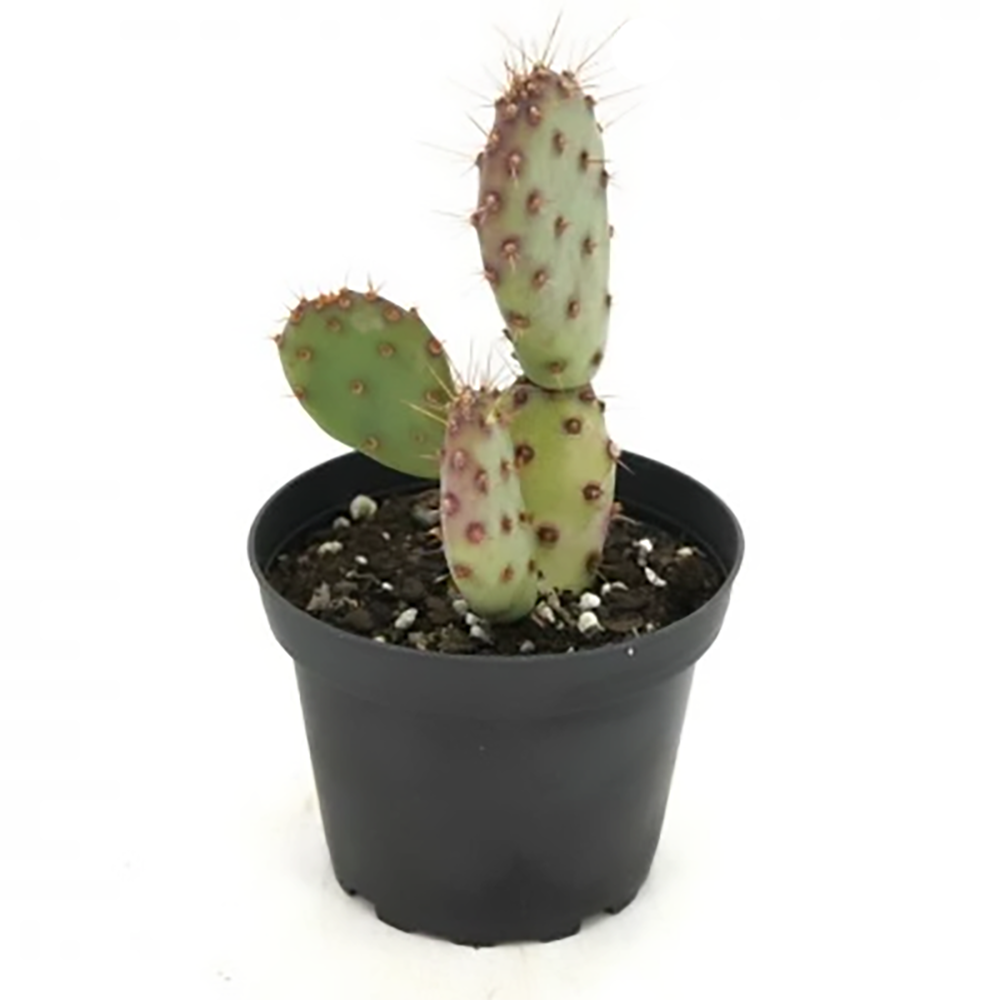
Compact, Colorful & Water-Wise
The Baby Rita Prickly Pear (Opuntia × basilaris ‘Baby Rita’) is a compact hybrid cactus prized for its colorful, color-shifting pads and vibrant blooms. Developed from prickly pear species native to the deserts of the southwestern United States and northern Mexico, it is well-suited to hot, dry climates and water-wise landscapes. Its rounded pads range from blue-green and gray-green to shades of purple and violet, with the deepest purple coloring often appearing during cooler weather. In spring, brilliant rose-pink to carmine flowers contrast beautifully with the colorful pads and attract pollinators.
Baby Rita develops a low, spreading growth habit, typically reaching approximately 8 inches tall and 2 feet wide. Its petite size makes it an excellent choice for rock gardens, xeriscapes, containers, borders, and small desert gardens. Best grown outdoors in full sun, it can also grow indoors with abundant direct sunlight or a suitable grow light.
Plant in exceptionally well-draining soil and allow it to dry between waterings. Water regularly during establishment, then reduce supplemental watering. Baby Rita tolerates hot desert summers and is generally suited to USDA Zones 7–11. Zone 7 corresponds to average annual extreme minimum temperatures of approximately 0–10°F; actual cold tolerance depends on establishment, exposure, drainage, and the duration of freezing weather. Avoid excess winter moisture and protect container-grown plants during severe freezes.
Like other prickly pears, Baby Rita has tiny glochids that can irritate the skin, so gloves or tongs are recommended when handling.
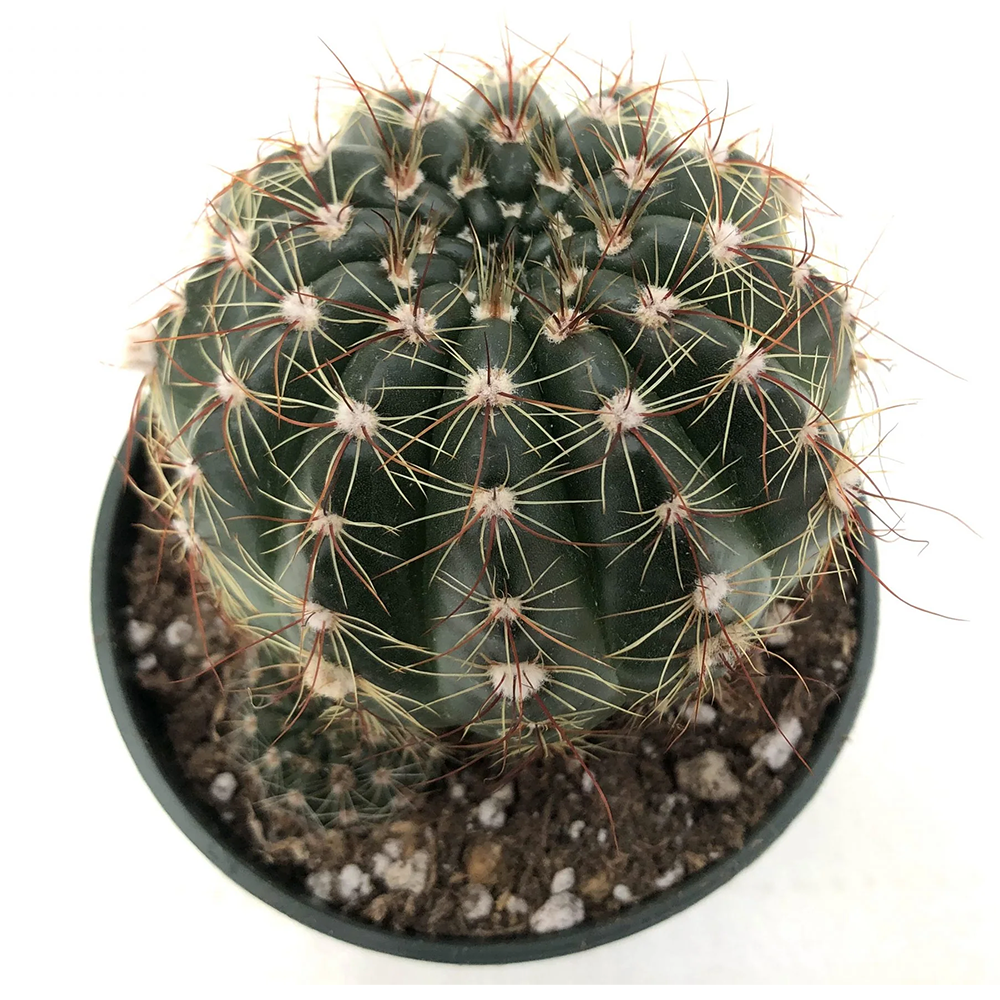
Golden Spines & Sunshine Blooms
Parodia concinna (syn. Notocactus concinnus), commonly known as Ball Cactus and Sun Cup Cactus, is a compact, globular cactus prized for its symmetrical ribbed form, golden spines, and large, brilliant yellow flowers. Native to southern Brazil and Uruguay, it grows naturally in rocky grasslands and open areas with excellent drainage. Mature plants typically reach about 3–6 inches tall and 3–5 inches wide, remaining relatively small and making them excellent choices for containers, cactus collections, rock gardens, and sunny windowsills. Mature plants produce showy, funnel-shaped yellow flowers near the crown, generally during spring and summer. Best suited to USDA Zones 9–11 with frost protection, Parodia concinna thrives in bright light to morning sun, fast-draining cactus soil, and warm growing temperatures around 65–85°F. In extremely hot desert climates, provide protection from intense afternoon summer sun. During winter, reduce watering substantially and keep the soil dry; established plants may tolerate brief temperatures around 30–32°F when completely dry, but should be protected from frost and prolonged freezing conditions.

Perfect Little Succulent Sphere
Euphorbia obesa, commonly called the Baseball Plant, Baseball Cactus, or Sea Urchin Plant, is a unique South African succulent prized for its rounded, striped form. Native to the dry Great Karoo region, it is adapted to hot, arid conditions and periods of drought. Slow-growing and compact, mature plants typically reach about 4–6 inches tall and wide. Provide bright light to full sun, excellent drainage, and allow the soil to dry completely between waterings. It thrives in hot weather around 90–100°F but should be protected from frost and temperatures near 30°F or lower. Reduce watering during winter. Like other Euphorbias, it produces irritating milky sap when damaged; handle with care.
Conservation Status: Euphorbia obesa is classified as Endangered (EN) by the South African National Biodiversity Institute (SANBI). Native to South Africa’s Eastern Cape, this distinctive species has a naturally limited distribution and has historically been threatened by illegal collection for the succulent trade. Nursery-propagated plants help reduce pressure on remaining wild populations.
THIS LISTING IS FOR A YOUNG POTTED SPECIMEN, 1–2 INCHES ACROSS. Water sparingly and watch it grow!
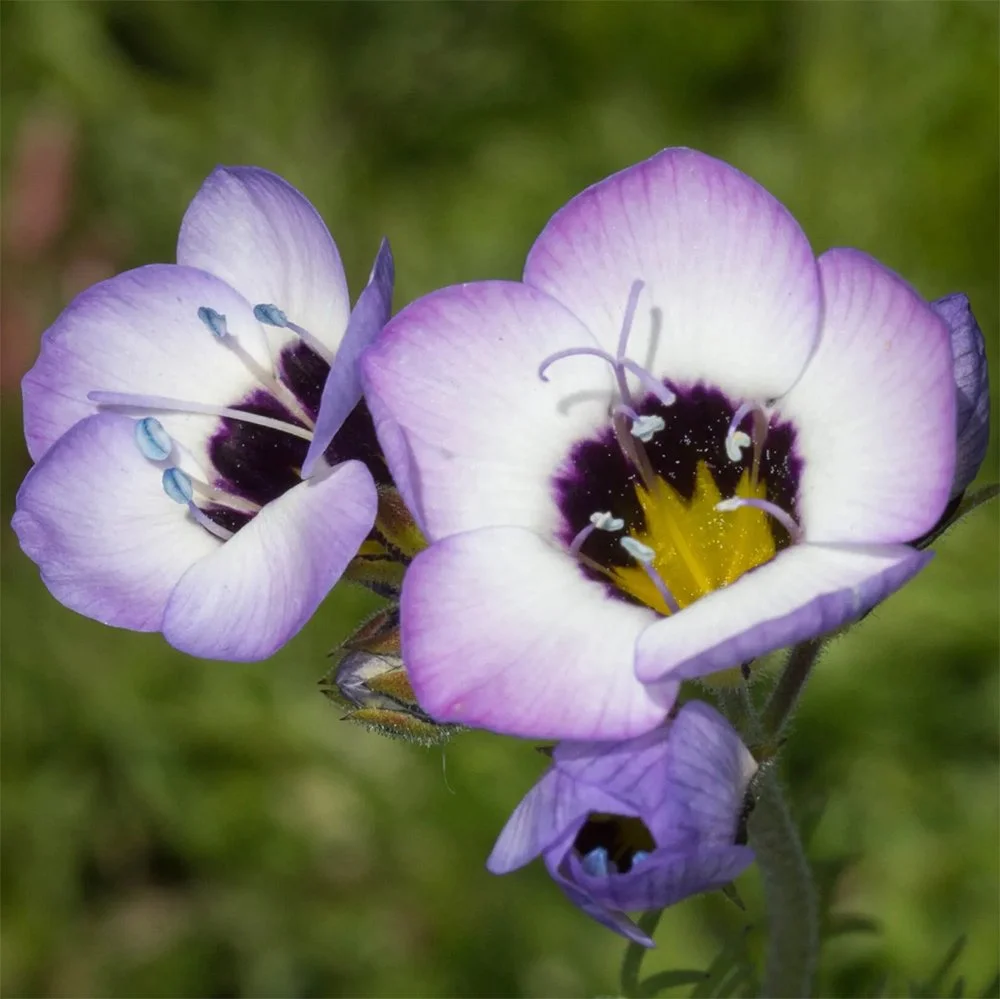
Lavender Blooms with a Golden Eye
Gilia tricolor, commonly known as Bird’s-Eye Gilia or Tricolor Gilia, is a charming annual wildflower native to California. Growing about 8–24 inches tall, it produces delicate lavender to violet-blue flowers with dark purple centers and golden-yellow throats from spring into early summer. The blooms attract native bees, butterflies, and other pollinators, making it an excellent choice for wildflower gardens, pollinator plantings, borders, and naturalized areas. Bird’s-Eye Gilia prefers full sun, well-draining soil, and low to moderate water and is generally grown in USDA Zones 6–10. It performs best in cool to mild weather, around 55–75°F, and can tolerate brief temperatures near 15°F. Sow seeds in fall in mild-winter and Southwestern climates or in spring in colder regions. Easy to grow from seed and beautiful when planted in groups, Bird’s-Eye Gilia is a simple way to add spring color and valuable pollinator habitat to your garden—order seeds now and create your own colorful wildflower display.
THIS LISTING IS FOR A PACK OF APPROX. 6,250 SEEDS (1/10 OZ.)
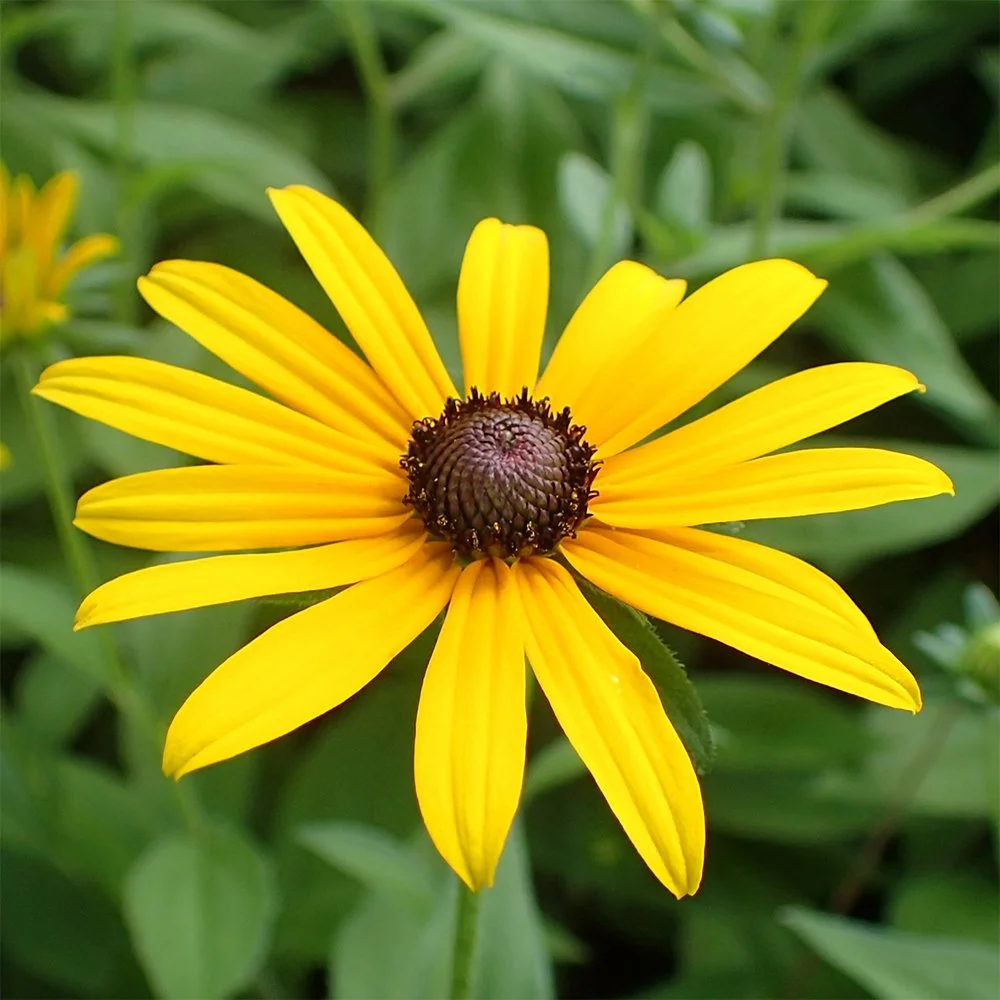
Cottage Garden Sunshine
Rudbeckia hirta, commonly known as Black-Eyed Susan, is a cheerful North American wildflower prized for its golden-yellow, daisy-like flowers surrounding dark chocolate-brown centers. Native to central and eastern North America, it grows as an annual, biennial, or short-lived perennial, depending on climate and growing conditions. Mature plants typically reach approximately 2–4 feet tall and 1–2 feet wide, producing colorful blooms from summer into fall. The flowers attract bees and butterflies, while seedheads left standing provide food for goldfinches and other seed-eating birds.
Black-Eyed Susan thrives in full sun and well-draining soil, tolerating light shade and occasional drought once established. Water regularly during establishment, then supplement during prolonged dry spells for better flowering. Generally suited to USDA Zones 3–8, overwintering plants are cold hardy, with Zone 3 corresponding to average annual extreme minimum temperatures of approximately −40 to −30°F. It tolerates warm summers, but in hot Southwest gardens, provide afternoon shade and additional moisture during extreme heat.
Sow seeds in fall or spring on prepared soil, pressing them gently into the surface and covering only very lightly. Keep the seedbed consistently moist during germination. For indoor starting, daytime temperatures around 65–70°F are suitable, with seedlings often emerging in approximately two weeks. Many seed lots germinate without cold treatment; follow your packet’s instructions. Remove spent flowers to encourage continued blooming, or leave some seedheads to support birds and allow natural reseeding
THIS LISTING IS FOR A PACK OF APPROX. 10,000 SEEDS (1/10 OZ.)
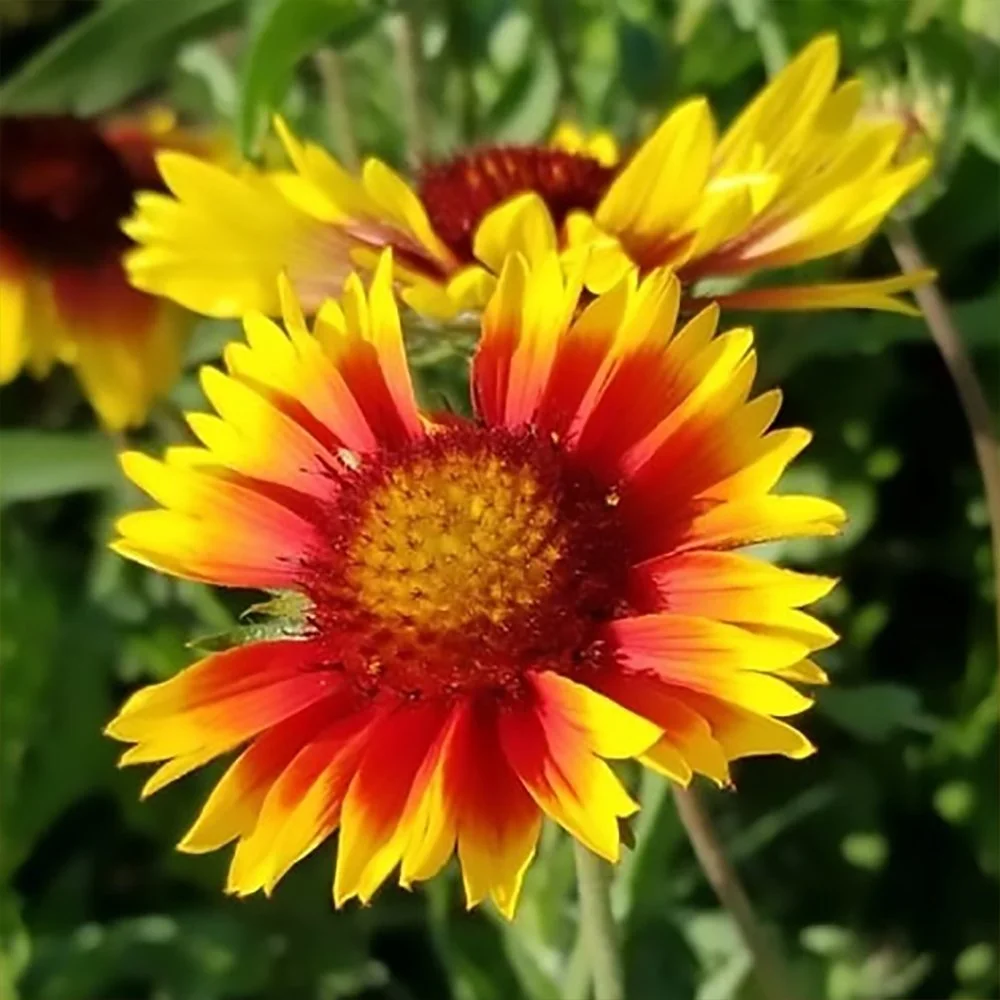
Grow a Garden of Red & Gold
Gaillardia aristata, commonly known as Blanketflower or Common Blanketflower, is a colorful perennial wildflower native to western North America. Growing approximately 1–3 feet tall, it produces cheerful, daisy-like flowers in shades of red, orange, and golden yellow from late spring through summer. Blanketflower thrives in full sun, well-draining soil, and low-water conditions, making it an excellent choice for xeriscapes, wildflower gardens, borders, and pollinator plantings. Hardy in approximately USDA Zones 3–9, established plants can tolerate winter temperatures around -30°F and handle summer heat and drought once established. Its nectar-rich blooms attract native bees, butterflies, and other beneficial pollinators. Sow seeds in fall for natural winter exposure or in spring; cold stratification often improves germination. Easy to grow, drought-tolerant, and wonderfully colorful, Blanketflower provides long-lasting blooms while supporting pollinators—order seeds now and add this hardy native wildflower to your garden.
THIS LISTING IS FOR A PACK OF APPROX. 1000 SEEDS (1/10 OZ.)
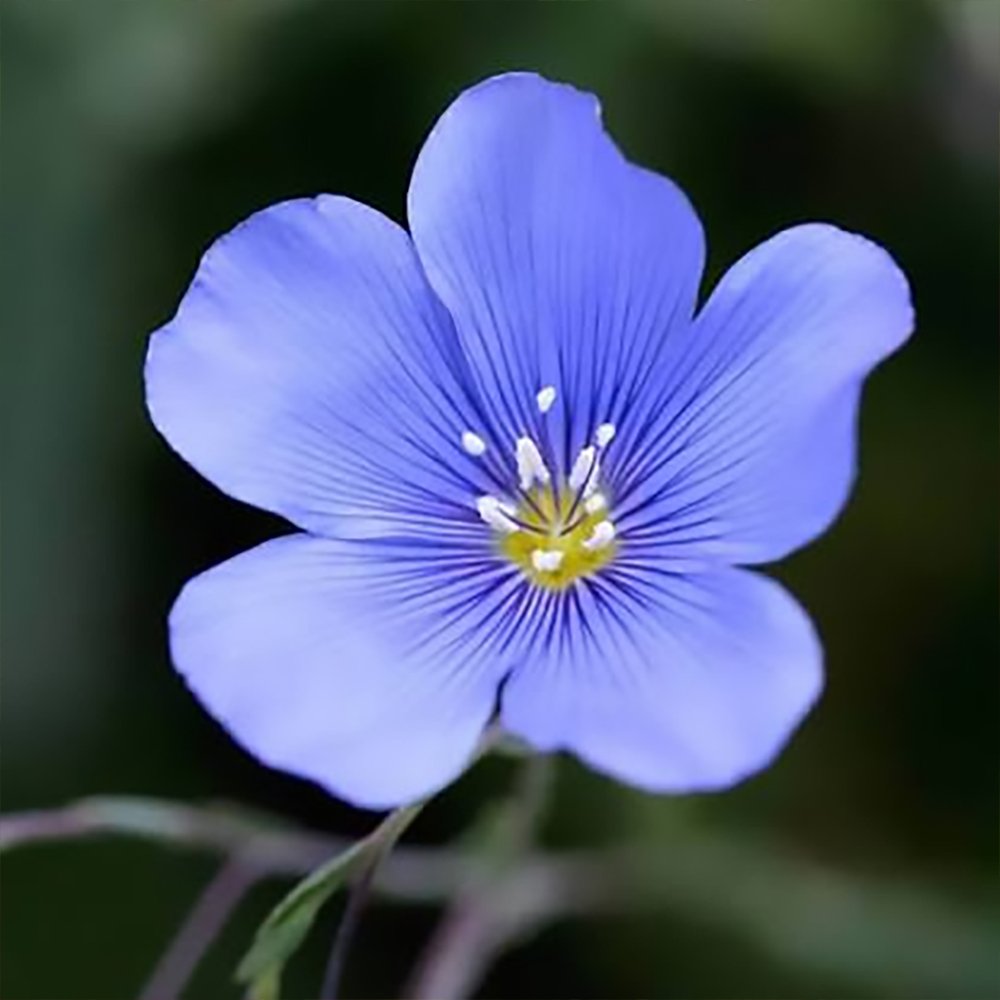
Native Blue for Sunny Gardens
Linum lewisii, commonly known as Lewis Flax, Blue Flax, or Prairie Flax, is a graceful perennial wildflower native to western North America. Growing approximately 1–2½ feet tall, it produces delicate sky-blue, five-petaled flowers on slender stems from late spring into summer. Lewis Flax thrives in full sun, well-draining soil, and low-water conditions, making it an excellent choice for wildflower gardens, xeriscapes, meadows, borders, and pollinator plantings. Hardy in approximately USDA Zones 3–9, established plants can tolerate temperatures around -30°F and are drought-tolerant once established. The flowers attract native bees, butterflies, and other beneficial pollinators. You can sow seeds outdoors in fall for natural winter exposure or in early spring, and cold stratification may improve germination. Easy to grow from seed and beautifully water-wise, Lewis Flax adds a soft sweep of true blue to sunny gardens—order seeds now and bring this western native wildflower home.
THIS LISTING IS FOR A PACK OF APPROX. 1800 SEEDS (1/10 OZ.)

Ridiculously Ribbed
Stenocactus crispatus, commonly known as Brain Cactus, is a distinctive, slow-growing Mexican cactus prized for its deeply undulating, brain-like ribs and sculptural form. Native to north-central Mexico, including Hidalgo, Querétaro, Veracruz, Oaxaca, and Puebla, it grows naturally in dry shrubland and desert habitats. Mature plants typically reach 4–8 inches tall and 3–4 inches wide, making them excellent container and rock-garden plants. It thrives in bright light, excellent drainage, and warm conditions around 90–100°F when kept dry and well-ventilated. During winter, keep it dry; established plants can tolerate brief cold around 25–30°F.
THIS LISTING IS FOR A YOUNG BARE-ROOT SPECIMEN. Plant in well-draining soil and watch it grow!
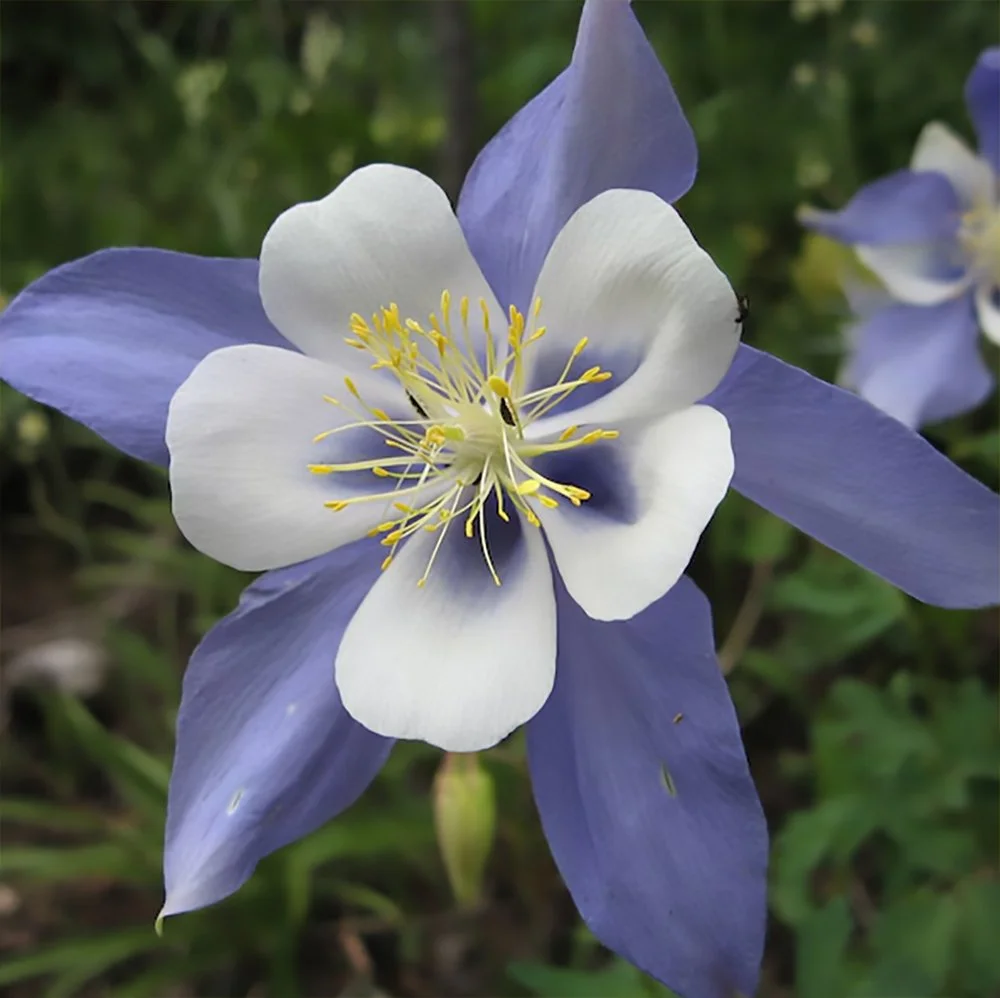
Alpine-Inspired Elegance
Rudbeckia hirta, commonly known as Black-Eyed Susan, is a cheerful North American wildflower prized for its golden-yellow, daisy-like flowers surrounding dark chocolate-brown centers. Native to central and eastern North America, it grows as an annual, biennial, or short-lived perennial, depending on climate and growing conditions. Mature plants typically reach approximately 2–4 feet tall and 1–2 feet wide, producing colorful blooms from summer into fall. The flowers attract bees and butterflies, while seedheads left standing provide food for goldfinches and other seed-eating birds.
Black-Eyed Susan thrives in full sun and well-draining soil, tolerating light shade and occasional drought once established. Water regularly during establishment, then supplement during prolonged dry spells for better flowering. Generally suited to USDA Zones 3–8, overwintering plants are cold hardy, with Zone 3 corresponding to average annual extreme minimum temperatures of approximately −40 to −30°F. It tolerates warm summers, but in hot Southwest gardens, provide afternoon shade and additional moisture during extreme heat.
Sow seeds in fall or spring on prepared soil, pressing them gently into the surface and covering only very lightly. Keep the seedbed consistently moist during germination. For indoor starting, daytime temperatures around 65–70°F are suitable, with seedlings often emerging in approximately two weeks. Many seed lots germinate without cold treatment; follow your packet’s instructions. Remove spent flowers to encourage continued blooming, or leave some seedheads to support birds and allow natural reseeding
THIS LISTING IS FOR A PACK OF APPROX. 10,000 SEEDS (1/10 OZ.)
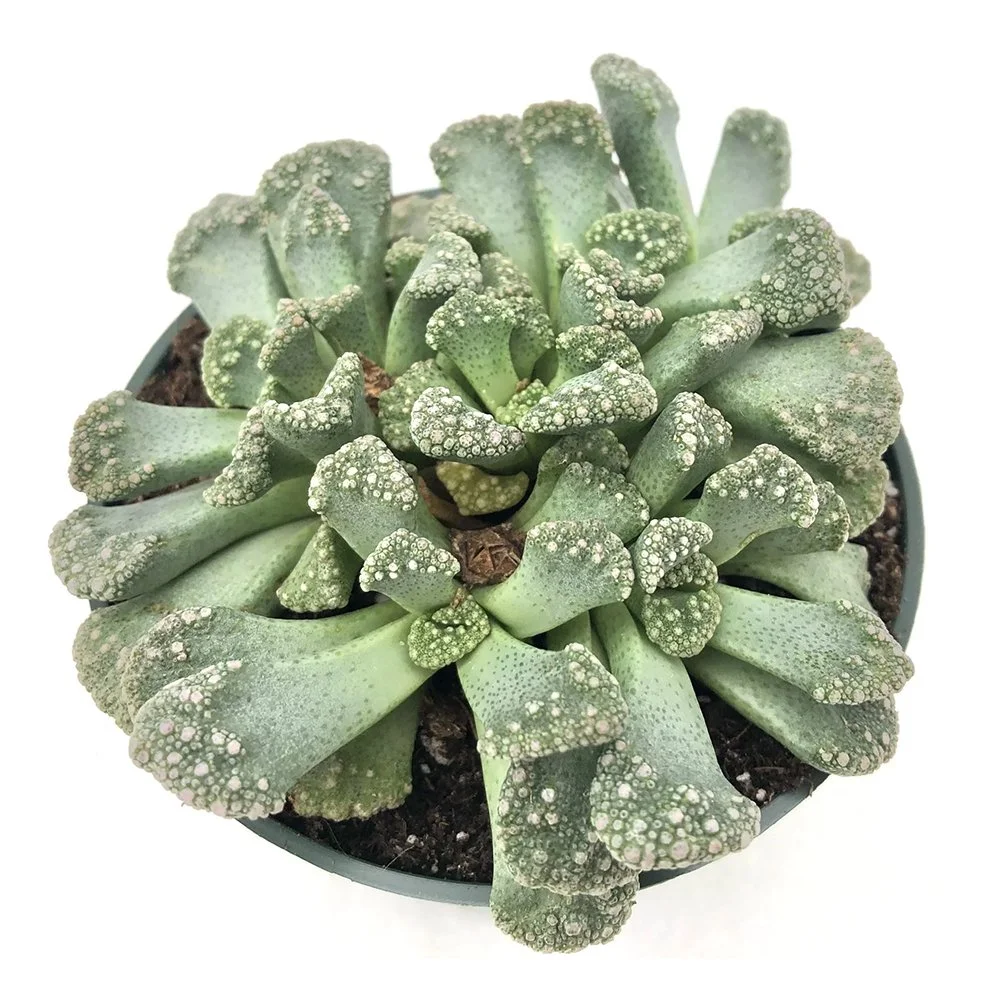
Nature’s Living Stone
Titanopsis calcarea, commonly known as Concrete Leaf, Limestone Rock Plant, or Jewel Plant, is a fascinating miniature succulent native to the dry, rocky regions of South Africa and Namibia. A master of camouflage, its thick, spoon-shaped leaves are covered with distinctive white, gray, tan, and reddish bumps that allow the plant to blend into the limestone and gravel of its natural habitat. It forms compact rosettes, typically reaching about 2–3 inches tall and 3–5 inches wide, making it an excellent choice for small pots, rock gardens, and specialty succulent collections. Bright yellow to golden-yellow, daisy-like flowers typically appear during the cooler months.
Titanopsis calcarea can be grown indoors or outdoors and prefers bright light to full sun. Indoors, place it near a sunny window or under a grow light. Outdoors, gradually acclimate the plant to intense sunlight, especially in very hot climates. Grow it in exceptionally fast-draining, gritty soil and water sparingly, allowing the soil to dry thoroughly between waterings. Avoid prolonged wet conditions, particularly during hot weather. Surprisingly cold tolerant when kept dry, Titanopsis calcarea is generally suited to USDA Zones 9b–11 and can tolerate brief temperatures around 25–30°F under dry conditions. In colder climates, it is best grown in a container that can be brought indoors or protected from hard freezes.
Specialty Status: High — A distinctive collector succulent prized for its remarkable stone-like camouflage, highly textured leaves, compact size, and unusual appearance. It is especially sought after by collectors of unusual and mimicry succulents.
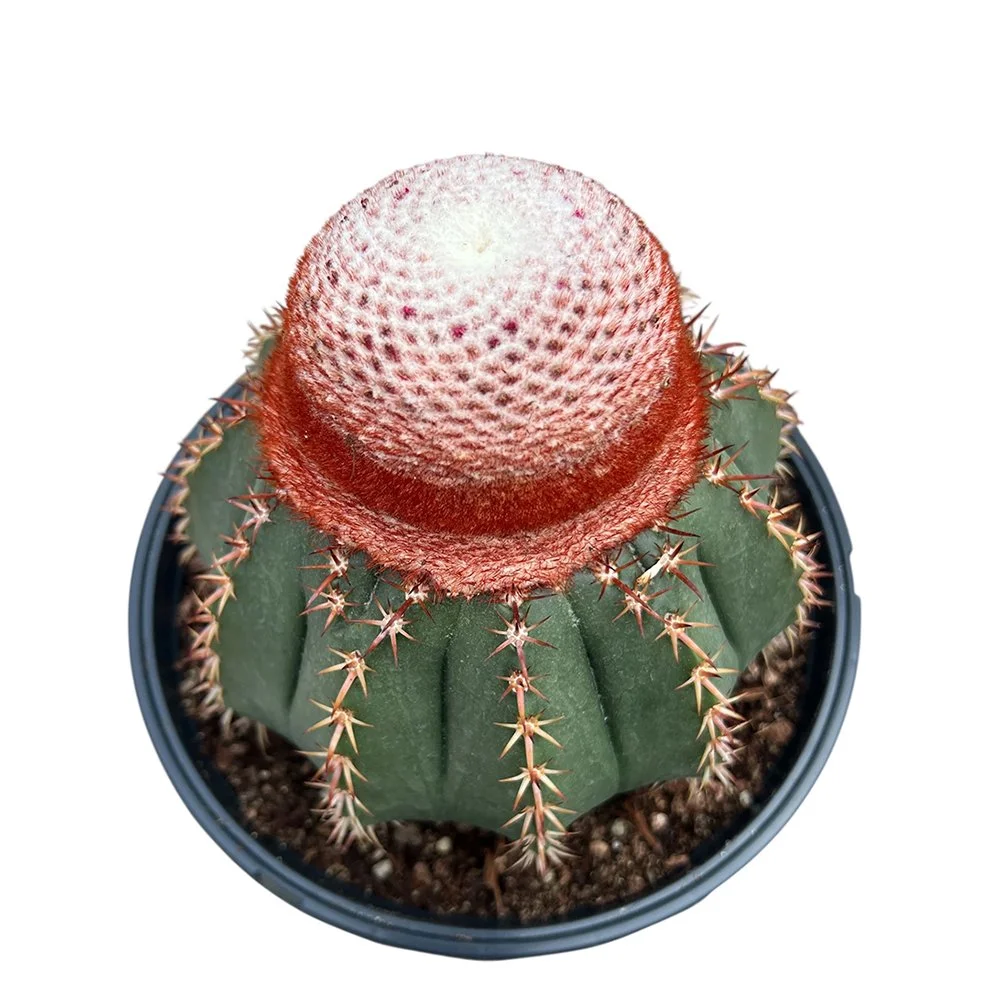
Brazil’s Rare Cephalium Cactus
Melocactus conoideus, commonly known as the Cone-Like Turk’s Head Cactus, is an exceptionally distinctive and highly collectible cactus native to Bahia, Brazil. It develops a squat, rounded body with pronounced ribs and stout gray-brown spines, typically reaching about 4–7 inches across. At maturity, it produces its most remarkable feature—a dense, bristly cephalium at the crown, from which small pink to magenta flowers and colorful fruits emerge.
Native to rocky, quartz-gravel habitats, this cactus prefers bright light to full sun, very fast-draining mineral-rich soil, and warm conditions. Water carefully during active growth and allow the soil to dry between waterings. Keep considerably drier in winter and protect from prolonged cold and frost. Best suited to approximately USDA Zones 10b–11 outdoors; in colder zones, grow it as a container plant that can be protected during cool weather. Aim to keep it above about 40°F, especially mature plants with a cephalium.
Conservation Status: Critically Endangered (CR) — Melocactus conoideus has an extremely restricted natural range and is threatened by habitat loss and disturbance. It is also listed under CITES Appendix I. Nursery-propagated plants help reduce pressure on remaining wild populations.
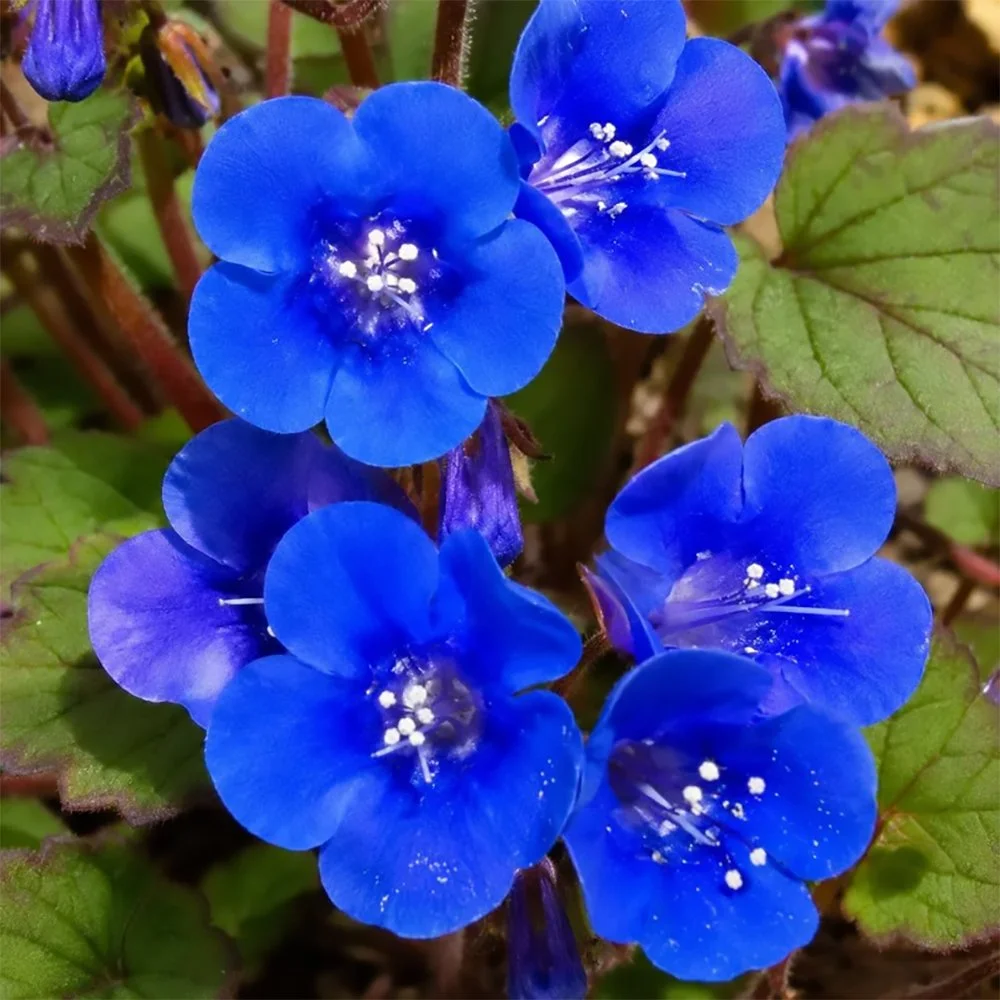
A Burst of Cobalt Blue
Phacelia campanularia, commonly known as Desert Bluebells or California Bluebells, is a striking annual wildflower native to the deserts of Southern California. Growing approximately 6–18 inches tall, it produces brilliant deep cobalt-blue, bell-shaped flowers above softly textured gray-green foliage in late winter and spring. Desert Bluebells thrive in full sun, well-draining sandy or gravelly soil, and low-water conditions, making them an excellent choice for desert gardens, xeriscapes, containers, borders, and pollinator plantings. Generally grown in USDA Zones 7–11, they perform best in cool to mild weather (around 50–75°F) and can tolerate brief light frosts. The vivid flowers attract native bees and other beneficial pollinators. Sow seeds in fall in mild-winter and Southwestern climates or in early spring in colder areas. Easy to grow from seed and spectacular when planted in groups, Desert Bluebells create an unforgettable sweep of brilliant blue—order seeds now and bring a burst of desert spring color to your garden.
THIS LISTING IS FOR A PACK OF APPROX. 5000 SEEDS (1/10 OZ.)
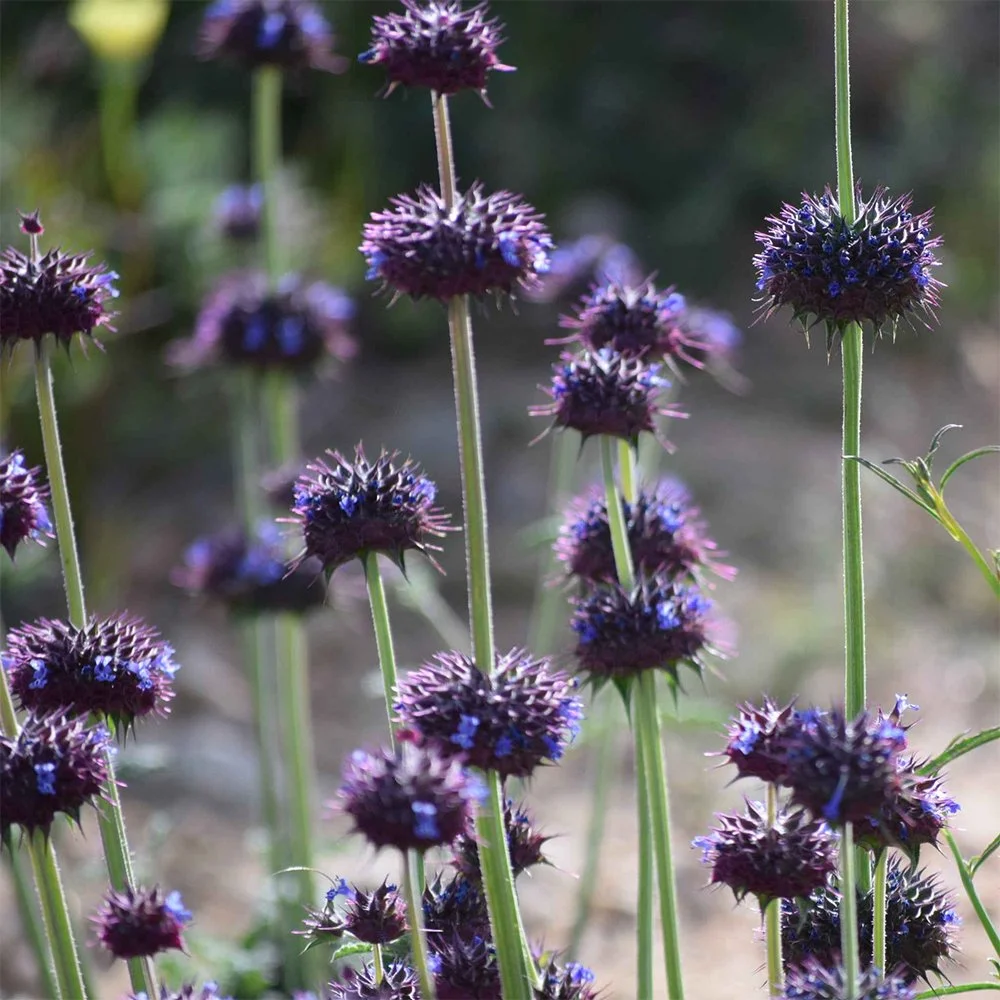
A Little Blue, a Lot of Buzz
Salvia columbariae, commonly known as Desert Chia, Golden Chia, or Chia Sage, is an annual wildflower native to the southwestern United States and northwestern Mexico. It produces textured green leaves and upright flower stalks topped with rounded clusters of tiny blue to violet flowers. Plants typically reach approximately 6–24 inches tall and 12 inches wide, with size depending on rainfall and growing conditions. Spring flowers attract bees and butterflies, while the seeds provide food for birds and other wildlife.
Grow Desert Chia outdoors in full sun and sandy or gravelly, well-draining soil. Its low water needs make it an excellent choice for native gardens, wildflower borders, and desert landscapes. Water gently during germination and establishment, then reduce watering as plants develop. This is a seasonal wildflower that completes its life cycle rather than remaining green through intense summer heat.
Sow seeds in fall to early winter in mild desert climates, or in spring in colder regions. Scatter over prepared soil, cover very lightly, and keep the seedbed moist until seedlings establish. Check the seed instructions for any recommended pretreatment, as requirements can vary with seed origin. As an annual, Desert Chia can be grown across multiple USDA zones when planting is timed to local conditions; perennial hardiness zones do not describe its suitability well.
THIS LISTING IS FOR A PACK OF APPROX. 2700 SEEDS (1/10 OZ.)
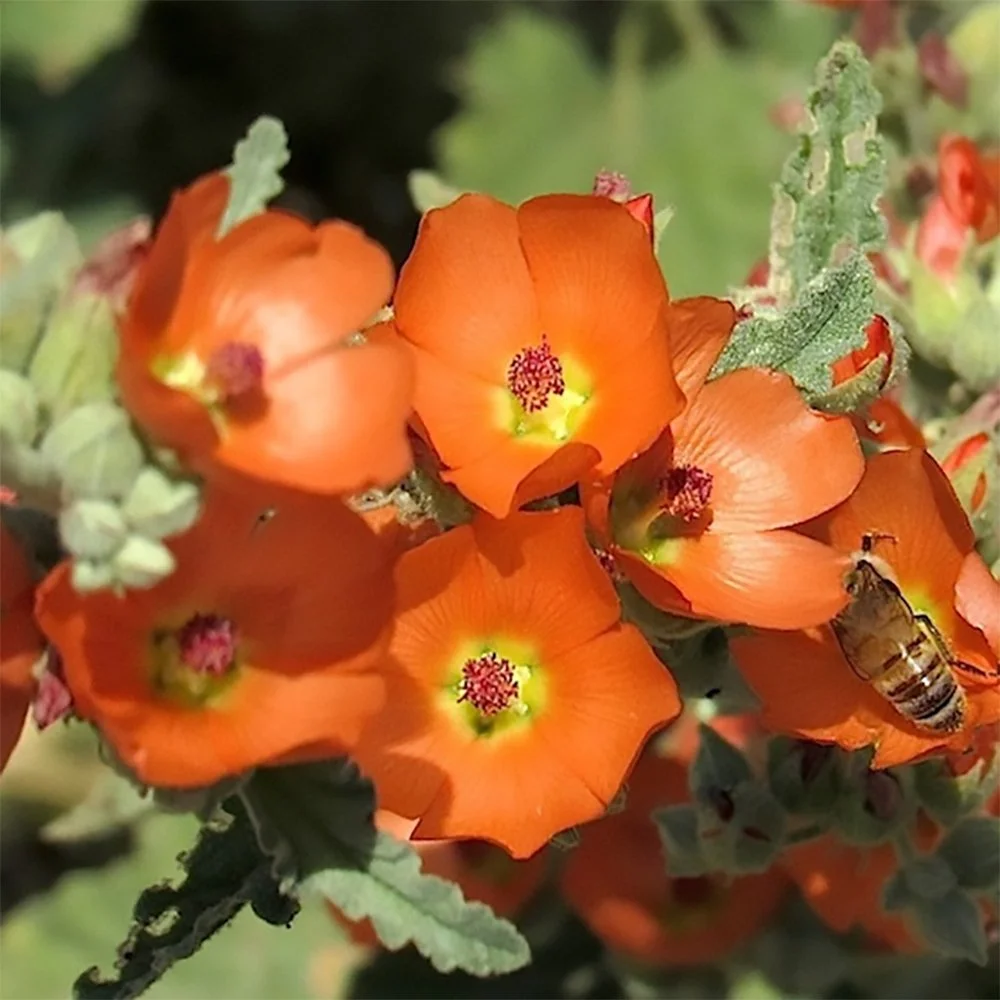
Apricot Blooms for Water-wise Gardens
Sphaeralcea ambigua, commonly known as Desert Globemallow or Apricot Mallow, is a colorful perennial wildflower native to the deserts of the southwestern United States and northern Mexico. Growing approximately 2–4 feet tall and wide, it produces abundant orange to apricot, cup-shaped flowers above softly textured gray-green foliage, with its heaviest bloom typically occurring in spring. Extremely drought tolerant once established, Desert Globemallow thrives in full sun, well-draining soil, and low-water conditions, making it an excellent choice for xeriscapes, native gardens, pollinator plantings, and Southwest landscapes. Suitable for approximately USDA Zones 8–11, established plants can tolerate temperatures down to about 10–15°F and handle intense summer heat. The flowers attract native bees, butterflies, and other pollinators. Sow seeds in fall or early spring in warm desert climates. Easy to grow from seed and beautifully adapted to dry conditions, Desert Globemallow adds long-lasting color with very little water—order seeds now and bring a true Southwest native to your garden.
THIS LISTING IS FOR A PACK OF APPROX. 3100 SEEDS (1/10 OZ.)
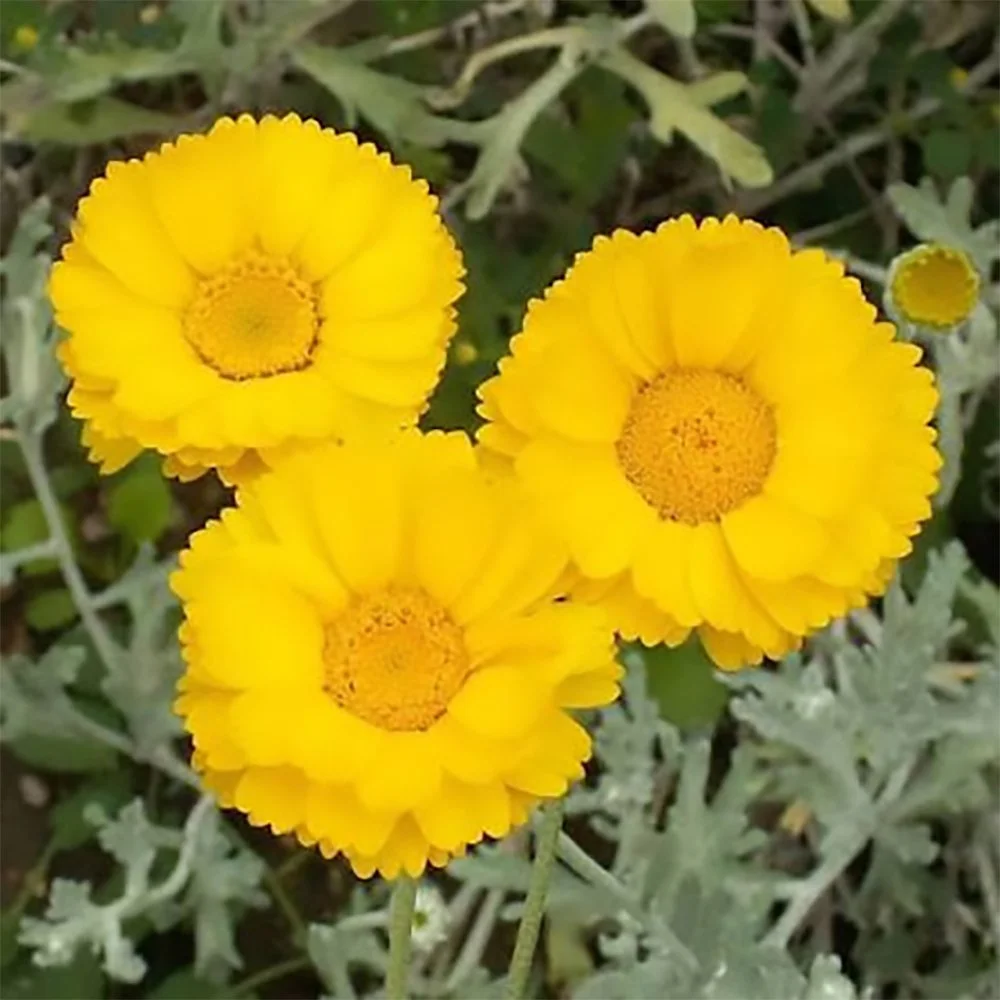
Sunshine for the Desert Garden
Baileya multiradiata, commonly known as Desert Marigold, is a cheerful, low-water wildflower native to the deserts of the southwestern United States and northern Mexico. Growing approximately 12–24 inches tall and wide, it produces bright golden-yellow, daisy-like flowers held above soft, silvery-gray foliage, often blooming from spring through fall when conditions are favorable. Desert Marigold thrives in full sun, well-draining sandy or gravelly soil, and hot, dry conditions, making it an excellent choice for xeriscapes, rock gardens, native landscapes, and pollinator gardens. Generally suited to USDA Zones 7–11, established plants tolerate temperatures down to approximately 10–15°F and handle intense summer heat with very little supplemental water. The flowers attract native bees, butterflies, and other beneficial pollinators. Sow seeds in fall or early spring in warm desert climates. Easy to grow from seed and exceptionally drought tolerant, Desert Marigold brings months of sunny color to water-wise gardens—order seeds now and add this Southwest favorite to your landscape.
THIS LISTING IS FOR A PACK OF APPROX. 6000 SEEDS (1/10 OZ.)
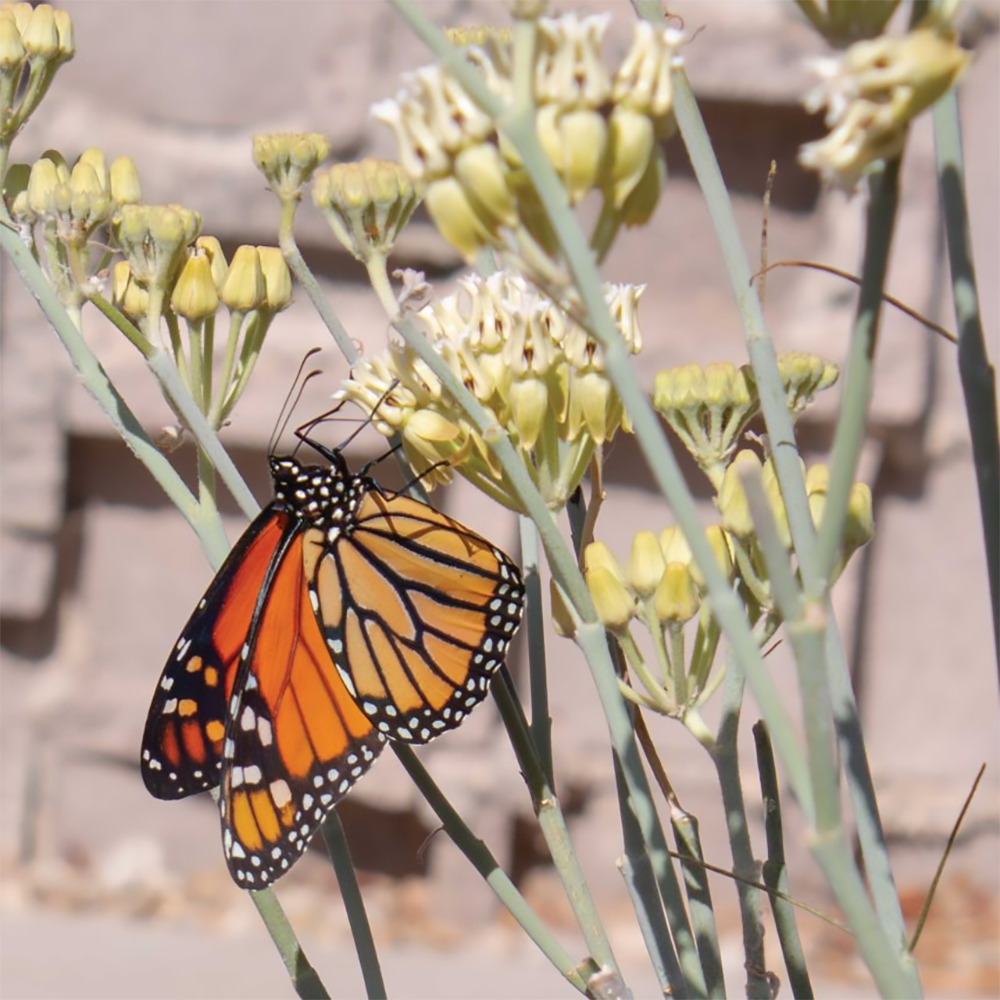
Sculptural Beauty for Water-Wise Gardens
Desert Milkweed (Asclepias subulata), also known as Rush Milkweed, is a distinctive Southwestern native perennial prized for its upright, nearly leafless blue-green stems and clusters of creamy white to pale-yellow flowers. Native to the Sonoran and Mojave deserts of Arizona, California, Nevada, Baja California, and northwestern Mexico, this heat-loving milkweed is exceptionally well adapted to hot, dry landscapes. Mature plants typically reach about 3–5 feet tall and 2–3 feet wide, forming an airy, sculptural clump that works beautifully in xeriscapes, native gardens, pollinator gardens, and alongside cacti, agaves, and other low-water plants. Hardy in USDA Zones 9–11, Desert Milkweed thrives in full sun and well-drained sandy, gravelly, or rocky soil and tolerates extreme summer heat and temperatures around 25°F to 115°F or higher once established. It requires little supplemental water after establishment and should not be kept consistently wet. Desert Milkweed is an important host plant for monarch and queen butterfly caterpillars, while its flowers provide nectar for butterflies, bees, and other pollinators.
Milkweed contains toxic cardiac glycosides and should be kept away from pets, livestock, and children.
THIS LISTING IS FOR A PACKET OF 25 SEEDS.
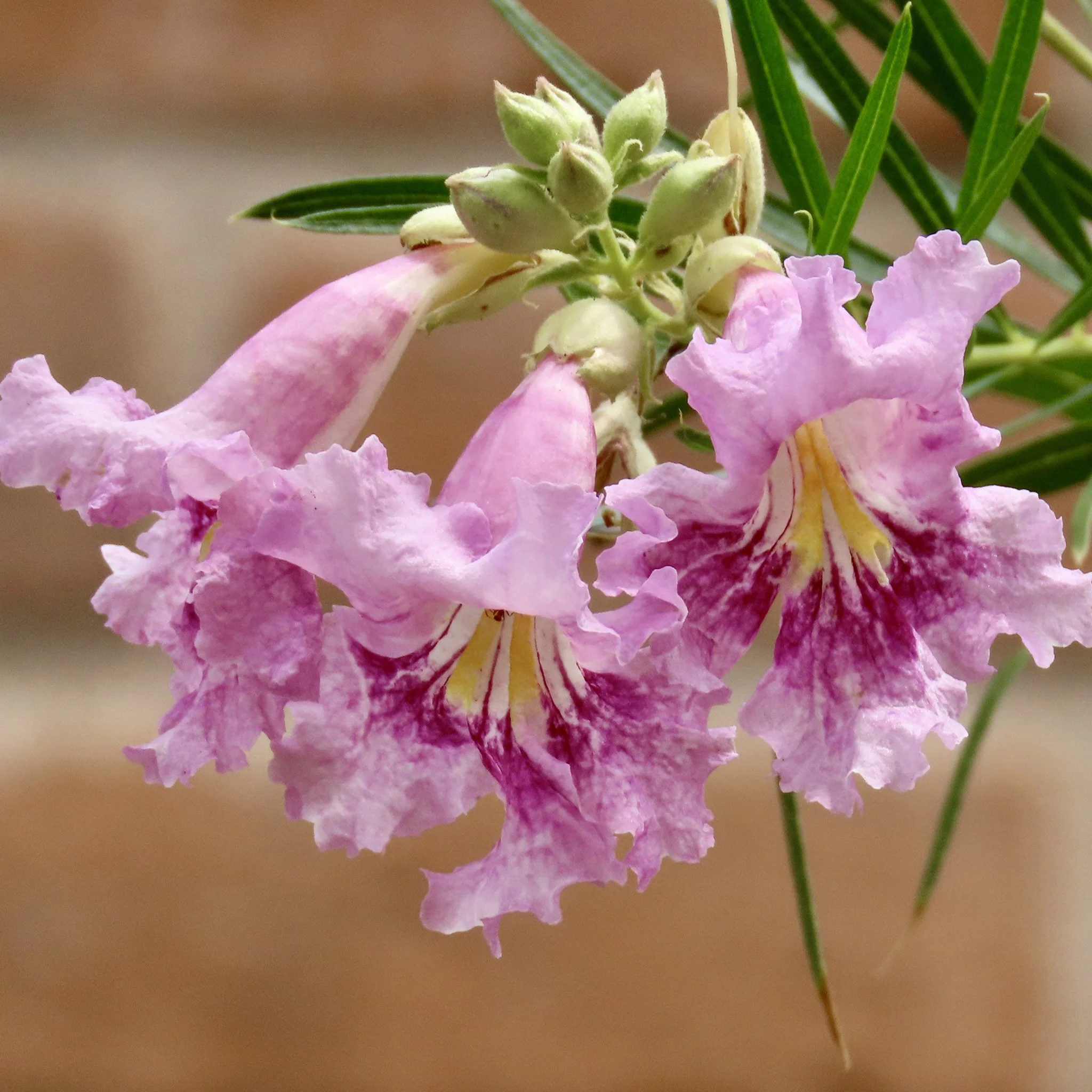
Nectar-Rich Blooms for Hummingbirds
Chilopsis linearis, commonly known as Desert Willow, is a beautiful, fast-growing, drought-tolerant tree native to the Southwestern United States and northern Mexico. Despite its willow-like foliage, it is not a true willow. It produces long, narrow leaves and spectacular trumpet-shaped flowers in shades of pink, lavender, burgundy, and purple that attract hummingbirds and pollinators. Mature trees typically reach 15–30 feet tall and wide. Once established, it thrives in full sun and tolerates intense desert heat around 105–115°F. Established trees can tolerate winter temperatures near 10–20°F. Provide well-draining soil and water deeply but infrequently. A beautiful choice for Southwestern and water-wise landscapes.
Desert Willows are protected under Arizona Native Plant Law, and wild plants cannot simply be removed or collected without the appropriate authorization.
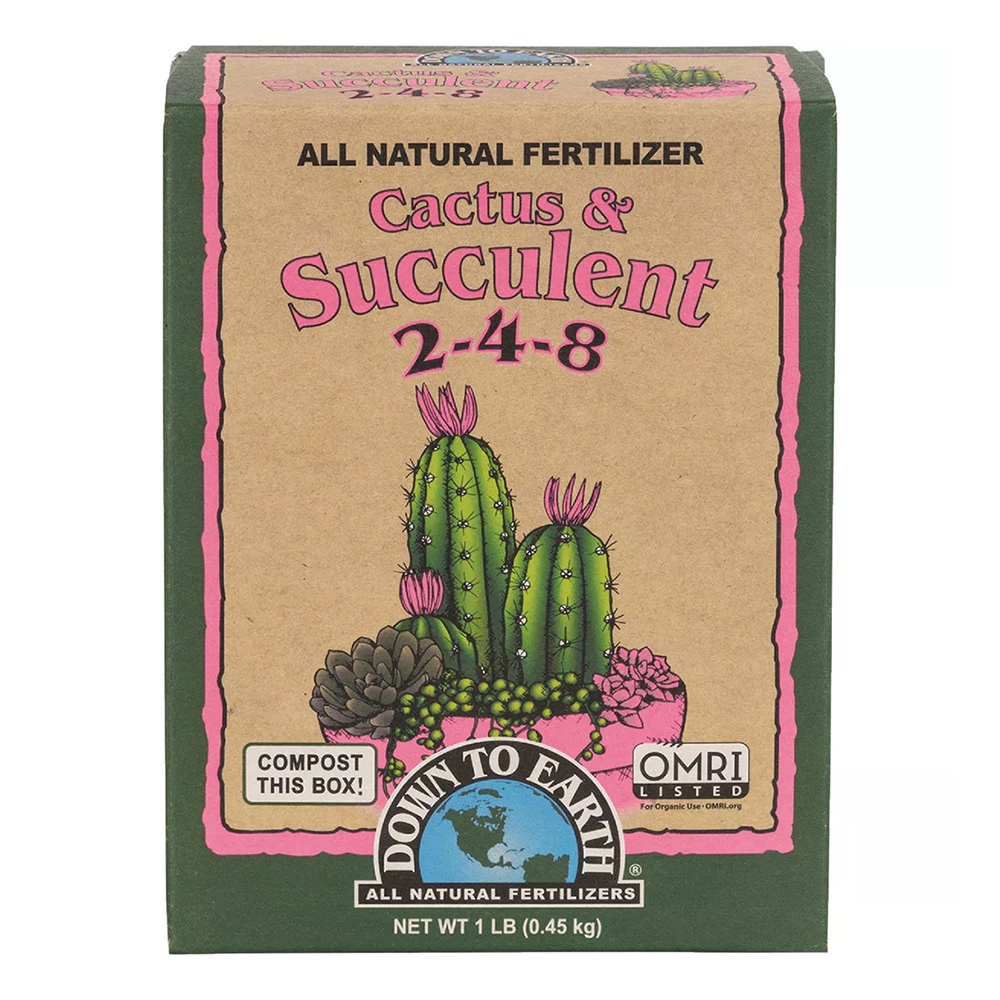
Grow Strong from the Roots Up
Give your cacti and succulents the nutrition they need with this specially formulated plant food designed for plants that thrive in dry, water-scarce environments. Its robust blend of natural and organic ingredients helps improve soil conditions, encourages strong, extensive root systems, and provides extra potassium to support proper water storage and movement—especially important for plants adapted to arid climates. Ideal for cacti, agaves, and succulents of all types, it provides the nutritional foundation plants need for healthy growth and beautiful blooms. OMRI Listed for organic gardening.
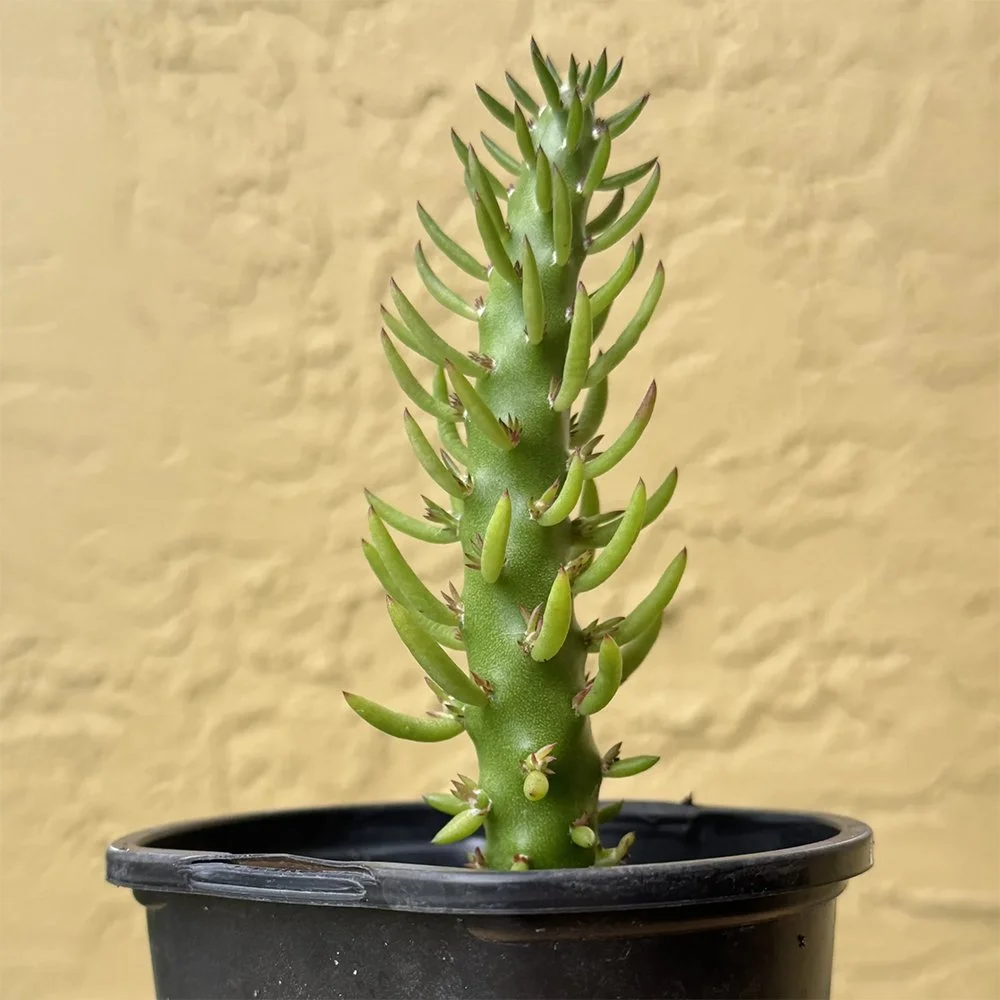
Fast-Growing Desert Accent
Austrocylindropuntia subulata, commonly known as Eve’s Needle, Eve’s Pin, or Eve’s Needle Cactus, is a distinctive columnar cactus native to the Andes of Peru and Bolivia, prized for its upright, branching growth and long, narrow, cylindrical stems. This fast-growing cactus can eventually become a striking specimen, reaching approximately 10–15 feet tall in the landscape, with mature plants developing a tree-like form and producing small reddish-pink flowers followed by elongated fruit. It thrives in hot, dry conditions around 70–100°F, prefers full sun and extremely well-drained soil, and is highly drought-tolerant once established. Water deeply but infrequently during active growth, and let the soil dry completely between waterings, with reduced watering in winter. Protect young plants from prolonged freezing and temperatures around 25–30°F or lower. A great choice for xeriscapes, desert gardens, cactus collections, and anyone looking for a fast-growing architectural plant with a unique silhouette.
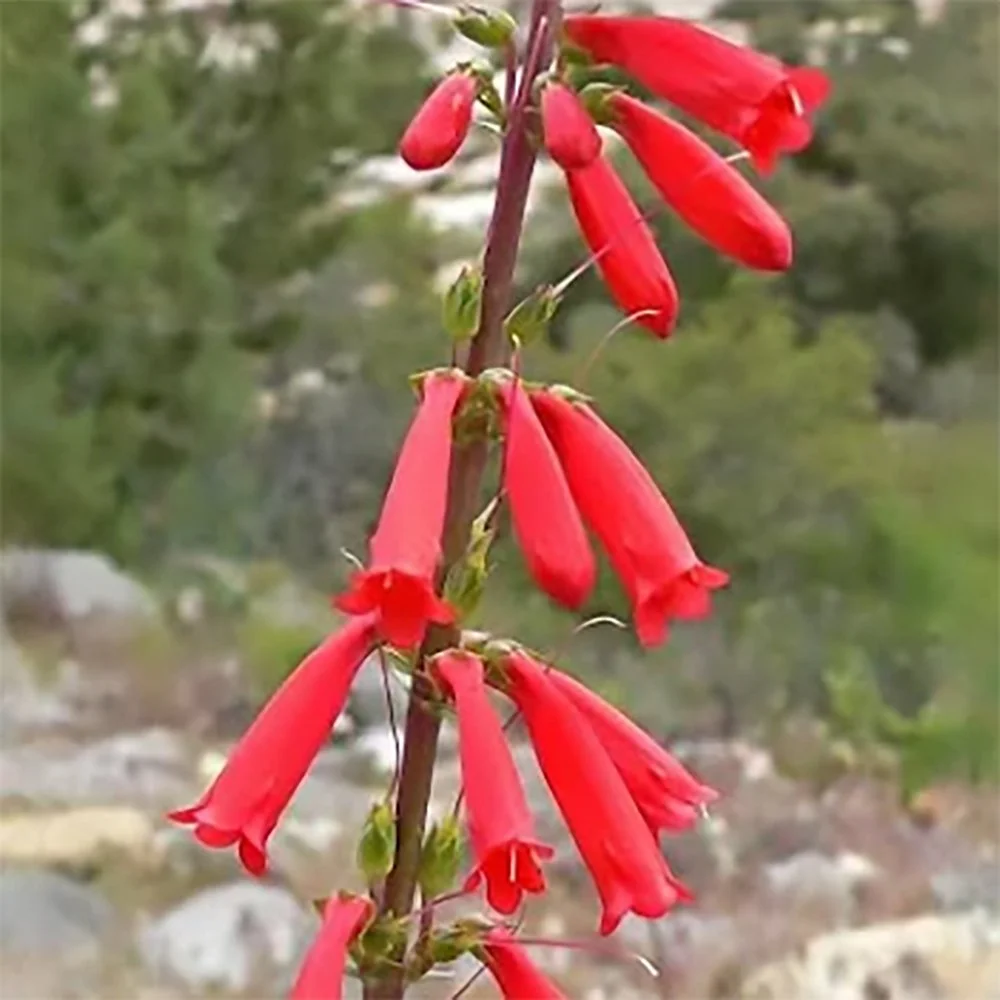
Brilliant Red for Hummingbirds
Penstemon eatonii, commonly known as Firecracker Penstemon or Eaton’s Penstemon, is a striking perennial wildflower native to the western United States. Growing approximately 2–4 feet tall, it produces tall spikes of brilliant scarlet-red, tubular flowers from spring into early summer. Firecracker Penstemon thrives in full sun, well-draining sandy or rocky soil, and low-water conditions, making it an excellent choice for xeriscapes, native gardens, rock gardens, and pollinator plantings. Hardy in approximately USDA Zones 4–9, established plants can tolerate winter temperatures down to around -20°F and are drought-tolerant once established. Its nectar-rich red flowers especially attract hummingbirds while also supporting other native pollinators. Seeds benefit from cold, moist stratification before spring planting or can be sown outdoors in fall for natural winter exposure. Hardy, water-wise, and spectacular in bloom, Firecracker Penstemon adds brilliant red color while inviting hummingbirds to the garden—order seeds now and grow this western native favorite.
THIS LISTING IS FOR A PACK OF APPROX. 3800 SEEDS (1/10 OZ.)
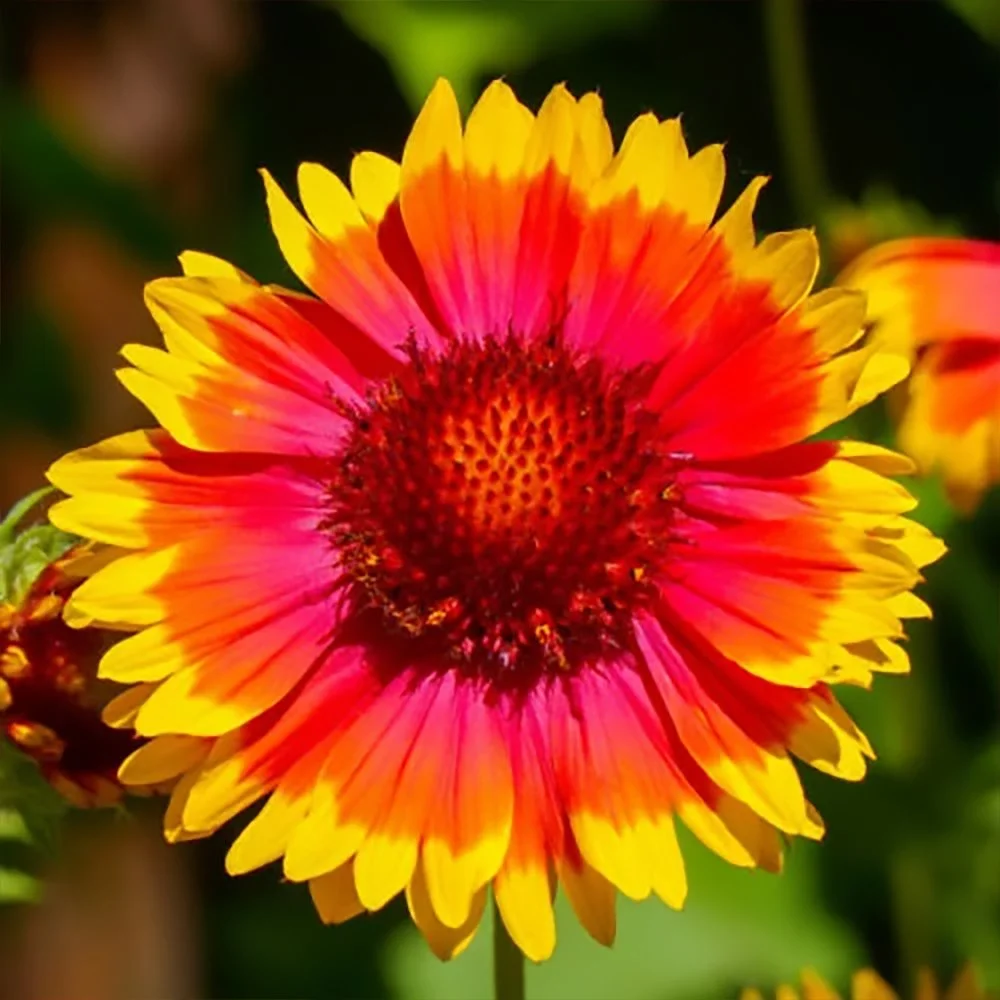
A Blaze of Wildflower Color
Gaillardia pulchella, commonly known as Firewheel, Indian Blanket, or Blanketflower, is a colorful annual wildflower native to much of the central and southern United States and northern Mexico. Growing approximately 12–24 inches tall, it produces bold, daisy-like flowers in brilliant shades of red, orange, and yellow, creating a fiery display from spring into summer. Firewheel thrives in full sun, well-draining soil, and low-water conditions, making it an excellent choice for wildflower gardens, xeriscapes, pollinator plantings, borders, and naturalized areas. Commonly grown across USDA Zones 3–10, this adaptable annual handles heat and drought well once established and can tolerate brief temperatures around 20°F, although young plants should be protected from hard freezes. Its nectar-rich flowers attract native bees, butterflies, and other beneficial pollinators. Sow seeds in fall in mild-winter climates or spring in colder regions. Easy to grow from seed and spectacular when planted in groups, Firewheel delivers months of vivid color while supporting pollinators—order seeds now and bring a blaze of wildflower color to your garden.
THIS LISTING IS FOR A PACK OF APPROX. 1400 SEEDS (1/10 OZ.)
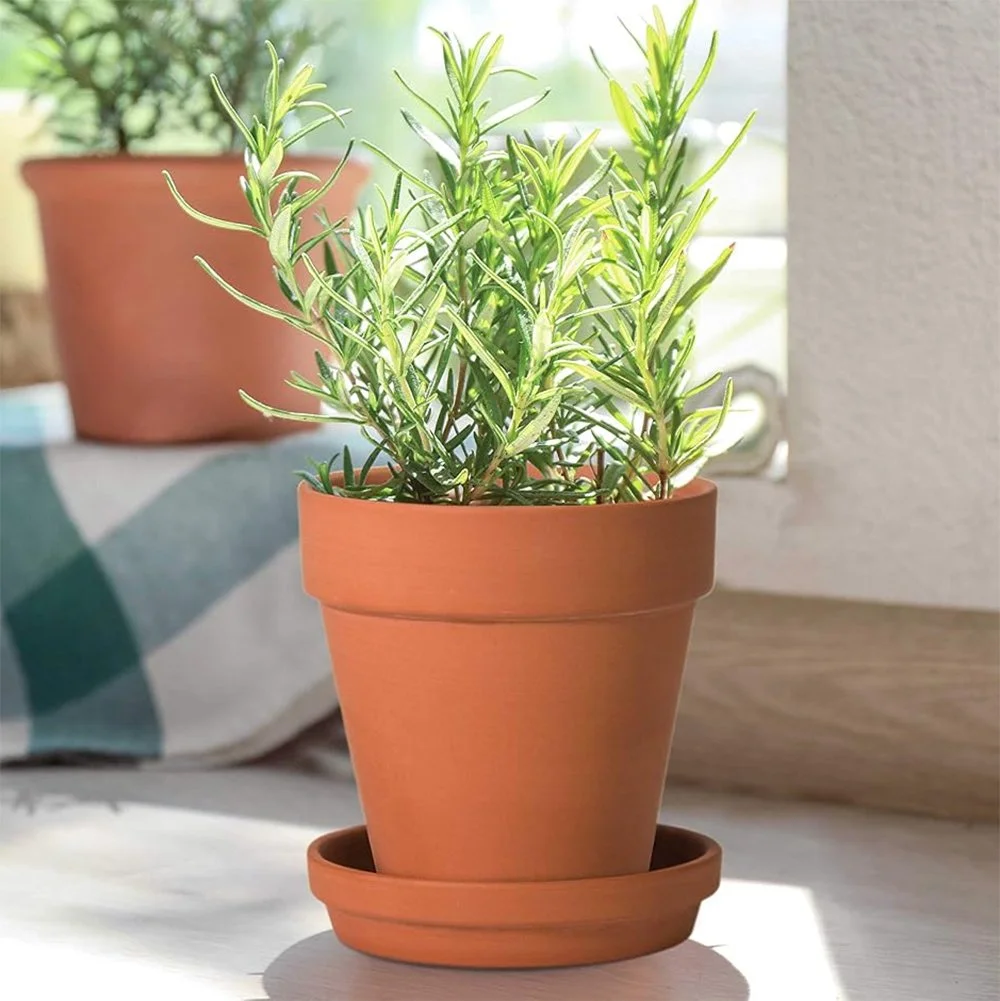
Classic & Simple
Timeless style and made for plants that need good drainage, this 5-Inch Terracotta Planter includes a matching saucer for an easy, finished look. Made from natural terracotta clay, the porous pot allows air and moisture to move through the walls, helping the soil dry more evenly between waterings and promoting healthy roots. A drainage hole in the bottom allows excess water to escape, making it especially well suited for cacti, succulents, herbs, and other small plants. The warm, natural terracotta finish complements just about any décor and looks equally at home on a sunny windowsill, shelf, patio, or garden table. Includes one 5-inch terracotta planter and matching saucer.
Dimensions: Planter is 5.4 inches tall x 5 inches wide (at top); saucer is 4.3 inches wide. PLANT NOT INCLUDED.
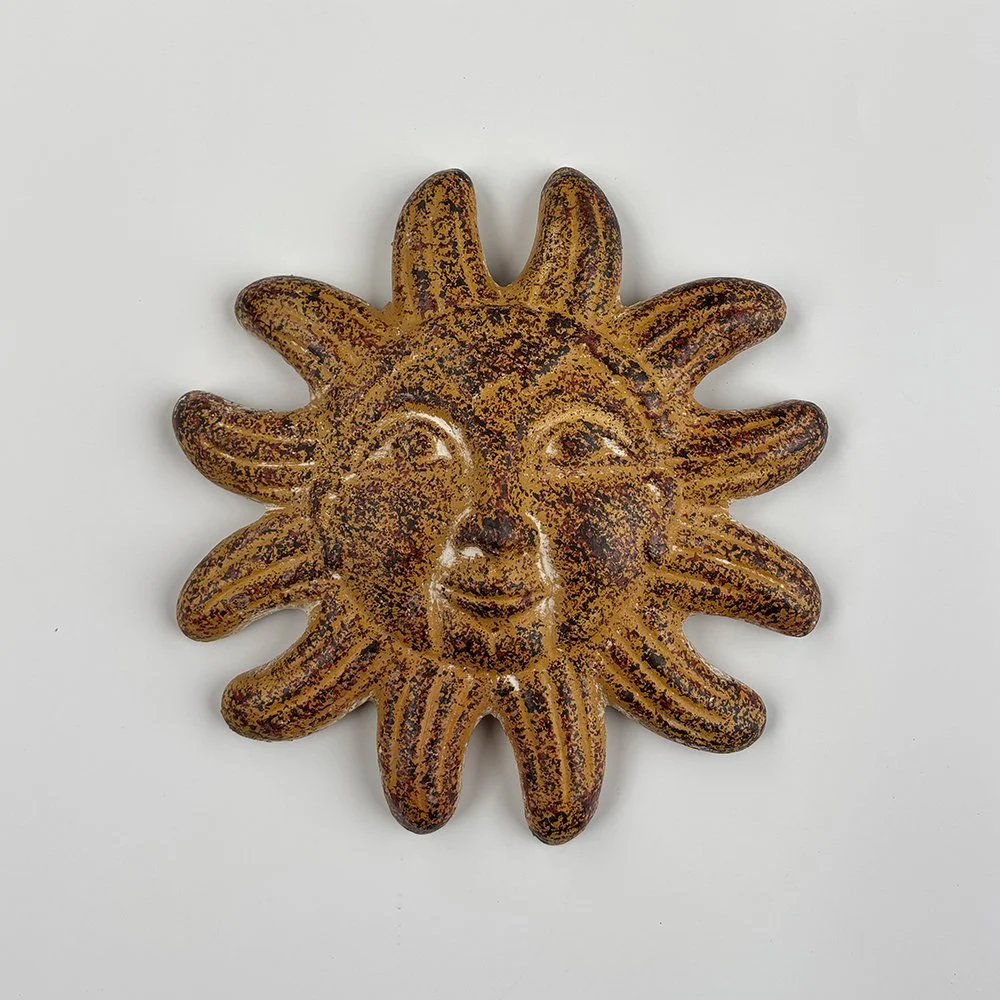
Bring a little sunshine and Southwest color to your favorite space with this beautiful hand-painted Mexican sun wall art. Warm, personality-filled, and richly detailed, this cheerful clay sun makes an eye-catching accent for a patio, courtyard, garden wall, entryway, sunroom, or Southwest-inspired home.
Each sun is individually handmade and painted in Mexico, giving every piece its own unique character. Subtle variations in color, shading, finish, and size are part of the beauty of handmade pottery and ensure that no two suns are exactly alike. Product photos represent the design and colors you will receive.
A hanger is fired directly into the back of the clay for easy display. Before hanging, gently pull the hanger slightly outward so you can place it more easily over a hook or nail. For outdoor display, we recommend applying several coats of a clear exterior-grade protective sealer to help preserve the colorful painted finish from sun and weather. Measures 10 inches in diameter.
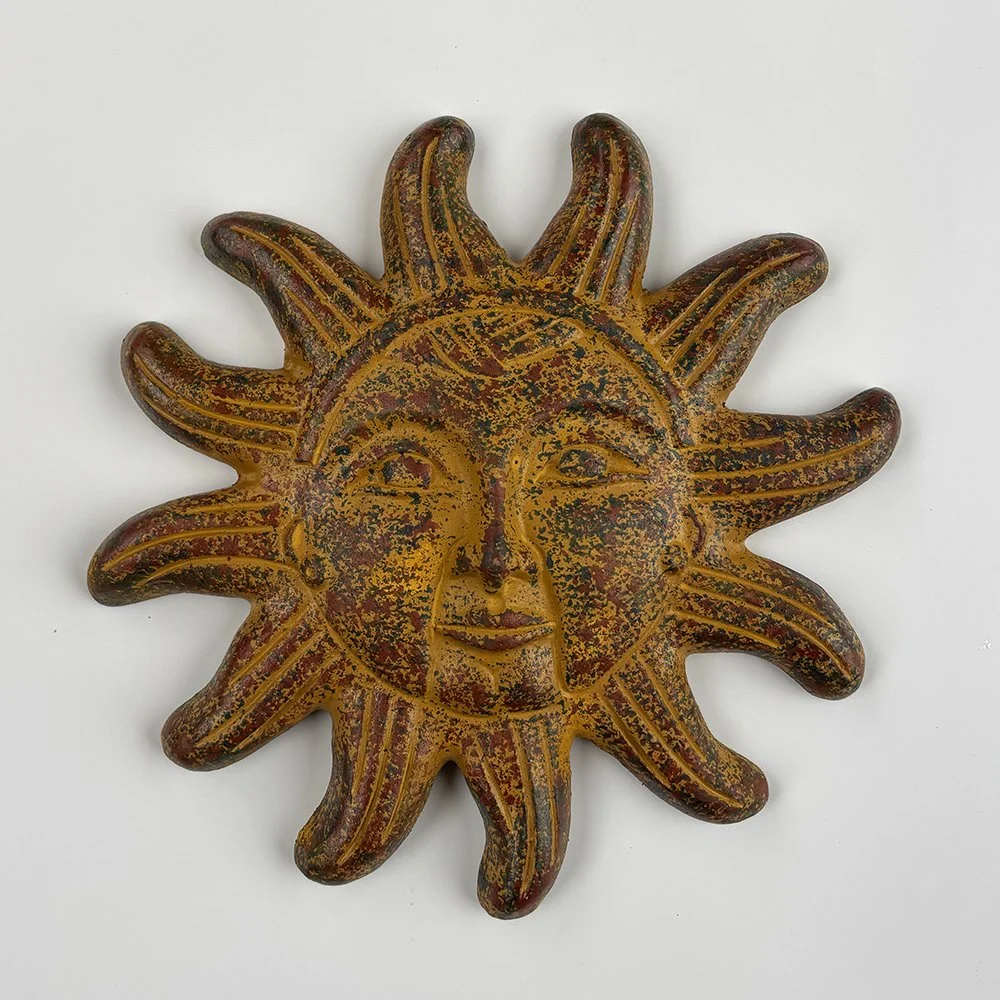
Bring a little sunshine and Southwest color to your favorite space with this beautiful hand-painted Mexican sun wall art. Warm, personality-filled, and richly detailed, this cheerful clay sun makes an eye-catching accent for a patio, courtyard, garden wall, entryway, sunroom, or Southwest-inspired home.
Each sun is individually handmade and painted in Mexico, giving every piece its own unique character. Subtle variations in color, shading, finish, and size are part of the beauty of handmade pottery and ensure that no two suns are exactly alike. Product photos represent the design and colors you will receive.
A hanger is fired directly into the back of the clay for easy display. Before hanging, gently pull the hanger slightly outward so you can place it more easily over a hook or nail. For outdoor display, we recommend applying several coats of a clear exterior-grade protective sealer to help preserve the colorful painted finish from sun and weather. Measures 12 inches in diameter.
Naturally Beautiful Bands
Echinocereus rigidissimus, commonly known as Arizona Rainbow Cactus or Rainbow Hedgehog Cactus, is a compact, slow-growing cactus prized for its colorful bands of tightly arranged spines. Native to southern Arizona, southwestern New Mexico, and parts of Mexico, it grows on rocky slopes and in well-drained grassland habitats. Its rounded body gradually becomes cylindrical, typically reaching approximately 6–12 inches tall and 3–5 inches wide, usually remaining solitary. Pink, reddish, cream, and white spines lie close against the stem, creating its distinctive rainbow appearance. Large pink to magenta flowers with pale throats appear in spring to early summer and attract bees.
Grow outdoors in a rock garden or container, or indoors beside a very sunny window with supplemental grow lighting if needed. Provide bright light and gentle morning sun; in hot Southwest gardens, filtered light or afternoon shade helps protect it during intense summer heat. Introduce stronger sunlight gradually.
Plant in a fast-draining, gritty cactus mix and a container with drainage holes. Water thoroughly, then allow the soil to dry completely before watering again. Reduce watering substantially during winter, as cold, wet soil can cause rot. For conservative outdoor placement, USDA Zones 9–11 are suitable; established plants may tolerate brief temperatures near 20°F when kept dry, but protect young plants and containers from hard freezes. Add this petite desert jewel to your collection for colorful texture and spectacular seasonal blooms!